Creating Community in Montessori Toddler Environments
Discover how Montessori builds toddler communities where belonging, growth, and meaningful connection are nurtured every day.
In Montessori education, we emphasize community, not just as an abstract concept, but as a lived daily experience. From the very beginning of life, we emphasize carefully prepared environments that foster a deep sense of belonging and connection.
What Is Community?
The word community comes from the Latin communis, meaning “common, public, general, or shared by all or many.” In addition to shared space, in Montessori, we also think about community as a shared sense of meaning, values, and connection.
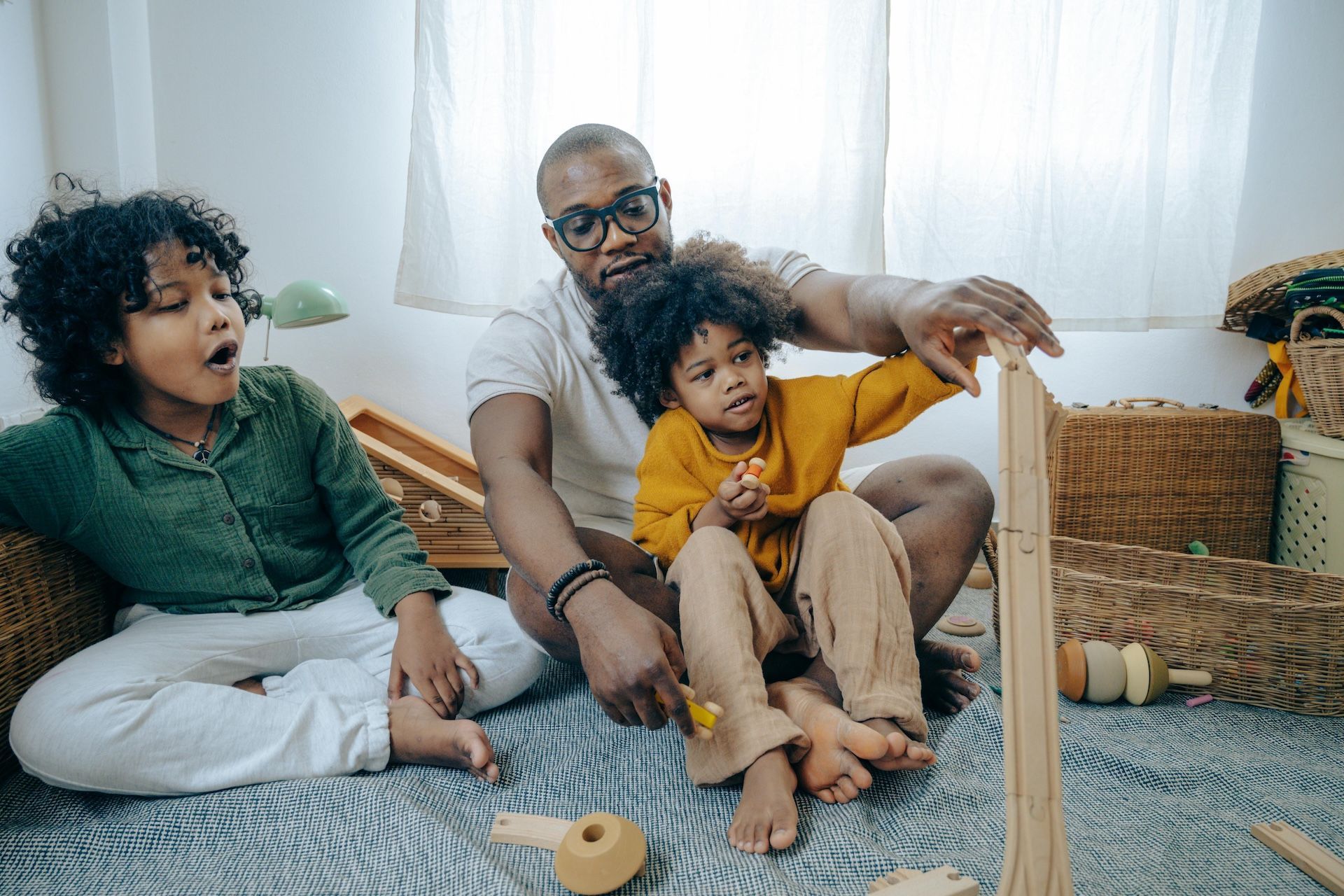
At its core, community begins with the most fundamental human group: the family. Families form children’s first social experience and the first place where values, culture, and expectations are passed down. This bond has helped humans survive and thrive throughout history.
Partnering with Families
In the Montessori approach, we honor and respect each family's unique values, striving to foster strong home-school relationships. Our partnership with families is a mutual journey—one in which the adult caregivers at school and home come together with a shared purpose: to nurture children’s natural growth.
Building the Toddler Community
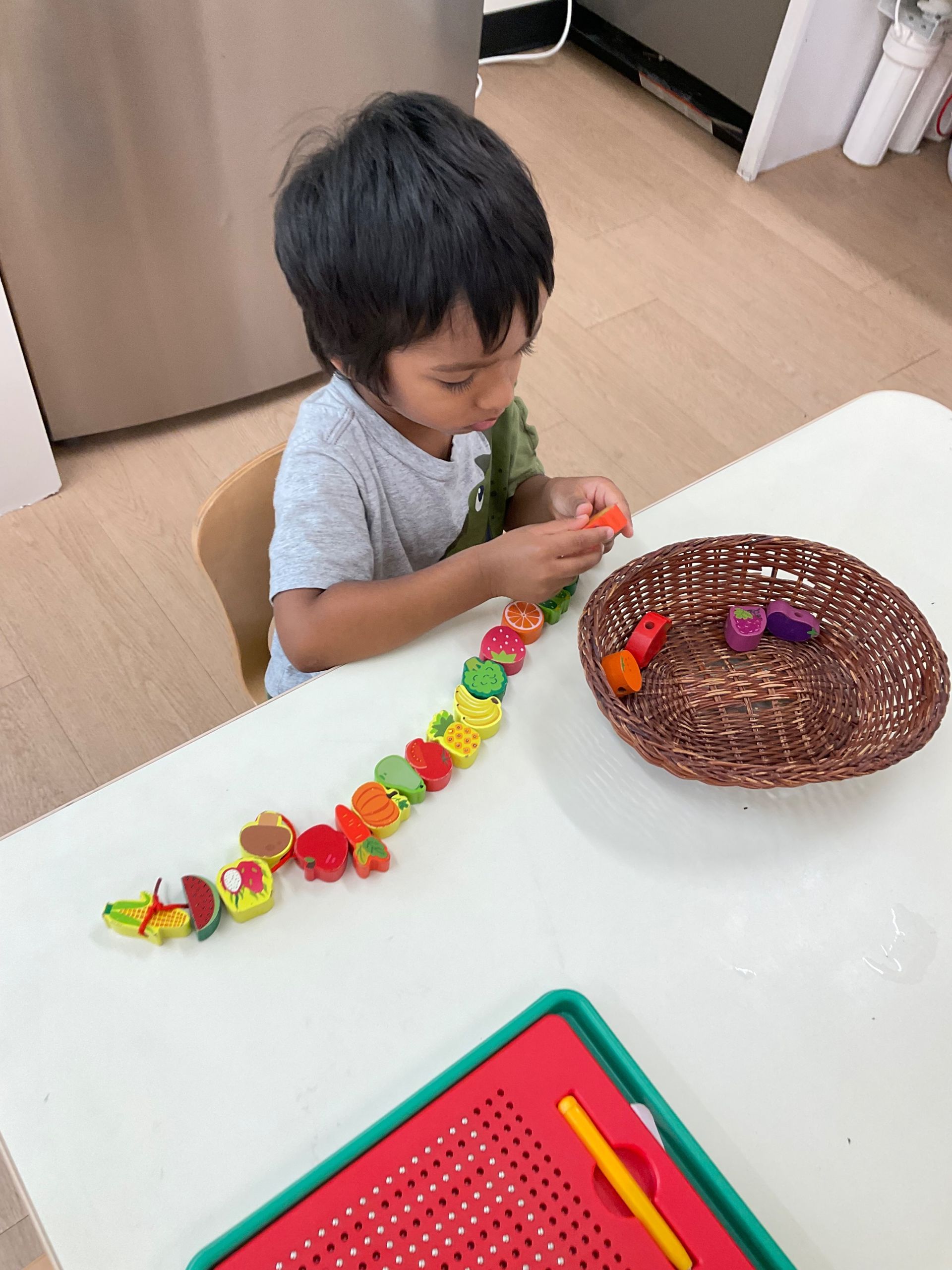
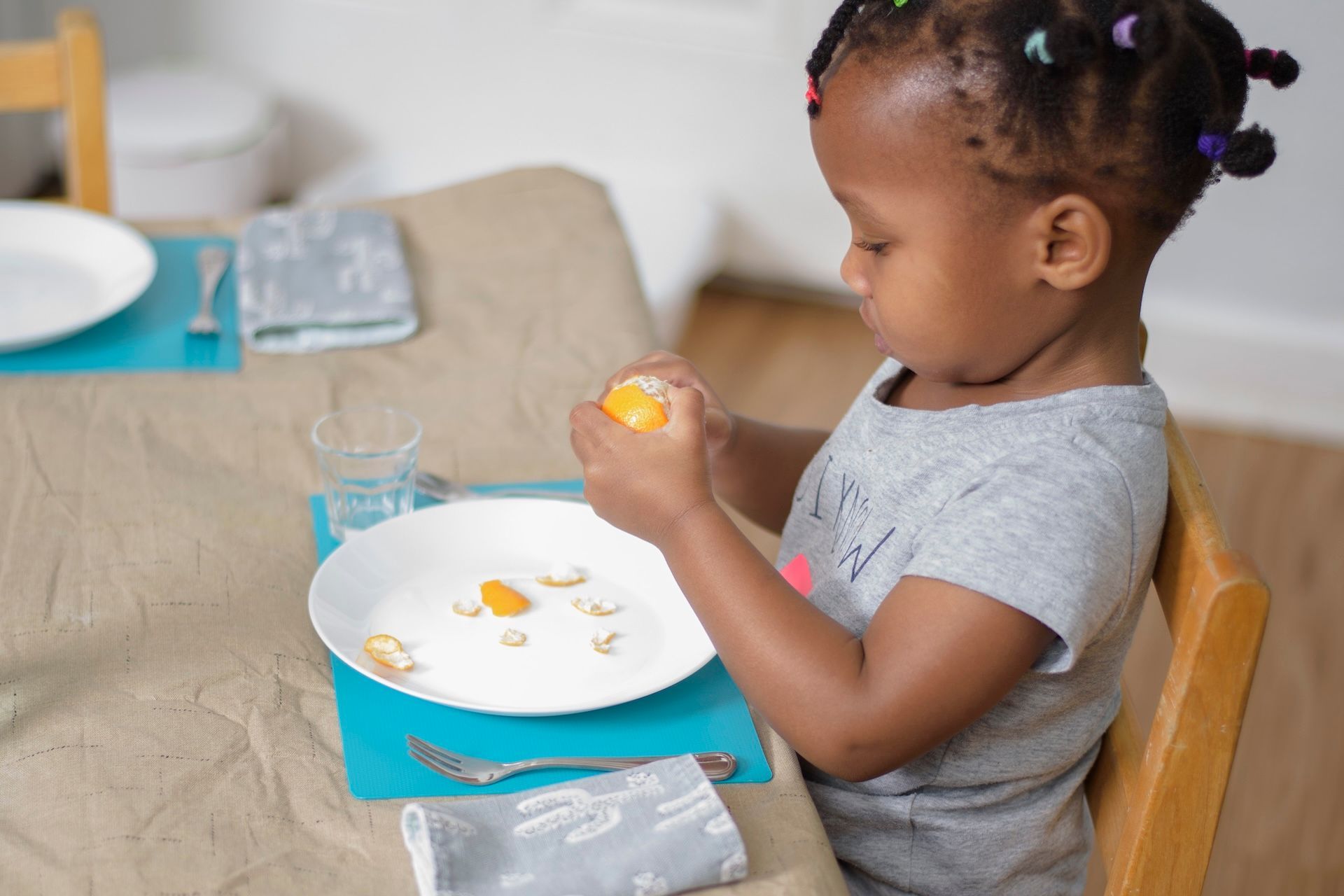
We design our learning environments—both indoors and outdoors—to meet each child where they are, providing just the right level of challenge, comfort, and beauty. In creating community, we focus on essential, concrete elements like people, space, and materials, while also attending to intangible aspects that provide a profound sense of order.
The People: The adults—both the lead guide and trained assistants—focus on personal and professional preparation. Their role is not to direct the child but to support their natural development with presence, purpose, and peacefulness.
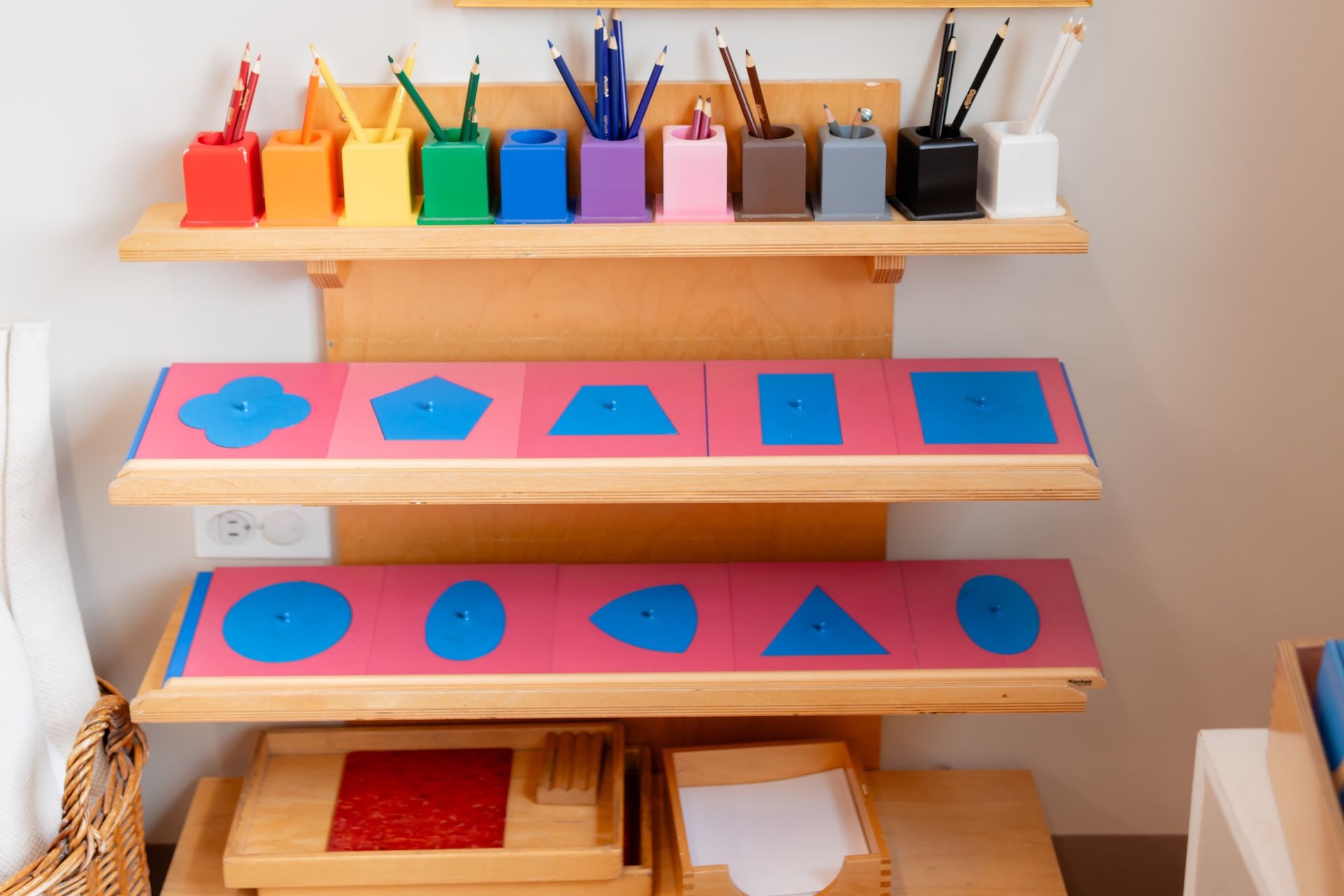
The Space: The physical environment must be appropriately sized, thoughtfully arranged, and aesthetically pleasing. If it’s too large, children can feel lost or overstimulated. If it’s too small, they may feel crowded and unsettled. We design every detail—from the furniture to the flow of the day—with intention.
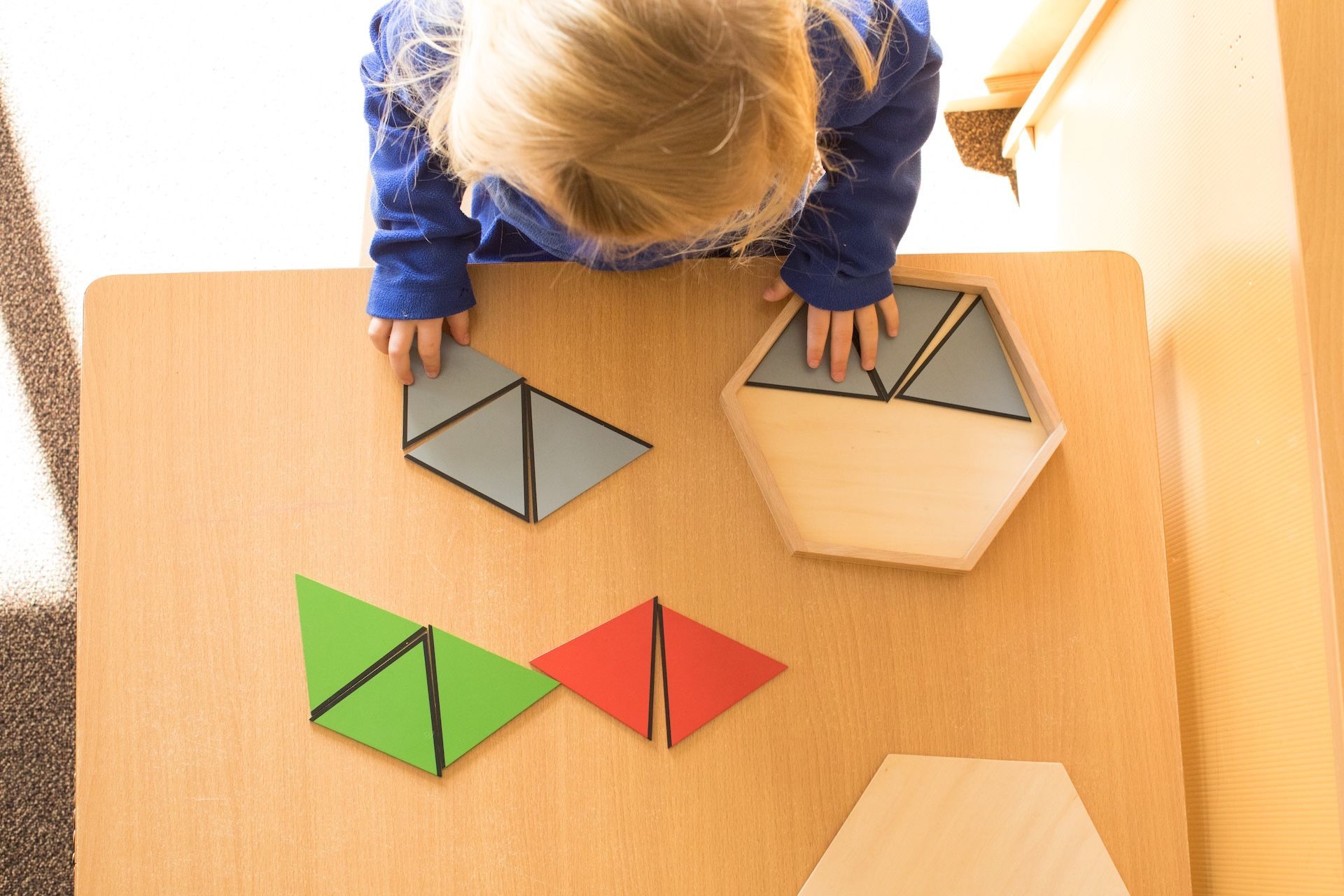
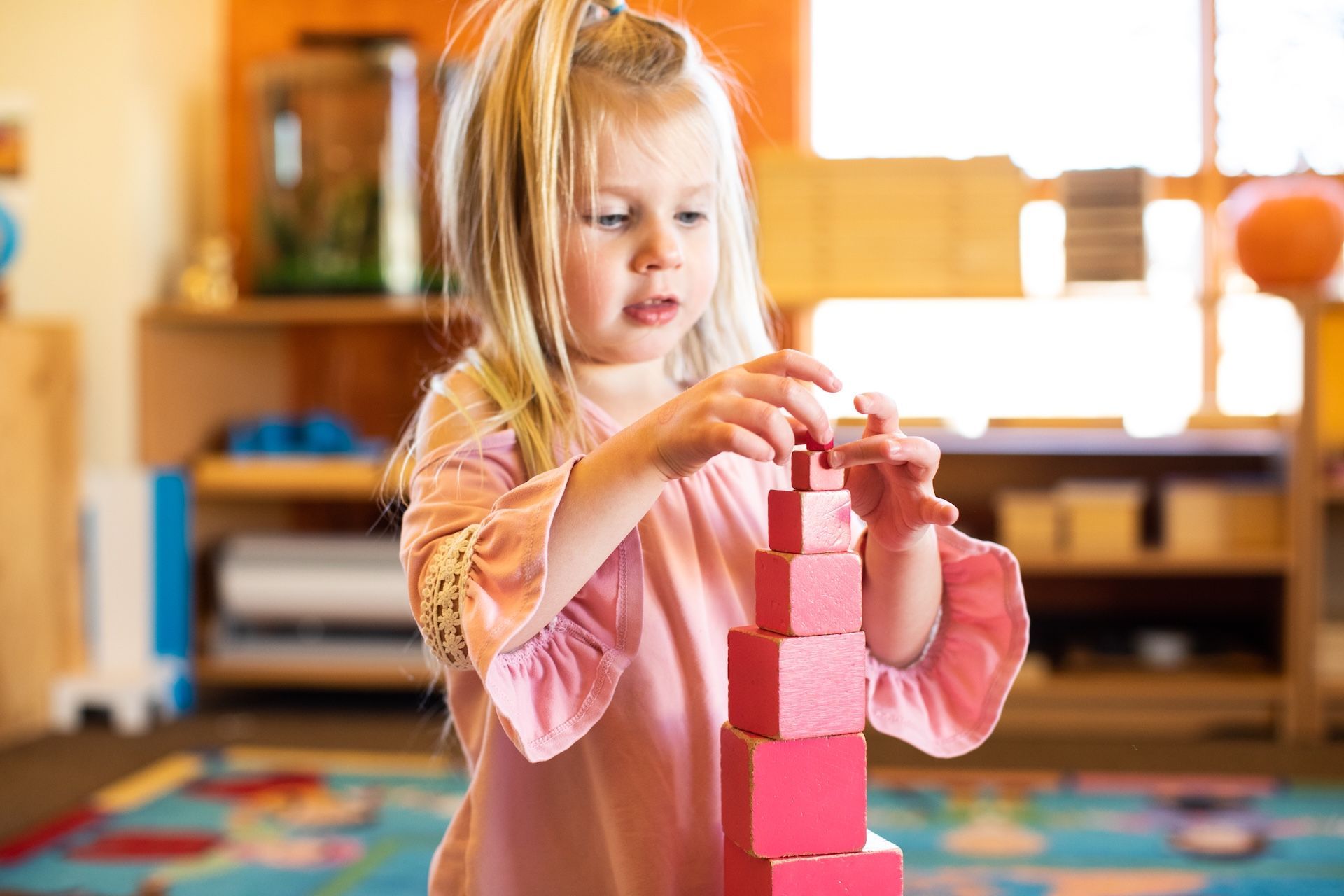
The Materials: Everything in the classroom is purposeful, developmentally appropriate, and in harmony with Montessori principles. We carefully select materials to support children’s movement, independence, concentration, and sense of order.
Profound Order: A true Montessori community also relies on an invisible but essential structure: the order that underlies everything. Children have a fundamental need for order, especially during the first six years of life when they are in their sensitive period for order.
External order—seen in routines, consistent expectations, and a well-organized space—helps children form inner order, which is the foundation of emotional regulation, concentration, and autonomy.
If children do not experience order in their lives, they must expend energy trying to create it—energy that should instead be used for self-construction. That is why order must exist not just in the physical environment, but also in the adults’ behavior and in the flow of the day. A sense of control, predictability, and respect enables toddlers to flourish as they begin to form their personalities.
The Role of the Prepared Adult
As we create and cultivate our learning communities, we also recognize the significance of our role as adults in creating a community where toddlers feel safe, supported, and free to grow.
While we play a critical role in creating and maintaining a beautiful environment, we also recognize that it belongs to the children for their growth and development. To ensure that we support this development, we strive to master the art of observation, which enables us to identify what children need to aid their growth. With a deep understanding of the purpose of every material in the classroom, we can then connect children to meaningful work through intentional and respectful presentations.
We also practice humility, recognizing that children are often more in tune with their needs than we are. Our work with toddlers requires us to respect each child’s human potential, even when behavior is challenging, and to love unconditionally, accepting children for who they are, not who we want them to be. This practice means that we regularly reflect on our own work, always striving to improve so that we can better serve the children.
A Living, Breathing Community
Creating a Montessori community for toddlers is both an art and a science that requires intentional environments, well-prepared adults, and a deep respect for children’s developmental journey.
At its heart, the Montessori Toddler Community is a shared space where children learn how to be in the world—together. It is here they first experience what it means to belong, to contribute, and to grow with others.
Schedule a visit to see what an intentionally designed community looks like in action!