When Something Gets in the Way: Understanding Why Children Struggle and How Montessori Helps
When children struggle, Montessori asks: what's in the way? Explore how the prepared environment helps children find their way back to themselves.
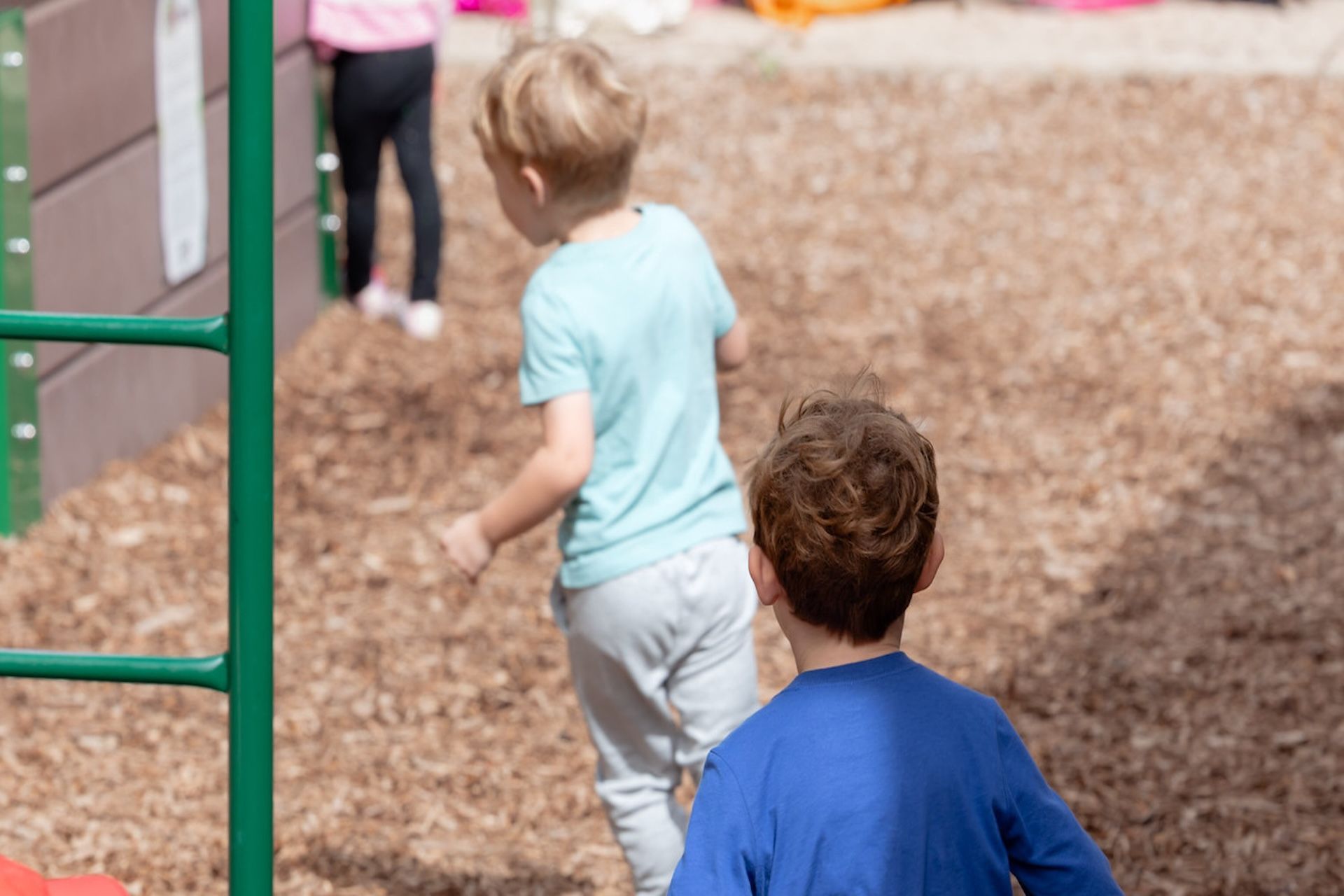
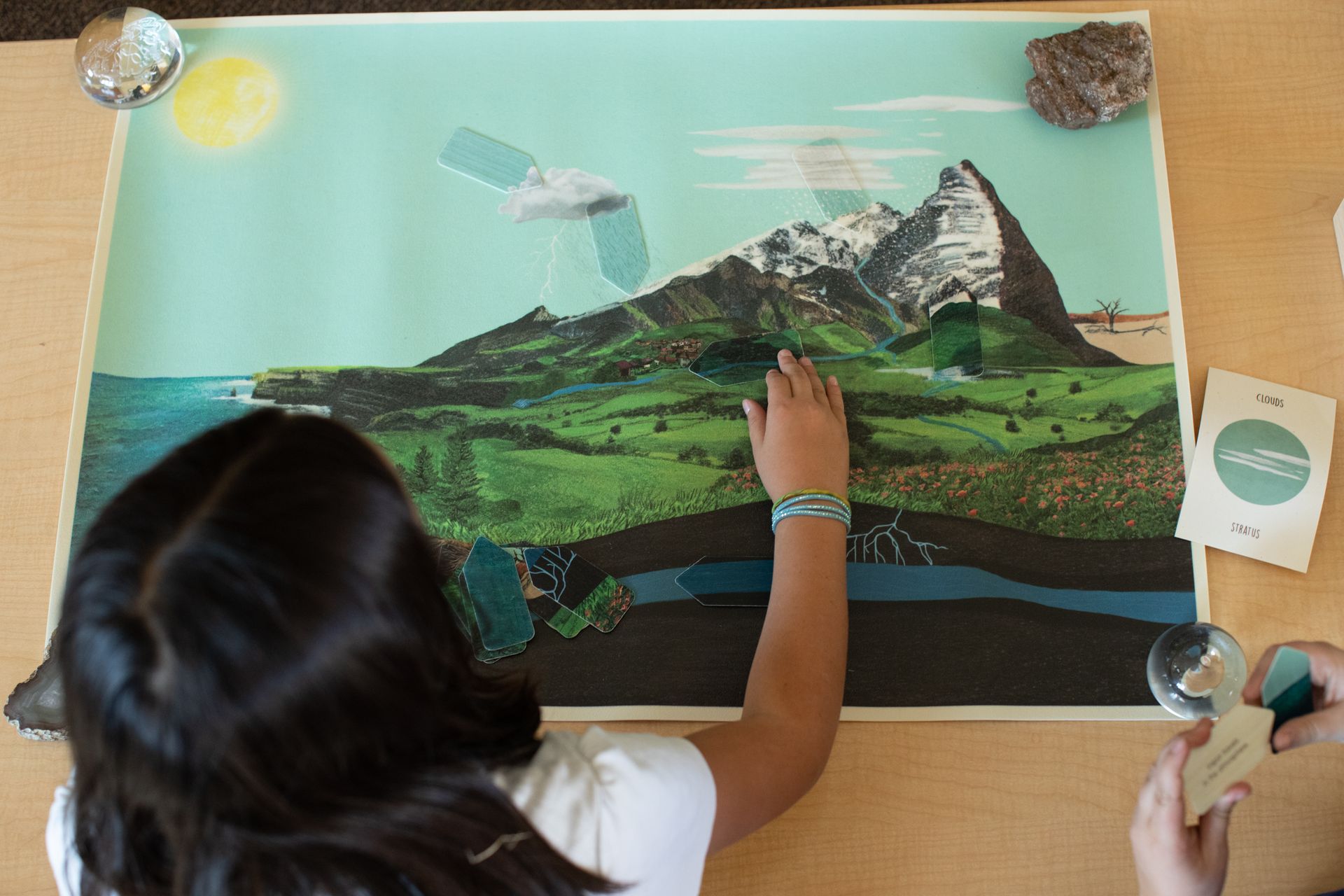
There is a beautiful image Dr. Maria Montessori used to describe the child's natural path of development: a river flowing clearly from mountain to ocean, its current strong, its course defined. When that river encounters an unnatural obstacle, such as a dam or a diversion, its energy is halted or scattered. The water doesn't disappear. It simply can't go where it needs to go.
This is precisely what happens when children encounter obstacles in their development. And understanding this concept can change everything about how we see children's most challenging behaviors.
What Is a Deviation?
In Montessori, the term "deviation" refers to what happens when a child's natural developmental energy is blocked or redirected. Rather than flowing freely toward growth, the child's inner resources get diverted into defending against whatever obstacle is in the way. That defense looks different in different children, but it is always, at its core, a response to unmet needs.
Dr. Montessori was clear that deviations don't come from a character flaw or a bad temperament. They come, as she wrote in The Absorbent Mind, from "insufficient nourishment for the life of the mind." When a child's genuine developmental needs (for movement, rich sensory experience, meaningful work, order) aren't being met, deviations are the natural result.
It's also worth saying: every child has deviations to some degree. Rather than a cause for alarm, it is simply part of being human in an imperfect world. The degree tends to shift from day to day, and with the right environment and support, deviations can be resolved, and development can get back on course.
What Gets in the Way?
Obstacles to healthy development can take many forms. A lack of freedom to interact with the environment in meaningful ways. A lack of positive, nourishing experiences. Insufficient input during the critical windows of development (what Montessori called sensitive periods) when children are especially primed to absorb language, order, sensory refinement, and movement.
One of the most significant obstacles in children's lives today is screen time. Think about the difference between children sitting still and engaged with technology, and those that are engaged with the physical and sensory world around them. Being plugged into technology leads to children missing real experiences outdoors, with other people, and through movement. Their developing brains genuinely need these sensorial experiences! Technology can quietly replace so much of the interaction and hands-on experience that nourishes healthy development, and its effects ripple into family life as well, reducing the quality time and connection that children depend on.
How Deviations Show Up
Dr. Montessori observed that children tend to express deviations in one of two broad ways, depending on their temperament.
The strong-willed child struggles actively against the obstacle. This struggle can look like defiance, aggression, possessiveness, a need for control, or even difficulty with physical coordination. What's important to understand is that this child is using enormous energy to fight against internal obstacles, energy that would otherwise be going toward growth and development. The behavior that adults find most difficult to manage is often the child's most desperate attempt to find their way back to equilibrium.
The more passive child tends to respond differently: clinging, whining, expressing boredom, developing fears, or becoming highly dependent on adults. Because this child's response is quieter, adults sometimes miss the signal. But the underlying dynamic is the same: a child whose developmental path has been disrupted and who is finding their own way to cope.
Dr. Montessori also described two other specific forms deviations can take. The fugitive mind is restless and seeks escape into fantasy, into play that lacks real engagement, into a world of distraction. The psychic barrier is perhaps even more striking and serves as a kind of protective wall children build around their minds, shutting out input they cannot process. As Dr. Montessori wrote in The Secret of Childhood, it is a child's unconscious way of saying, "You speak, but I do not listen."
Other deviations can manifest as excessive attachment, possessiveness, a hunger for power, feelings of inferiority, intense fears, or even telling lies. Each of these, when seen through a Montessori lens, is not a moral failing. Rather we understand these as important messages. Something has gotten in the way, and the child needs support to find their path again.
What Children Actually Need
Here is the most important thing to understand about deviations: they cannot be corrected through force, punishment, or pressure. A child in this state needs patience, compassion, and, perhaps counterintuitively, even more warmth and connection than usual. They need opportunities to change so that they can feel good about themselves again.
And they need a prepared environment.
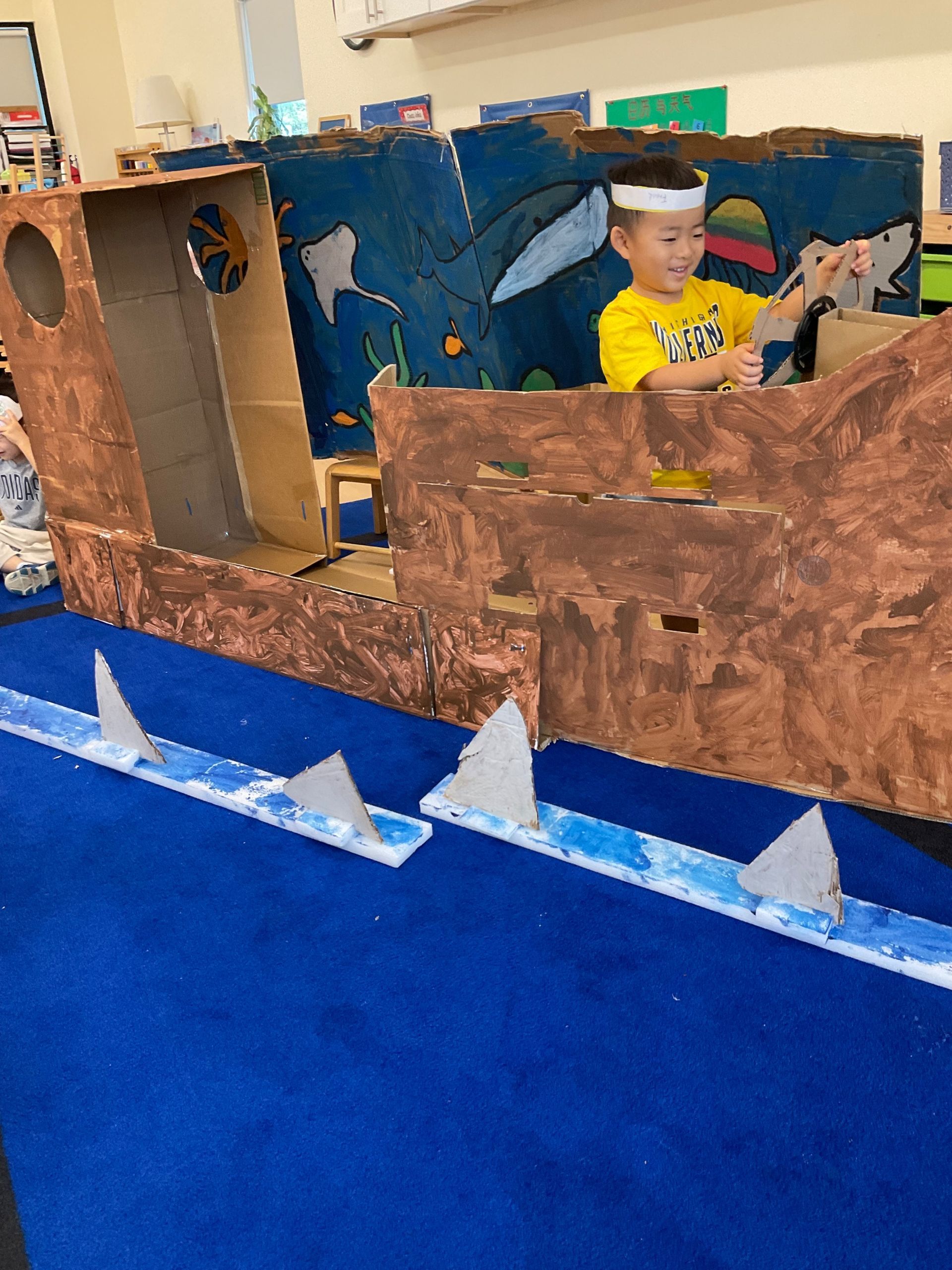
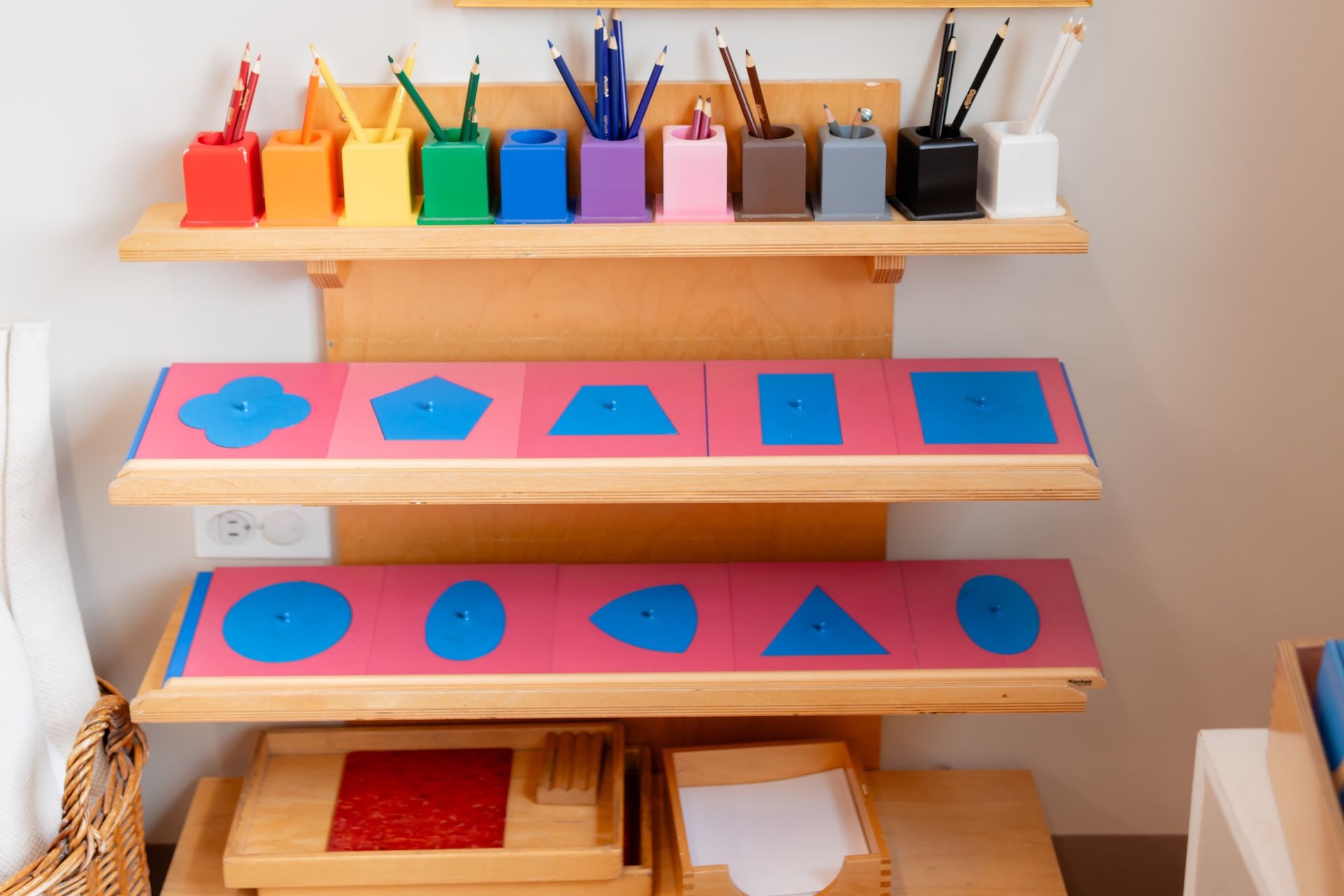
Dr. Montessori described what she observed when children who had been expressing deviations were placed in rich, ordered, meaningful environments where they could engage freely with interesting work: "The disorderly became orderly, the passive became active, and the troublesome disturbing child became a help in the classroom."
This transformation happens not because someone fixed the child from the outside, but because the child was given what they needed to heal from within. Dr. Montessori called this process normalization, a term borrowed from anthropology, meaning to become a contributing member of society. It is the return to a natural state of psychological health, made possible when a child's development can unfold without obstacles.
The Four Signs of Normalization
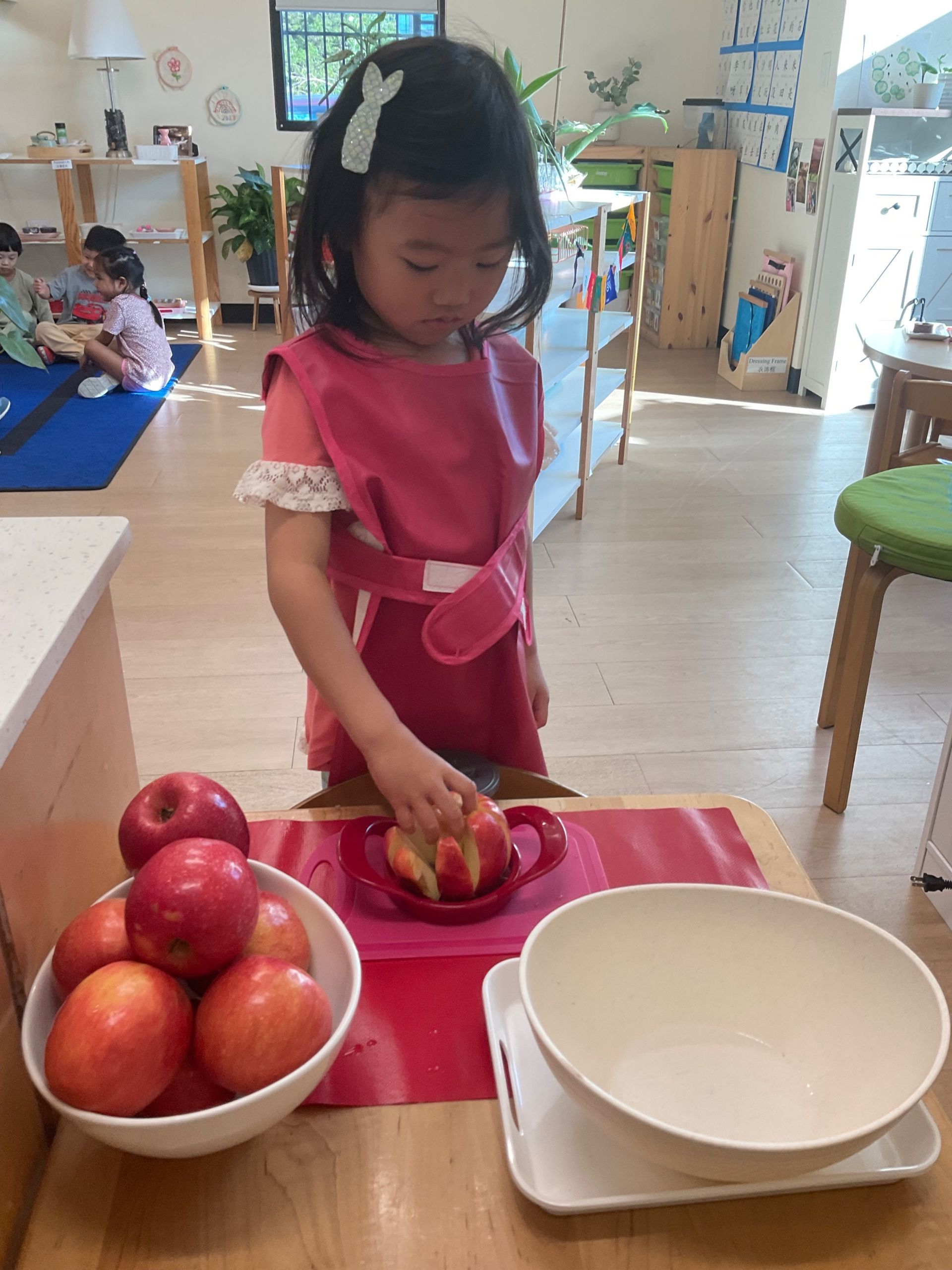
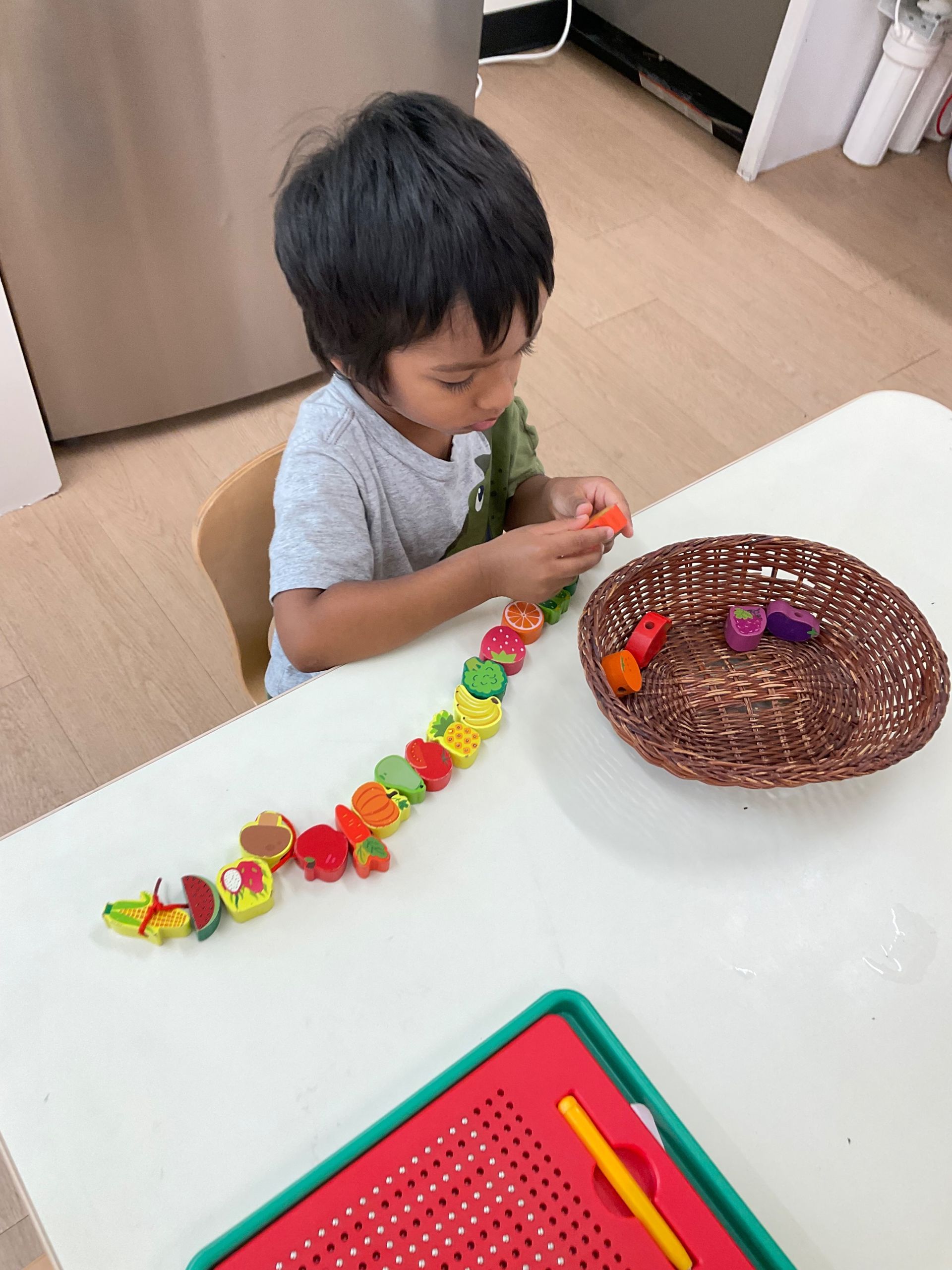
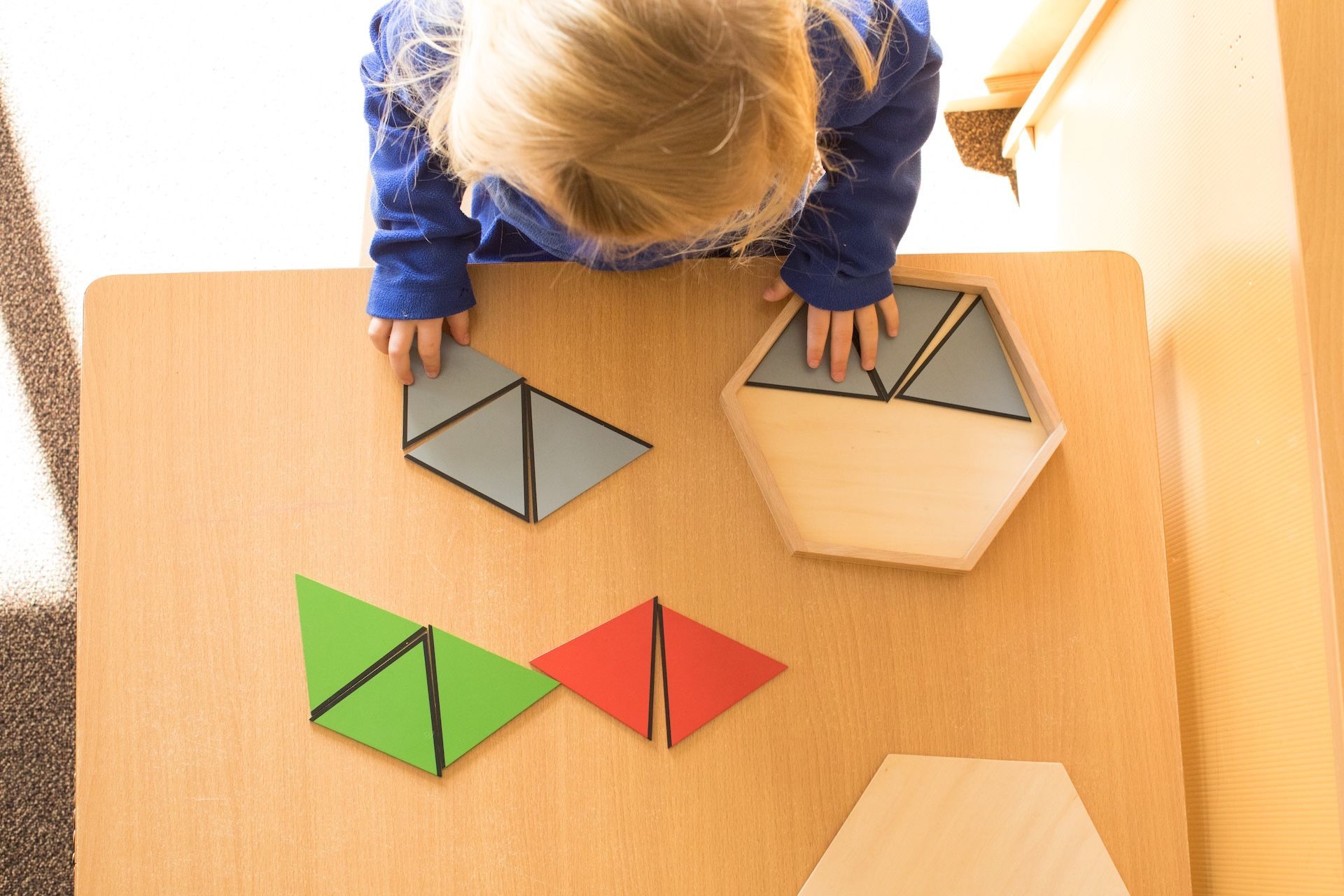
When a child achieves normalization, four qualities begin to emerge: concentration, love of work, self-discipline, and sociability. These aren't outcomes that are taught or drilled. They arise naturally when a child is able to engage deeply with meaningful work that captures their whole attention, what Dr. Montessori described as activity that "engages the child's whole personality."
The concentrated child is a healing child. Their neurons are forming new connections. Their energy is becoming balanced. They are developing the capacity to persist through challenge, to care for their community, to trust themselves and the world around them.
What This Means for Families
Understanding deviations offers us a genuinely different way of seeing difficult behavior. Rather than asking what is wrong with my child, it opens the door to asking what does my child need? Rather than responding to behavior with correction alone, it invites us to look at the whole picture (the environment, the experiences, the unmet needs) and ask what obstacles might be standing in the river's way.
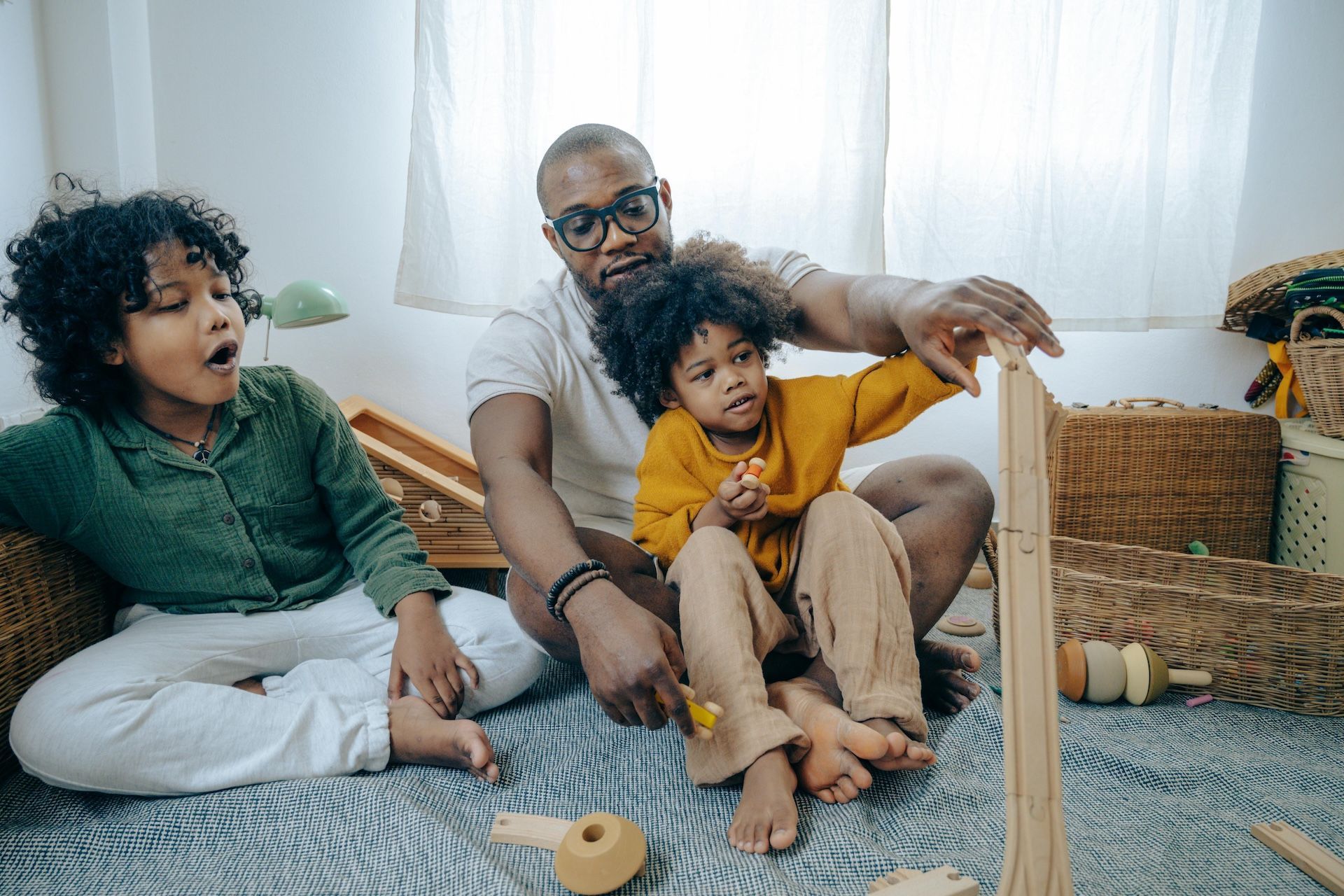
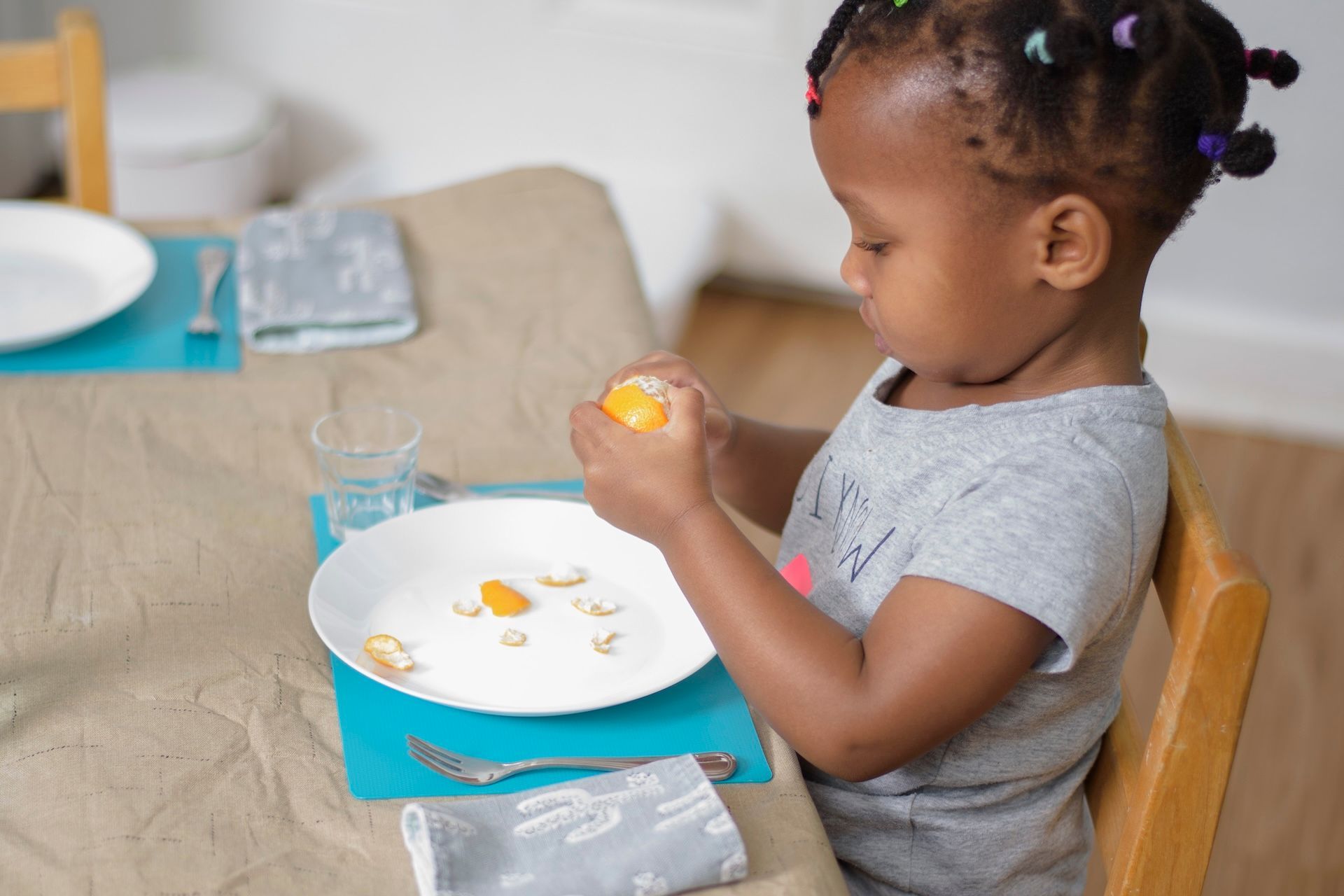
The Montessori environment is specifically designed to remove those obstacles and nourish the whole child. And the principles extend into family life, too. Rich sensory experiences, time outdoors, meaningful work, freedom within clear limits, connection, and order at home. These are the conditions in which children's natural developmental energy can flow freely.
Dr. Montessori wrote: "We serve the future by protecting the present. The more fully the needs of one period are met, the greater will be the success of the next."
Come see our prepared environment in action and learn more about how we support each child's path toward concentration, love of work, self-discipline, and sociability. Schedule a visit here in Austin, Texas. We’d be delighted to show you around.