Little Hands, Big Purpose: The Power of Practical Life
Practical Life activities in Montessori foster independence, confidence, and a sense of belonging as children learn real-life skills through meaningful, hands-on work.
In our daily lives, we undertake numerous tasks to care for our homes, loved ones, and ourselves. As adults, we often move through these routines without much thought: washing the dishes, setting the table, tidying up a room. But for young children, these moments hold incredible fascination. They yearn to participate in practical matters and delight in doing meaningful work alongside the adults they admire.
In the Montessori approach, we refer to these tasks as Practical Life activities. Whether it’s dressing themselves, wiping a spill, or watering a plant, these activities help children connect to the world around them. They offer a gentle introduction to cultural norms and everyday responsibilities while also supporting the development of internal motivation, intellect, and body coordination.
Two Purposes: One External, One Internal
Every Practical Life activity serves two important purposes. The first is external and easily visible: when children wash a table, the table becomes clean. The second purpose is internal and perhaps even more meaningful: children grow in confidence, independence, and a sense of belonging.
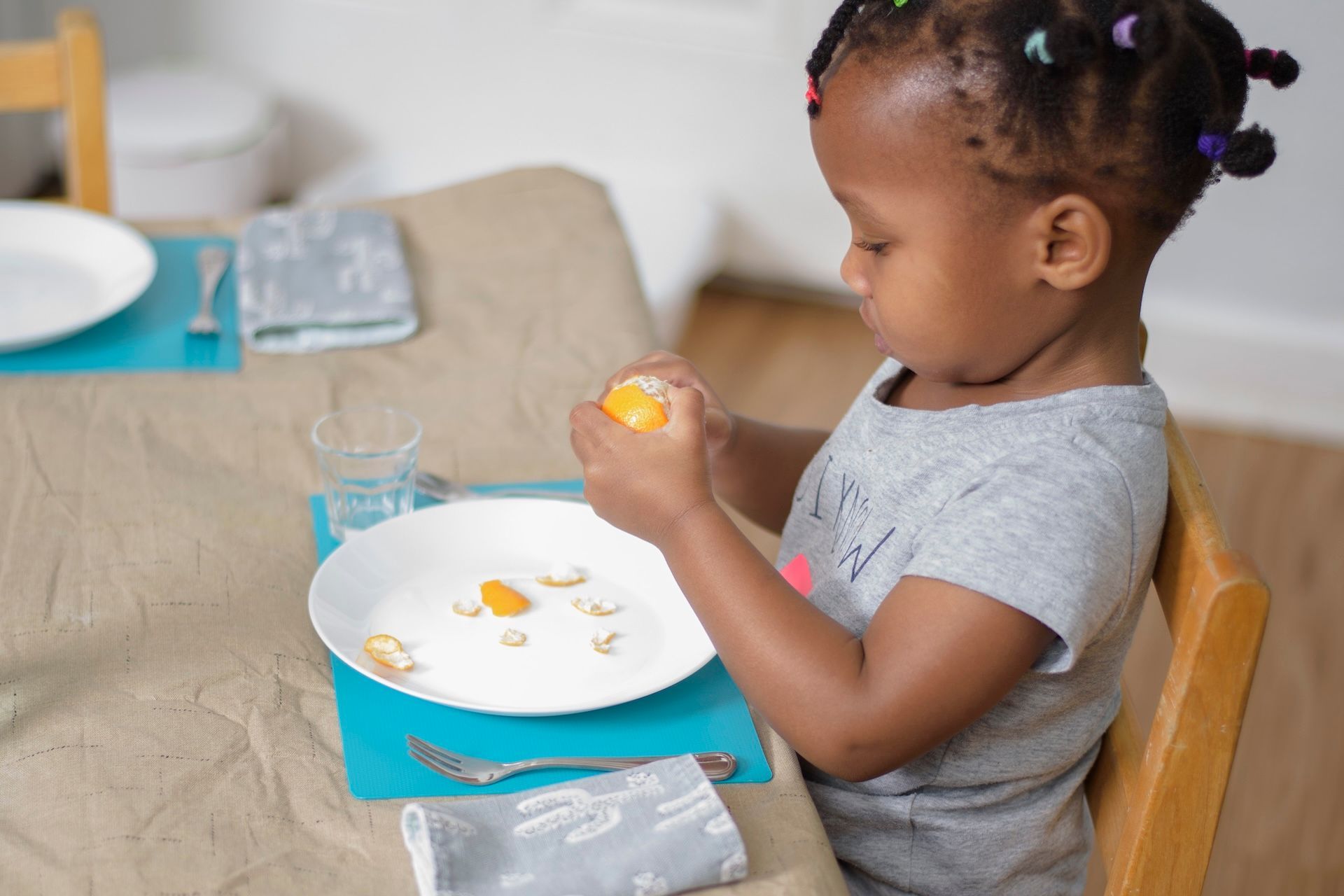
When children are invited to participate in purposeful work, they feel like important contributors to their family or classroom community. Learning to meet their own needs — such as dressing, feeding themselves, or cleaning up — helps them develop a sense of competence and pride. Over time, these small but significant experiences lay the foundation for future independence and responsibility. By the time children become young adults, they are well-prepared to care for themselves, plan for their future, and contribute meaningfully to the world around them.
Preparing the Environment for Success
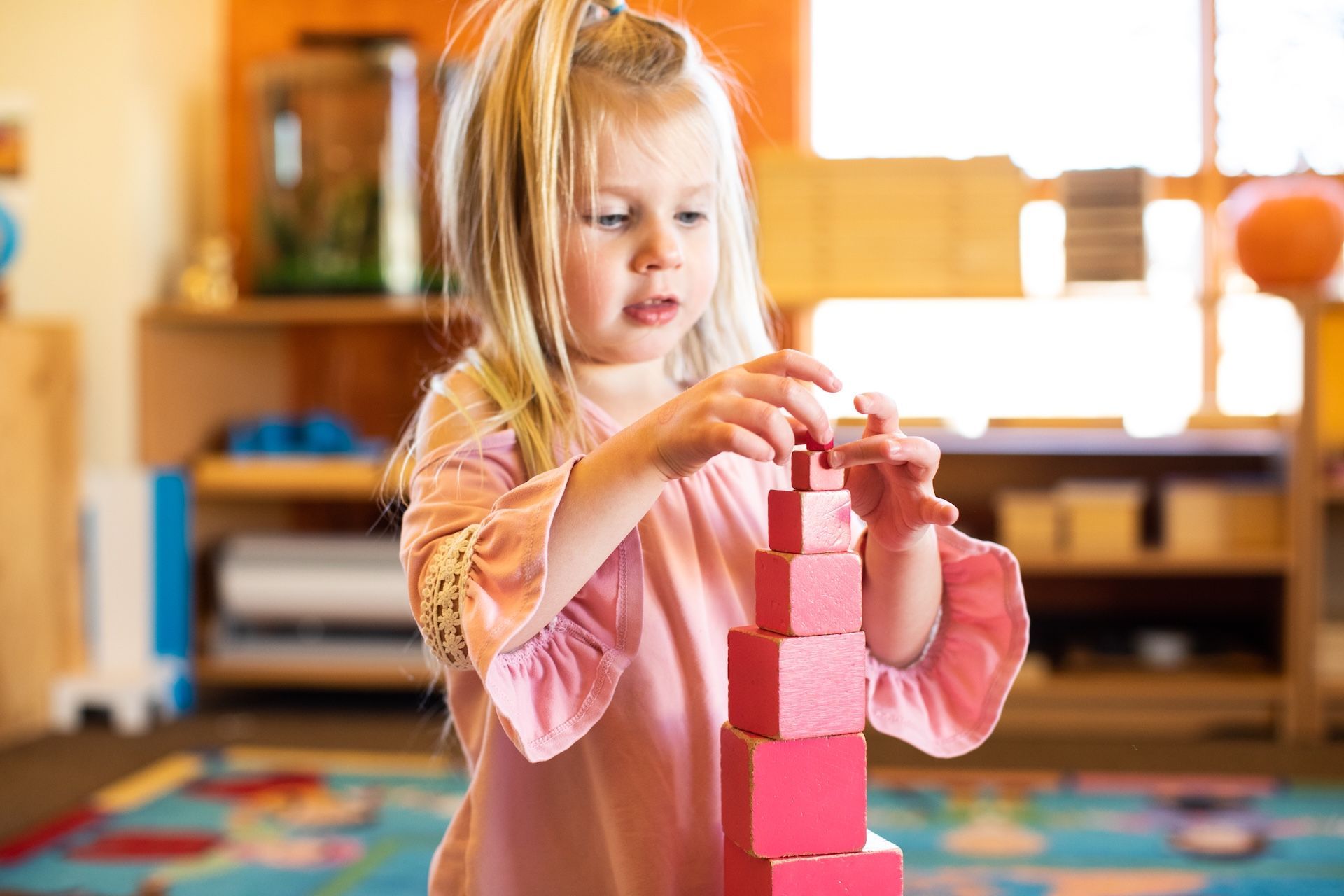
In Montessori classrooms, Practical Life activities are intentionally prepared and beautifully presented to support children’s independence. The sink is at children’s height. The soap dispenser holds just enough soap for a single wash. Every tool has a place, and children learn how to use and return each one with care.
This thoughtful preparation allows children to take on tasks that might previously have been done for them. Now, they can do it for themselves, and in doing so, they begin to see themselves as capable and responsible individuals.
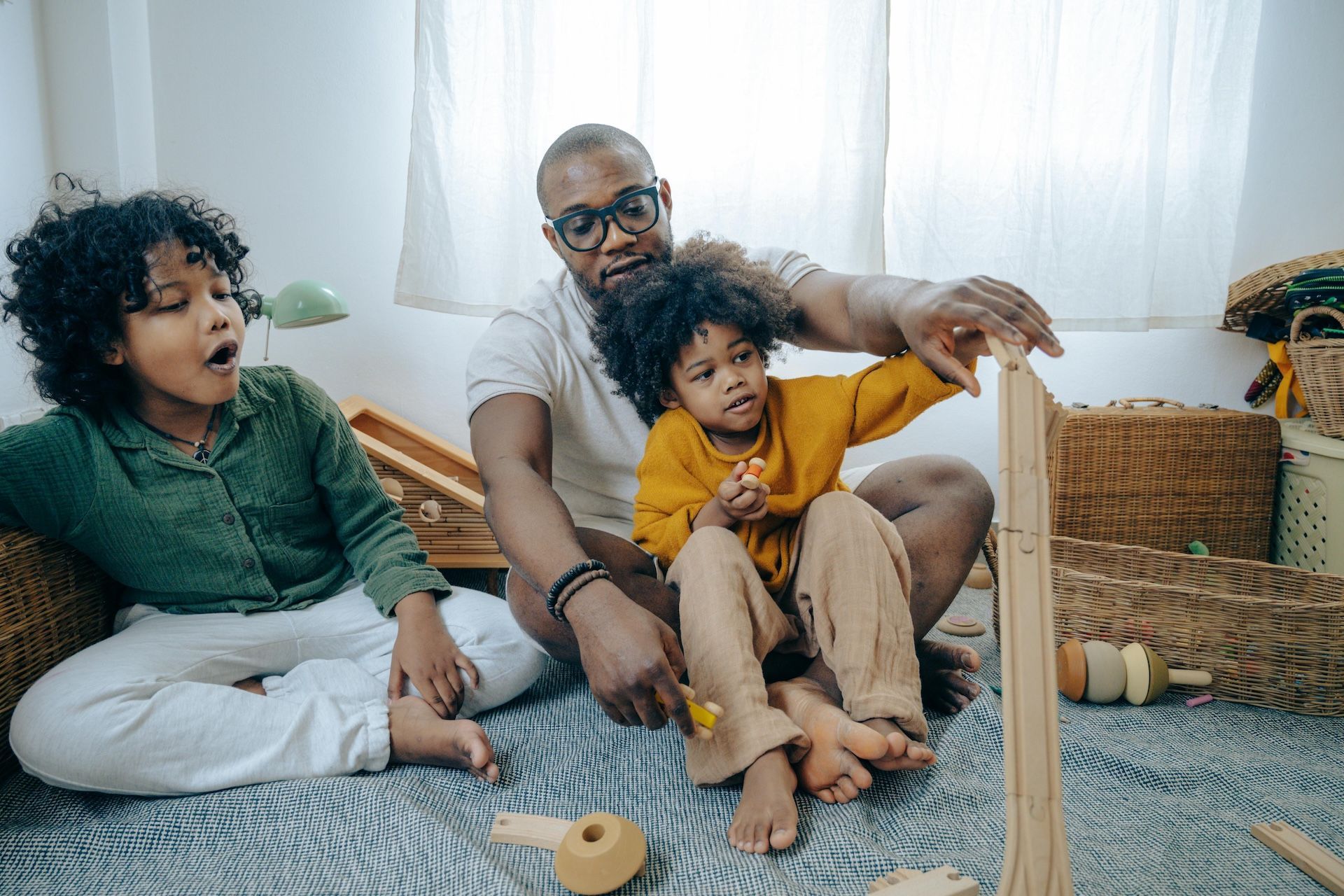
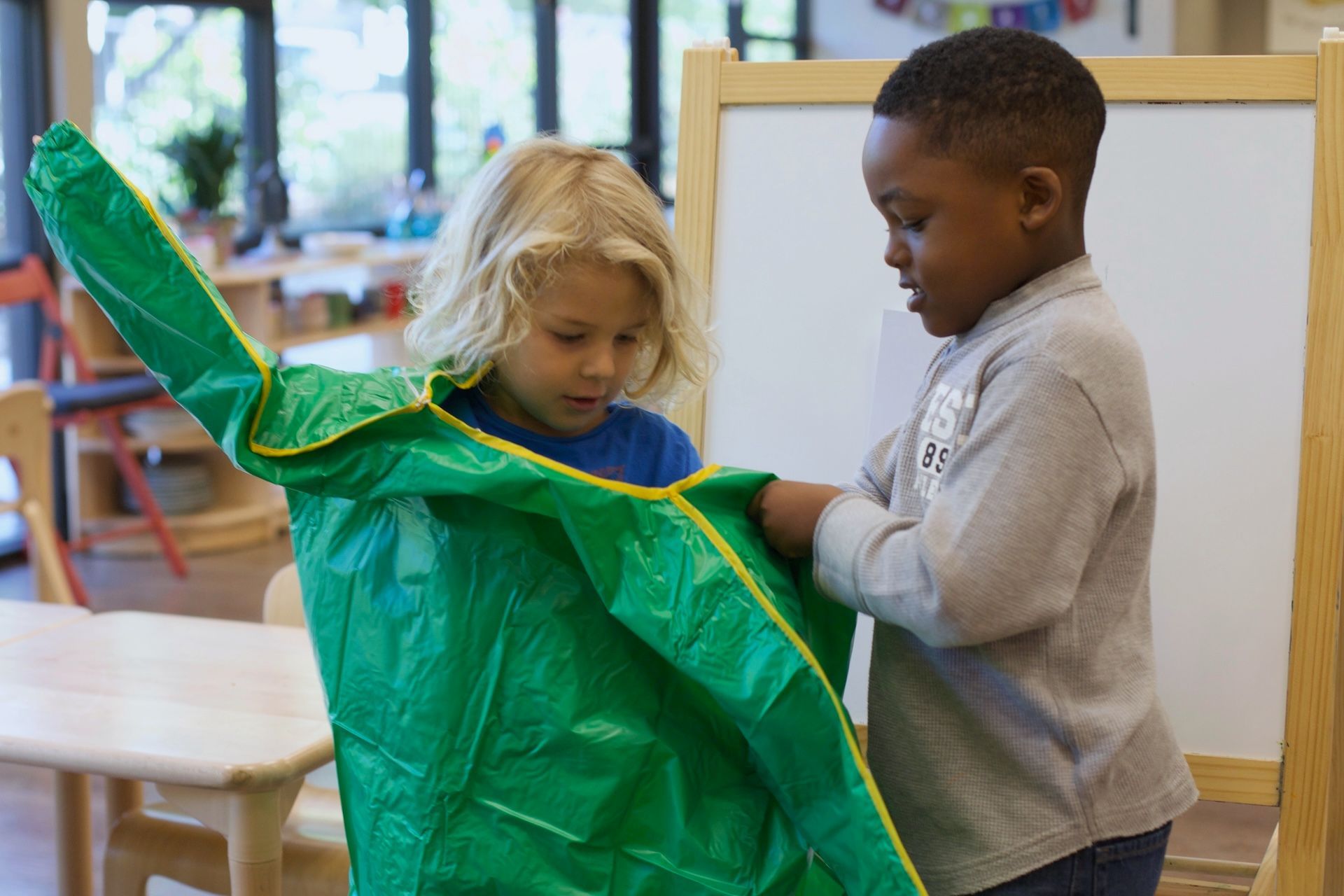
Even our youngest children can begin participating in daily routines through collaboration. For infants, we might say, “I’m going to put on your shirt. Let’s slide your arm through the sleeve,” giving them the opportunity to feel involved in the process. As they grow, children begin to imitate the adults around them and eventually take on tasks in their own unique way. This process isn’t always linear — some days, more support is needed. On those days, we can offer gentle encouragement, saying, “Let’s do this together,” while still honoring our children’s role in the task.
Caring for the Environment
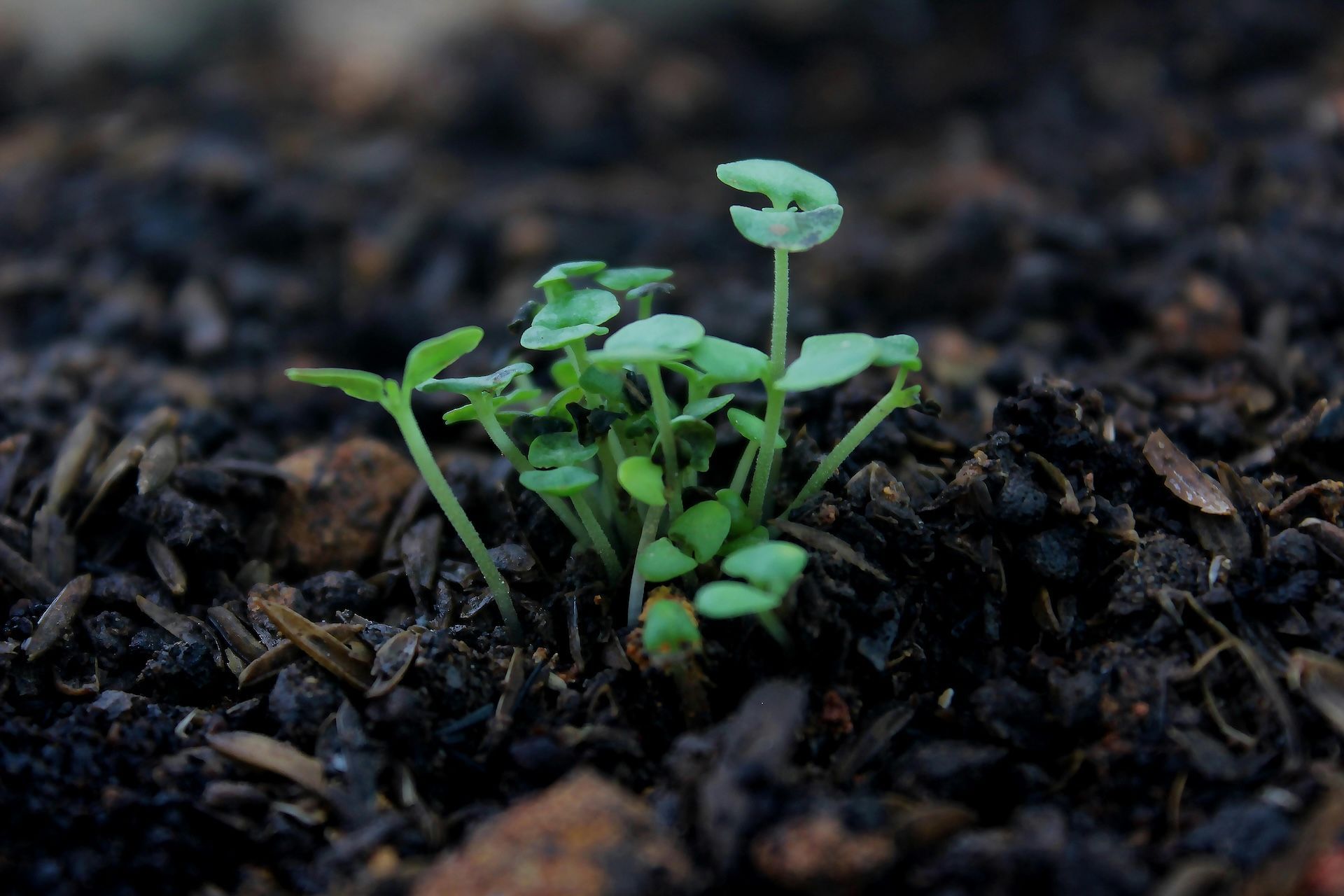
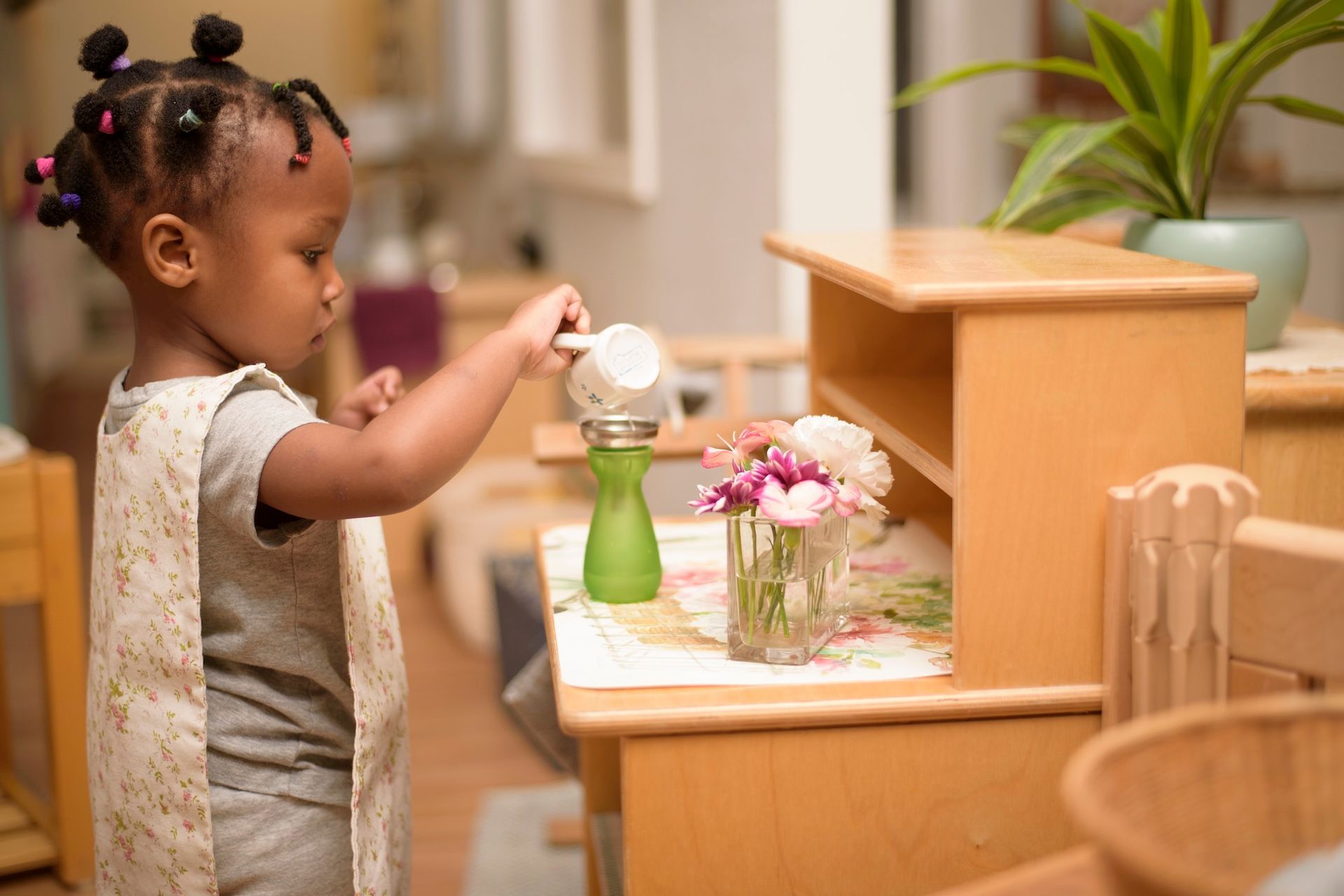
In addition to self-care, children in Montessori environments are given many opportunities to care for their surroundings. From watering plants to sweeping floors, these real and purposeful activities help children feel connected to their community.
Success in this area depends on a well-prepared environment. Child-sized tools and meaningful work allow the child to make a visible impact. If the plants are dry, the children water them. If a table is dirty, children scrub it. These aren’t pretend tasks — they are real contributions, and children know it.
Supporting Practical Life at Home
Parents often ask how they can support Practical Life work at home. The good news is that it doesn’t require elaborate preparation. A few intentional routines and accessible materials go a long way.
A basket in the room for laundry, a drawer with placemats and utensils for setting the table, or shelves with toys that are easy to return to their place — these simple choices allow children to take ownership of their environment.
When creating Practical Life opportunities at home, consider these guiding questions:
- Will this activity help develop independence and coordination?
- Can it be done independently?
- What skills are needed?
- Does it allow for repetition?
- Is it culturally appropriate and necessary?
- Is it beautiful?
- Is the material child-sized?
- Is it logical and safe?
The Joy of Purposeful Work
As children learn to care for themselves and their environment, they come to understand what is essential. They begin to internalize procedures, take pride in doing things “all by myself,” and discover just how capable they are.
Children naturally pour their attention into meaningful work. They experience deep satisfaction not only in the outcome but in the process itself. Through Practical Life, they develop a strong sense of belonging and the confidence to grow into their fullest, most independent selves. Come visit our school to see this for yourself!