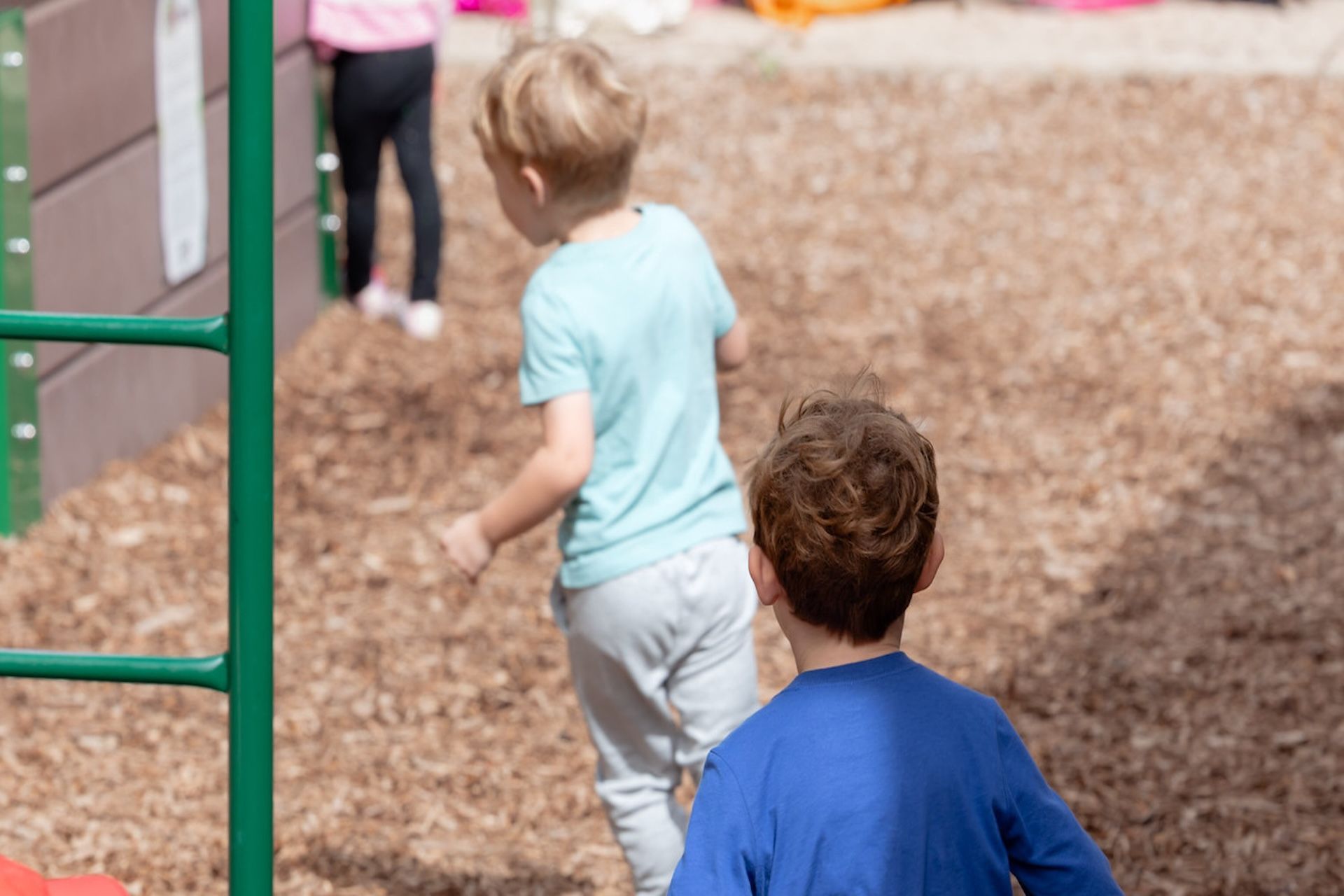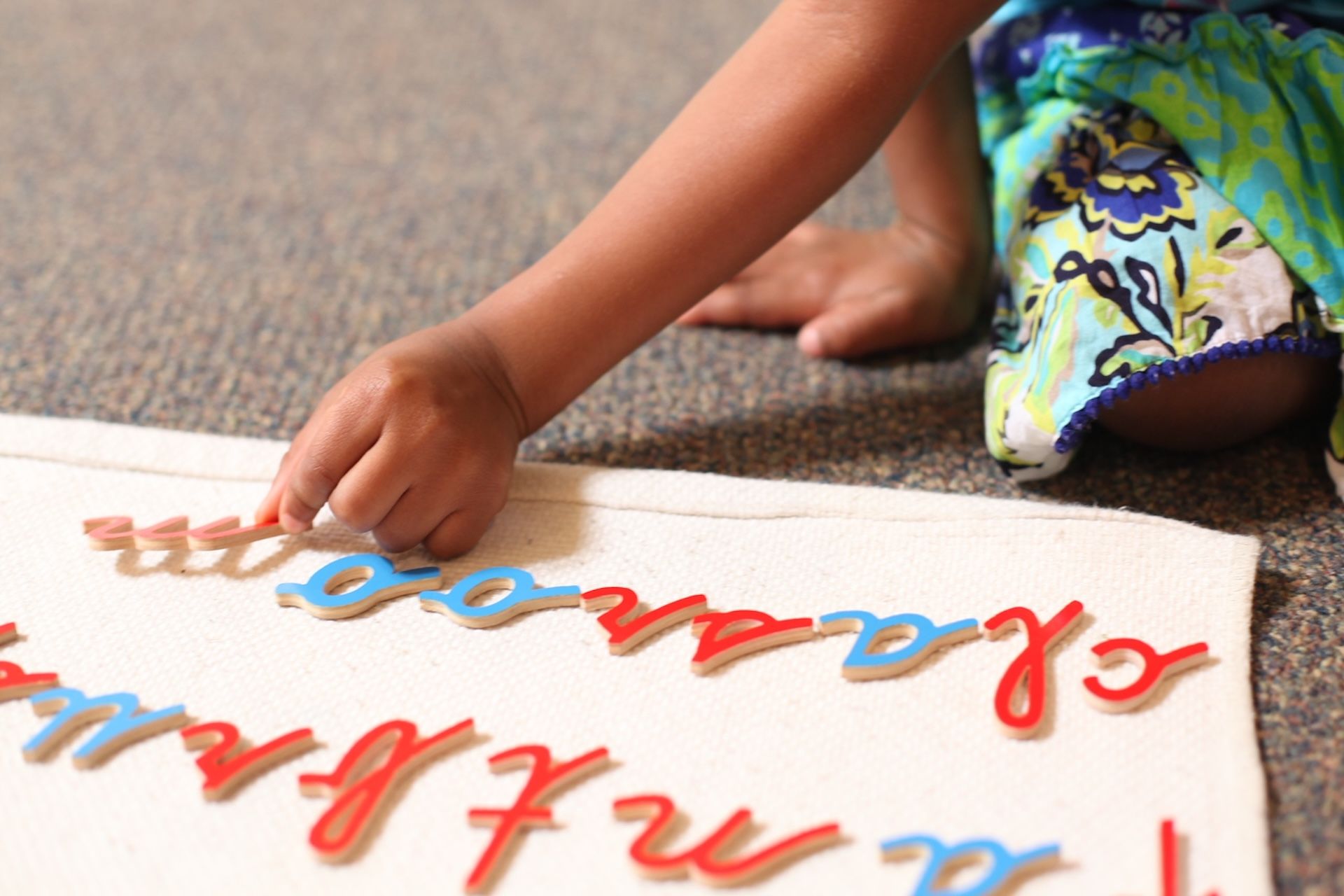
Observation to Instruction
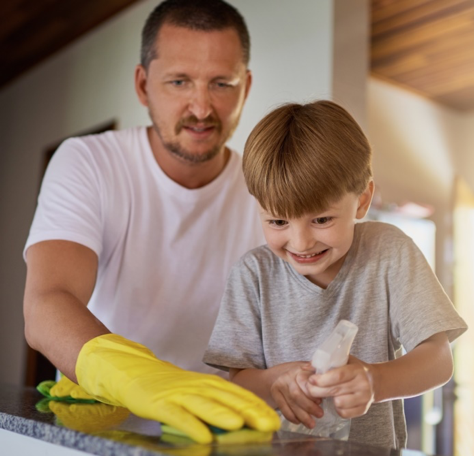
Do you see your child throwing their clothes on the floor in a heap? Maybe leaving things out on the kitchen table? Interrupting during mealtime?
It’s so tempting in these moments to jump in, perhaps correcting or reminding (often for what seems like the umpteenth time).
One of the keys to a Montessori approach is taking the time to observe what is happening, noting what you see, and waiting for an opportune time to teach what to do rather than what not to do.
Supporting Undeveloped Skills
For example, a Montessori teacher saw that a child new to the classroom was regularly cutting to the front of the line as children prepared to wash their hands. Other children were getting quite upset with this young friend’s tactics to get to the front of the line.
Instead of reprimanding the child, the Montessori teacher observed that he wasn’t acting maliciously. He just seemed to not yet have or know the skills to line up successfully. At a quiet moment, the teacher connected with the young boy and let him know that when there is a line, we just go to the end of where the line is forming. Grateful for this information on social graces, the child then happily started going to the end of the lines. It turns out the child just didn’t know the expectations!
It can be so tempting to jump in when we see something happening that we don’t like. Yet as long as children aren’t hurting others, their surroundings, or themself, we practice observing and determining what children still need to learn to be successful.
Observation is Key
The heart of the Montessori method is learning how to observe children in an objective and meaningful way. Adults learn how to look rather than merely see. In order to look without judgment, expectation, or preference, adults work on developing a deep inner awareness. This requires that we observe to understand rather than see something and jump to conclusions.
Thus Montessori education is focused on the natural emergence of young humans at their own pace. The role of adults is to prepare the environment and support children in their optimal development. In order to do this, we have to become constructive observers. We focus on waiting and observing, rather than intervening right away.
How This Can Work at Home
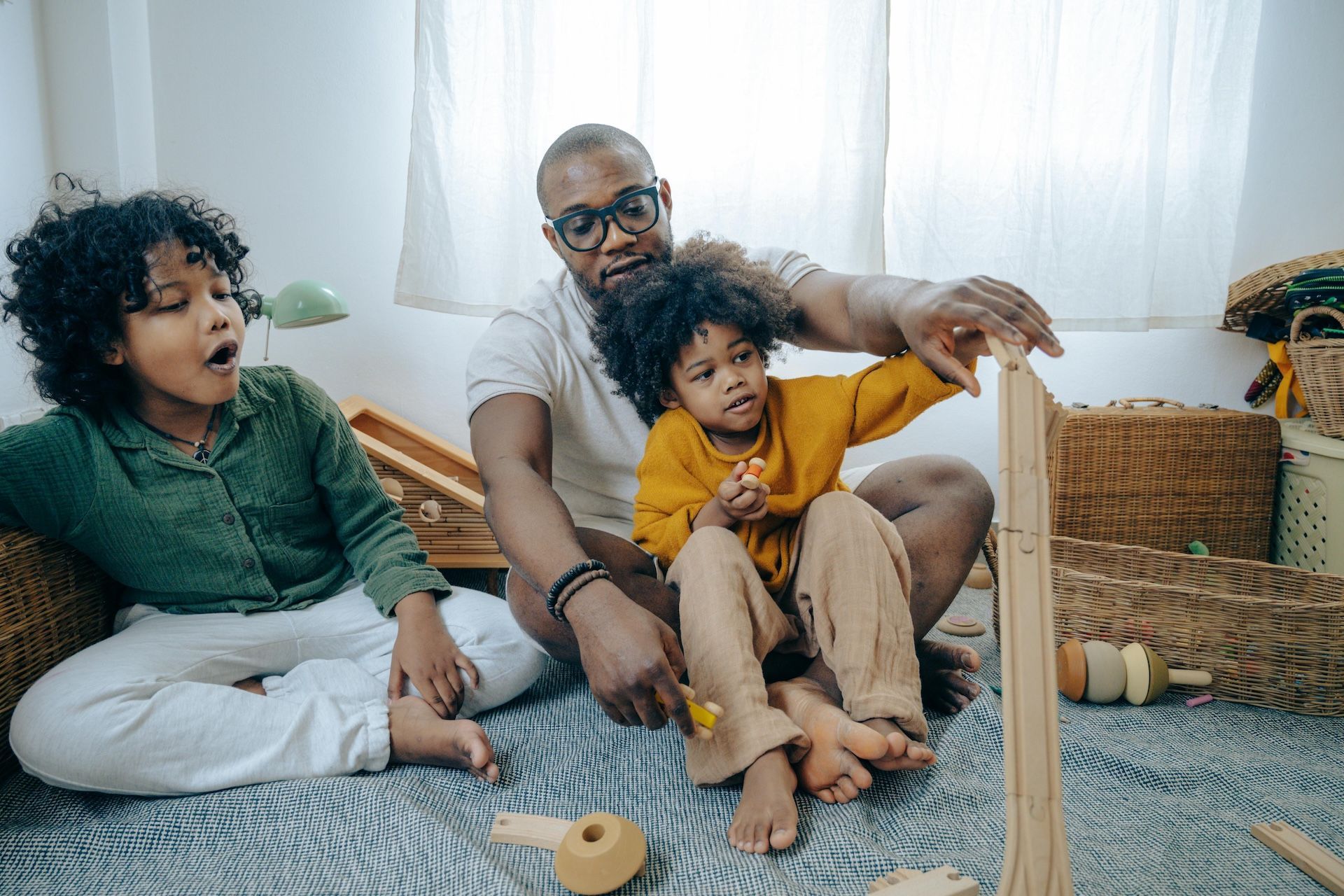
This is something that we can try at home, too. Perhaps your child is throwing their clothes on the floor in a heap. Rather than scold or lecture in the moment, try taking a deep breath and making yourself a little note to remember to circle back to the undeveloped skill. Later, when everyone is relaxed and content, take the time to connect with your child. Let them know you want to show them how to either put their clothes in the laundry basket or fold and store them for later use. Practice these options together. Finally, thank your child for taking the time with you to learn this skill.
Or perhaps you can go over the steps to loading dishes in the dishwasher. Or how to wait for a pause in the conversation. The trick is to observe for the need and wait to give instructions. Children want to do well. Often they just need us to observe, pause, and later take the time to show them how to be successful.
This doesn’t mean that our children will always remember how to do what we’ve shown. Sometimes they’ll need a smile and a gentle reminder. Sometimes they’ll need us to cycle back and demonstrate something again. The key is remembering to observe, rather than reacting in the moment.
The Montessori Approach
Through observation, Dr. Maria Montessori discovered how children’s character is formed through experiences in the environment, how children adapt to their culture, and how children have sensitive periods for acquiring all sorts of important skills.
Observation allows us to provide children with opportunities to become competent and capable. Come observe this for yourself! Schedule a tour today!