Realistic Parenting

When we become parents, we get to experience a range of human instincts we had never imagined previously. We understand on a deep, primal level that we are responsible for the safe and successful growth of our child as they move toward maturity. This is no small task, and sometimes just the thought of what we must do can feel crippling.
Couple that huge
responsibility with the constant influx of parenting advice and information
that we are subjected to today, and the task can seem nearly impossible. Parents are left feeling overwhelmed,
underprepared, and anxious about every little decision. We spend more time with our children and know
more about them as individual people than parents of any other generation, yet
too many of us worry that we are failing them in some way (either once in a
while or more often than that).
We invite you to
step back with us and take a collective deep breath. We want you to know that it doesn’t have to feel
this way.
We want you to know that you are already an amazing parent. If you love your child and genuinely care about their well-being, you are doing a great job.
Here are a few statements that may come in handy, today or some other day:
●That behavior your child has been displaying? It’s probably developmentally appropriate and will change in time.
●That study you read that contradicts with what you’ve already been doing? Take it with a grain of salt; not all scientific information is definitive.
●That advice you’ve been getting from your mother-in-law/friend/stranger in the grocery store? Smile and move on with your day. You know what’s best for your child.
●Those stunning pictures of playrooms you’ve seen on Instagram? Social media gives us a false sense of expectations. It’s not reality. You’re not seeing what’s just outside the frame.
●That must-have toy/book/play structure that will set your child behind if they don’t have it? They will be fine without it.
●The same goes for all those extracurriculars - encourage your child to follow their passions, but they don’t need to have sports, music, language, and art classes in their life all at once.
●That article you read on our blog that makes you feel like you’ve missed the mark somewhere along the way? You haven’t! There is so much information available - some helpful and some not - take the bits that work for you and leave the ones that don’t.
●It is not your responsibility to keep your child happy 24/7. Happiness comes from within, and it’s not normal to feel that way all the time.
●Those moments when you feel like a rotten parent? Well, we all have those moments. The truth is, we all make mistakes, but more often than not we are holding ourselves accountable to unrealistic standards. Sometimes we have to sit with feeling frustrated and uncomfortable, because parenting isn’t always roses and rainbows.
We’re going to go
out on a limb and guess that none of this is news to you. We just want you to hear it from us:
parenting is not a perfect art. There
are no experts. Even those moms and dads
that seem to have it together have their moments!
So, what can we
actually do as parents? How can we raise
our children with mindfulness, love, and gratitude? The key is to just keep it simple. When the days start to feel too hectic and
crazy, dial it back. Find your way back
to joyful living as a family.
Here are a few simple ways to be a great parent without stressing about being a great parent:
1.
Don’t worry about what other
people think
.
So your 5-year-old wants to wear the right side of their hair in a braid
and the other side down and full of sparkly clips to that party at Grandma’s
house? Let them! If someone can’t appreciate the adorable
creative expression, that’s on them. The
same goes for a million other parenting choices that people often feel they
have the right to criticize. They
don’t. If you’re feeling brave you could
politely tell them so, but if not a vague smile and nod goes a long way.
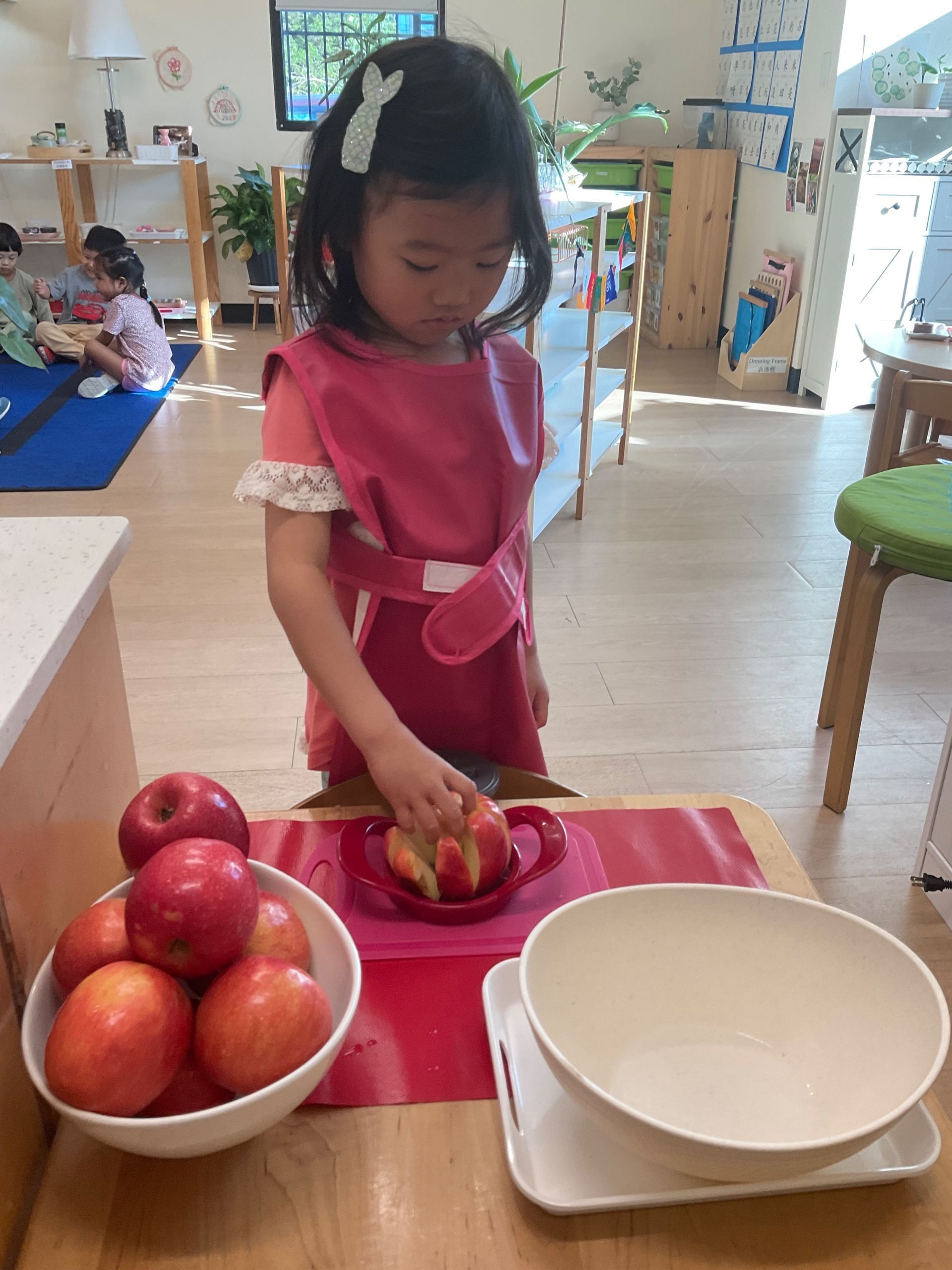
2. Encourage your child to be independent.
You don’t need to be on
every moment. Your child should be able to entertain
themselves some of the time. Of course
the length and duration of time will vary greatly depending on age, but you can
teach them early that they are able to do things for themselves. Not only will this allow you to focus some of
your time on necessary tasks (including that moment to just sit with a piece of
chocolate), but you will be helping your child learn critical skills that will
carry them through the rest of their lives.

3. Lean on your community. You don’t have to do this parenting thing alone. We all need other adults in our village to get us through the tough times and help us celebrate the good ones. Look to your child’s teachers, other parents, or friends when you need them. While we shouldn’t take all the information thrown at us too seriously, we should have people we trust and can turn to when we actually do need advice. Sometimes it can feel empowering just to hear that others are going through similar experiences. If you don’t already have parent friends, make a point to seek some out. Time spent with them will help put everything into perspective.
We hope this article has put a little bit of love into your day. If you need any support on this (or any other) topic, please feel free to reach out. We are here for you.