The Power of Presence: How Adults Shape Learning in the Early Years
Blog description: A child’s early learning is shaped by the presence of the adults around them. This post explores how mindful movement, language, and boundaries support security and independence in the early years.
In Montessori, we often focus on how the environment educates the child, but just as powerful as the physical space is the presence of the adult within it. For children in the first three years of life, adults are not simply caregivers or teachers. We are models of movement, language, emotional regulation, and relationships.
Being present with young children is about being present in a different way.
From Birth to About 14 to 16 Months
Infants are forming their earliest understanding of the world and of themselves. They observe everything! So the adult’s role requires a quiet strength and a deep level of self-awareness.
To be present with infants, we must love without expectation. Infants are not able to return affection in predictable ways, and presence cannot be dependent on feedback or validation. This work requires patience, generosity, and emotional steadiness.
Movement also matters deeply at this stage. Infants study how adults walk, reach, sit, and handle objects. Slow, intentional movement gives children something meaningful to absorb. When adults rush, babies feel it, even if they cannot name it.
Our language, too, must be precise and respectful. Clear enunciation and specific wording help infants build an accurate internal map of their world. Vague language like “that” or “over there” offers little clarity. Instead, we want to name what we see and what we are doing: “I am placing the cup on the table.”
Infants cry as their primary form of communication. Being present means responding without panic or frustration, and making thoughtful decisions even when there are multiple demands on our presence. Emotional regulation in adults becomes a sense of emotional safety for the child.
Dynamic Toddlers
As children grow into toddlers, our presence still needs to be very intentional, yet it also becomes more dynamic.
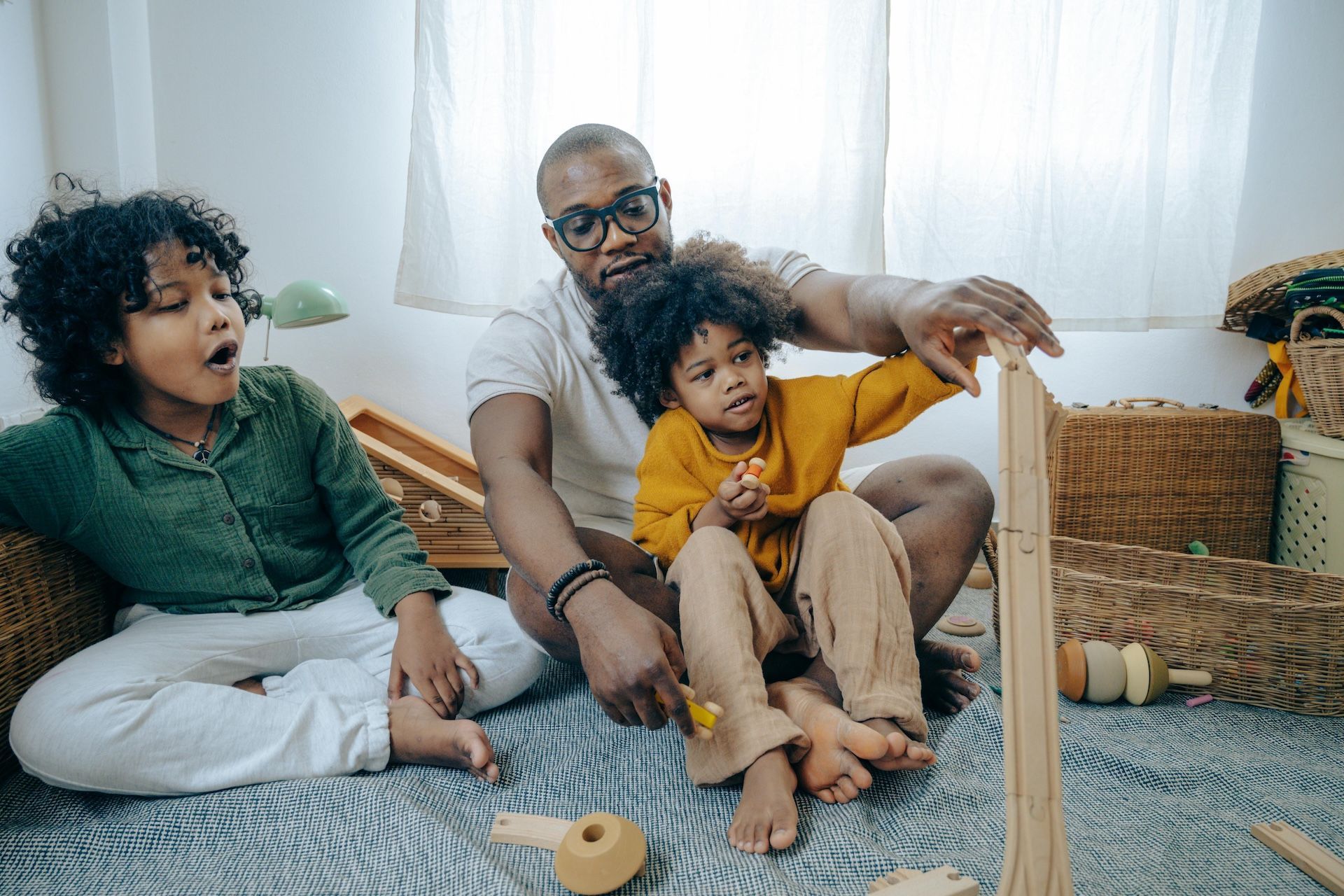
While toddlers are building independence, they still need deep connection. For adults, this means remaining loving without demanding affection or closeness. Even physical affection requires consent: “Would you like a hug?” or “Do you need some comfort?” Respecting children’s autonomy builds trust and self-awareness.
This stage is full of transitions, especially for children navigating new siblings, new communities, or a growing awareness of others. Sometimes toddlers want to be capable and independent. Then sometimes they want to be cared for like a baby again. Presence means honoring both without pushing the child prematurely in either direction.
Limits are a key expression of presence. Clear, consistent boundaries create structure, and structure supports independence. A few simple rules, maintained calmly and consistently, help children orient themselves in the world.
If power struggles emerge, we can use them as opportunities to reflect on control rather than behavior. If children have tantrums, presence means staying close without escalating. During the height of anger or upset, we may simply ensure safety. When a child moves into sadness or overwhelm, we can offer comfort and reassurance. The goal is not to stop the tantrum, but to support a child through it.
Flexibility is another essential part of presence. Although routines give children a sense of security, rigidity can disconnect us from their real needs. Sometimes the best choice is to go outside, to move, or to shift the plan. When children feel secure, they can adapt, and so can we.
Finally, presence means embracing life alongside children. Young children notice the world with fresh eyes. Weather, seasons, light, and movement all become sources of joy and wonder. When we allow ourselves to feel awe again, children experience validation that life is something rich and meaningful.
Our Inner Work
Being present with young children is demanding, not because of what children require, but because of what we must bring: patience, humility, emotional regulation, and a willingness to slow down.
This work invites us to become more aware of ourselves: our language, our pace, our reactions, and our assumptions. In doing so, we offer children not just care, but a living model of how to be human in relationship with others.
Presence is not perfection. It is mindful attention. And for young children, that attention becomes the foundation upon which everything else is built.
Please visit our school in Austin, Texas to learn more about how we think about the role of adults in children’s learning environment!