10 Minutes That Change Everything: The Power of Special Time with Your Child
Discover how just 10 minutes of “Special Time” can transform your child’s behavior and strengthen connection through love, presence, and play.

Our children are particularly sensitive to changes. Whether something as seemingly small as picture day, or as major as a new sibling, our children feel the energetic shift, and we may see resulting (and perhaps frustrating) changes in their behavior.
The irony is that when our children are acting their worst, they need our love the most. A strategy for handling these kinds of challenges is to set aside “Special Time.”
Special Time is a proactive way to strengthen our relationship with our child. During this time, our role is to be fully present, with no distractions or multitasking. No phone, no dishes, no “just a quick text.” We are giving our child undivided attention and pouring in love, delight, appreciation, and a bit of extra enthusiasm.
We choose when it will happen and how long it will last (it works to start with just ten minutes), and our child chooses what you do together. Yes, this is child-led!
Practical Tips
During Special Time, we follow our child’s lead and play whatever they choose. Be sure to play anything they want during this time and commit to the time together. Children love this special time, and they tend to choose the activity we least enjoy! If this is the case, remember it is only for a short duration. Even a short burst of undivided attention helps children feel secure, valued, and deeply connected. And when children feel connected, they are more cooperative with us and each other.
A timer is essential. Why? Because our child may come up with some big, wild, or noisy ideas! Ten minutes of mess or silliness is easier to embrace than an hour. The timer helps us be all-in, and it reassures our child that this time is both precious and reliable.
If you have more than one child, you’ll want to find ways to protect this one-on-one time. Some parents stagger bedtimes or wake-ups. Others enlist a partner, sitter, or neighbor to help. Sometimes screen time is a perfectly reasonable tool for protecting Special Time with another sibling. With just a little creativity, ten minutes really can fit into the rhythms of family life.
How to Begin
Introduce it. Explain that you’ve learned about a new way to spend time together called Special Time. Commit to doing it every day for the next five days, for ten minutes each time.
Announce special time with joy. When it’s time, say, “It’s time for Special Time! I’m setting the timer for ten minutes, and we can do whatever you want!”
Follow their lead. Join their play. If you’re not sure what to do, sit at their level, smile, and stay present. Sometimes your attention is all they need.
End with affection. When the timer rings, wrap up warmly. A hug, high five, or smile is perfect. Follow what feels right for your child.
Why It Matters
Special Time builds trust, connection, and joy. It gives children the message that they are worthy of our time and attention, not just when they need correction or help, but simply for who they are.
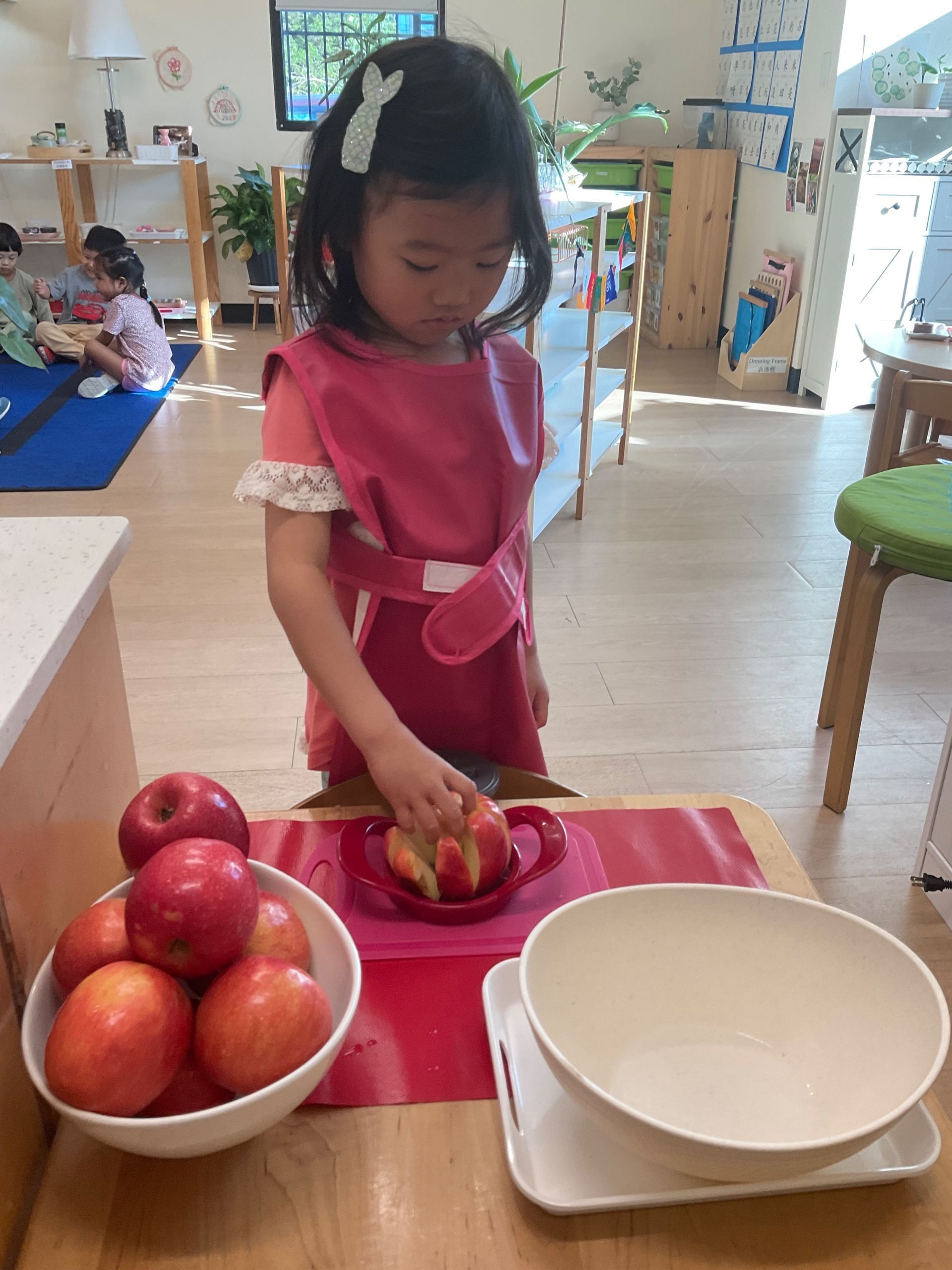
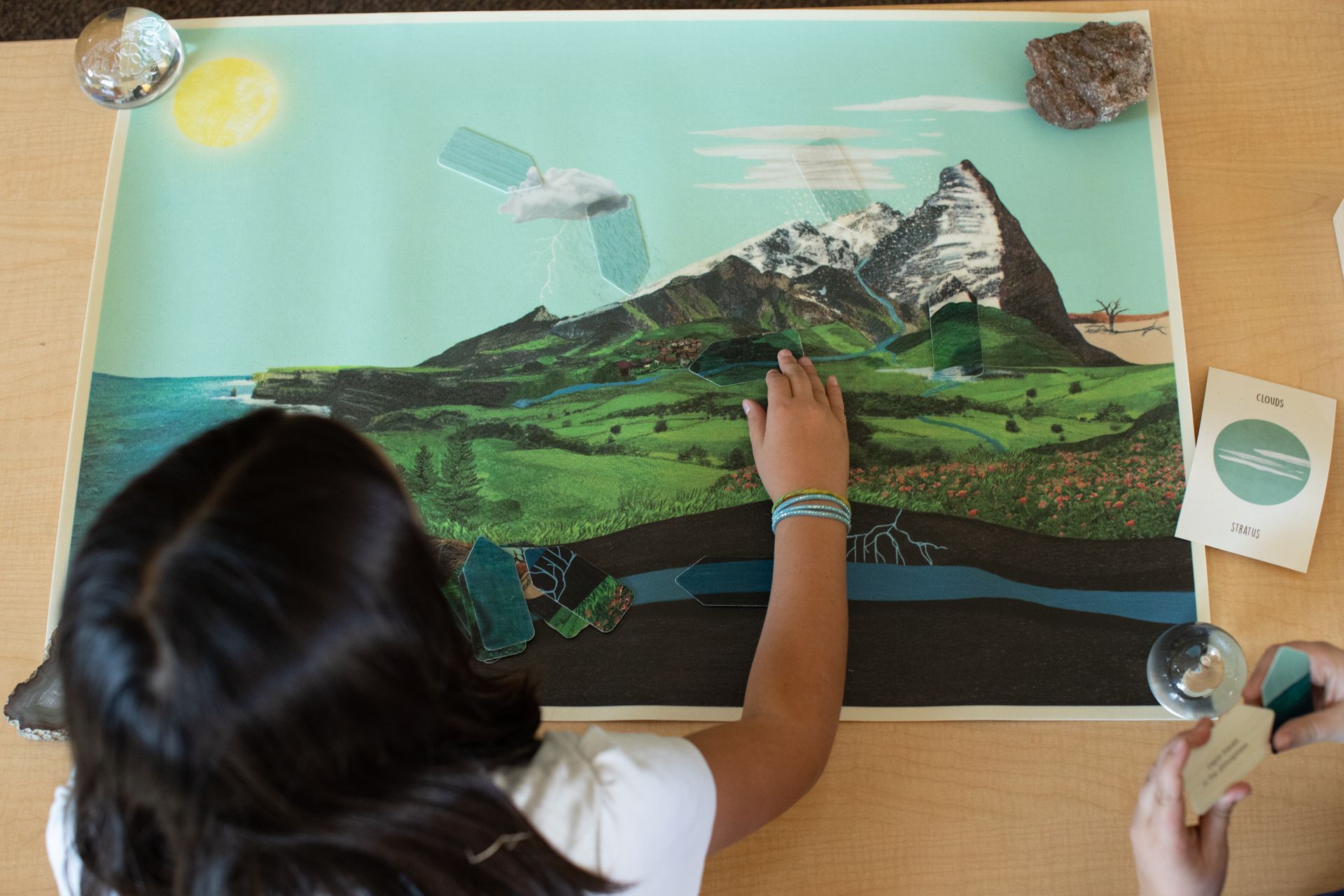
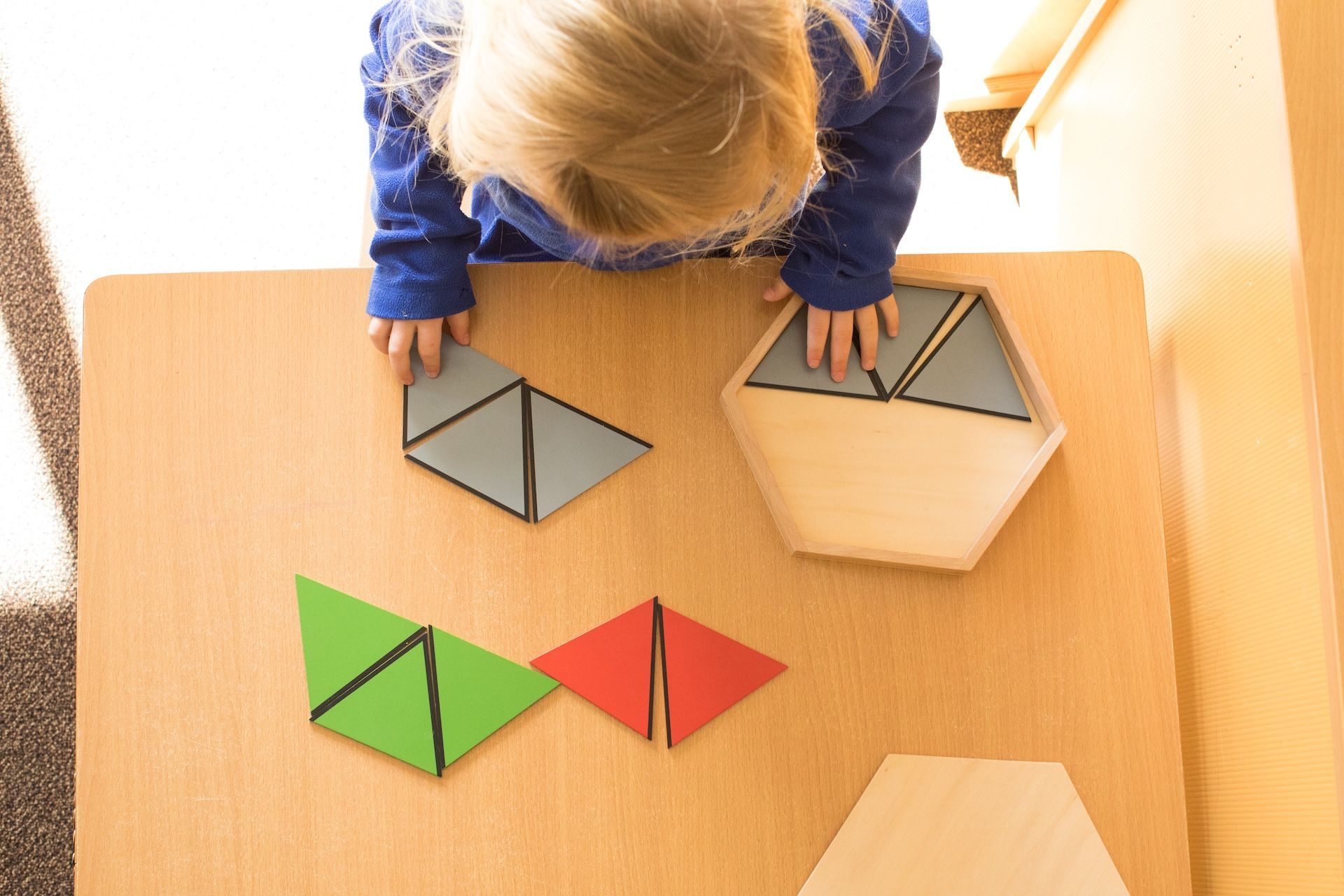
From a Montessori perspective, this practice aligns beautifully with the principle of following the child. In Montessori environments, children thrive because adults prepare the space and then step back, allowing the child’s choices to drive the activity. Special Time brings that same spirit into your home. It tells your child: I see you, I delight in you, and your choices matter.
We often talk about independence, but true independence rests on a foundation of strong, loving relationships. By offering these short, intentional moments, we help our children feel secure, valued, and confident in their choices. These qualities then serve our children in all areas of their growth.
Try this today! Set the timer for ten minutes, follow your child, and see what unfolds.
If you want to learn more about how positive relationships boost closeness and cooperation, set up a time to see our school here in Austin, Texas.