Creating a Prepared Environment (at Home, too!)
Discover how a Montessori prepared environment—at school or home—supports independence, peace, and purposeful activity through thoughtful design.
When Dr. Maria Montessori spoke of the prepared environment, she wasn’t just describing a beautiful classroom filled with child-sized furniture and neatly arranged materials. She was describing a space that nourishes the whole person, a place designed to meet children’s developmental needs, spark curiosity, and invite purposeful activity.
A Montessori prepared environment is a place designed for children. And the design deeply respects children’s natural drives, including their sensitive periods for learning, their human tendencies, and their desire to move, explore, and belong. The idea is to create a place where children can feel at home while developing both their inner selves and outer skills.
When thinking about the prepared environment, we consider three essential parts: the adult, the community of children, and the physical environment. Together, they create a living, breathing ecosystem that supports growth, harmony, and joy.
The Adult: The Protector and Connector
Dr. Montessori described the adult as both the preparer and the protector of the child’s world. In the classroom, guides carefully set up the environment, observe the children, and make thoughtful adjustments. At home, parents and caregivers can play a similar role.
We prepare ourselves to see the child with fresh eyes, to notice what they are drawn to, what frustrates them, and what challenges inspire them. We prepare the space to meet their developmental needs and safeguard it by maintaining order, calm, and respect. Most importantly, we protect children’s concentration.
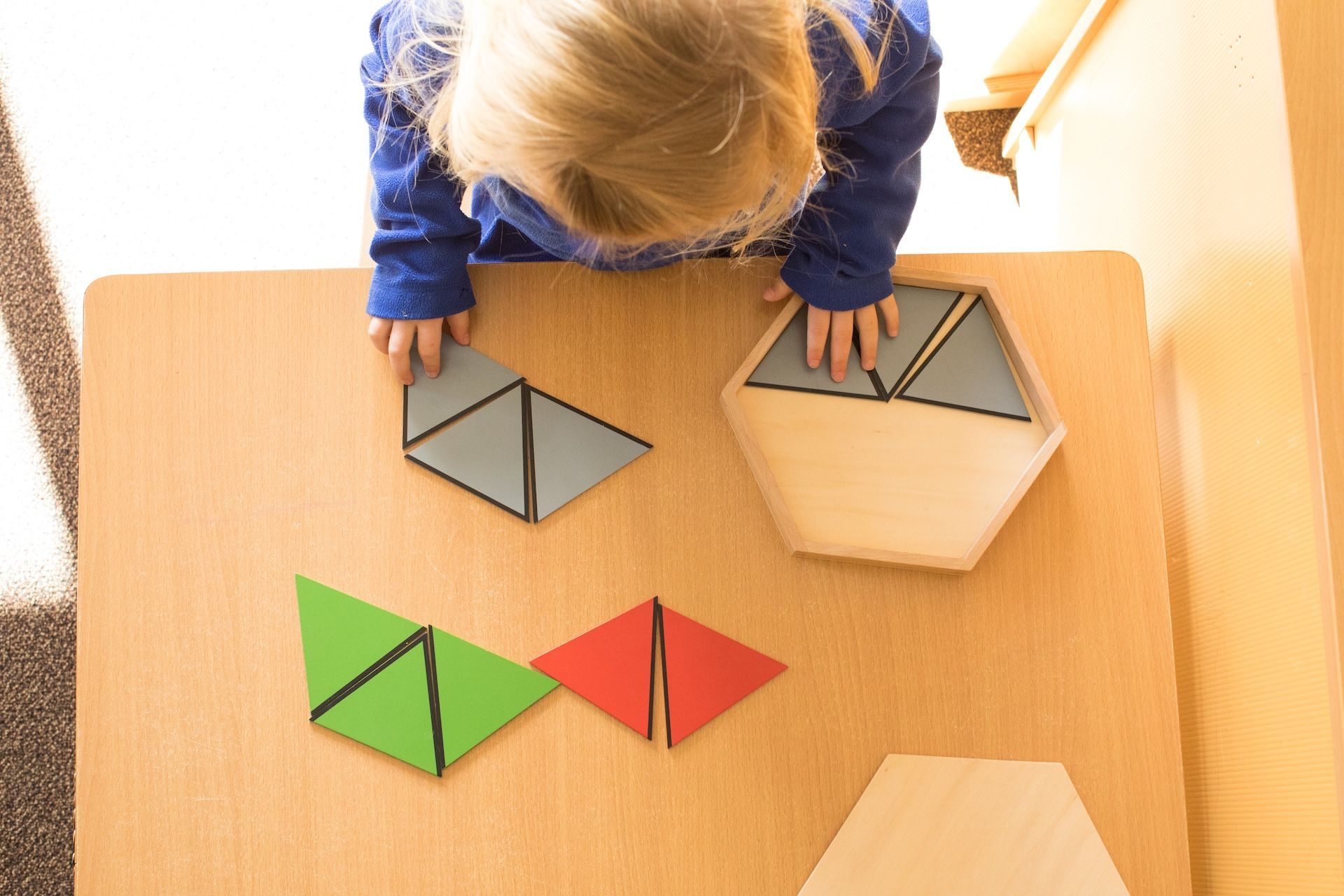
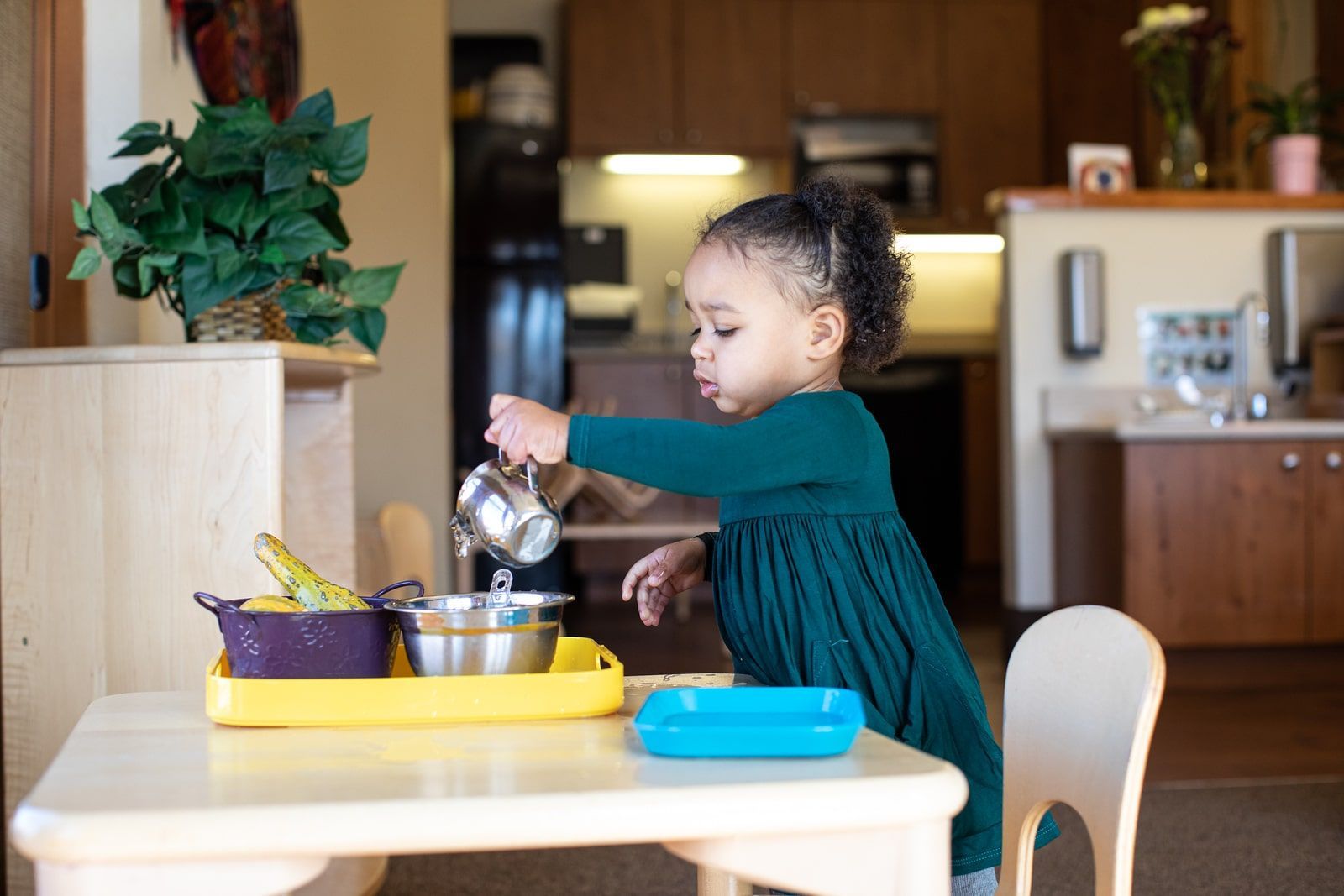
Consider this when your child is deeply focused, whether on pouring water, drawing, or building. Try to pause before stepping in. That moment of absorption is sacred. It is your child constructing their own self.
At Home Examples
Observation before intervention: Your toddler struggles to put on shoes. Instead of jumping in, take a breath and watch. Offer help only if asked, or suggest, “Would you like help, or would you like to try again?”
Protect calm: When your home feels chaotic, try to simplify. Fewer toys, fewer interruptions, and a predictable rhythm of the day can create the peace children need to explore freely.
Reflection
- Do I allow my child enough time and space to work things out independently?
- How can I simplify our routines or spaces to make daily life calmer for everyone?
The Community of Children: Learning Through Living Together
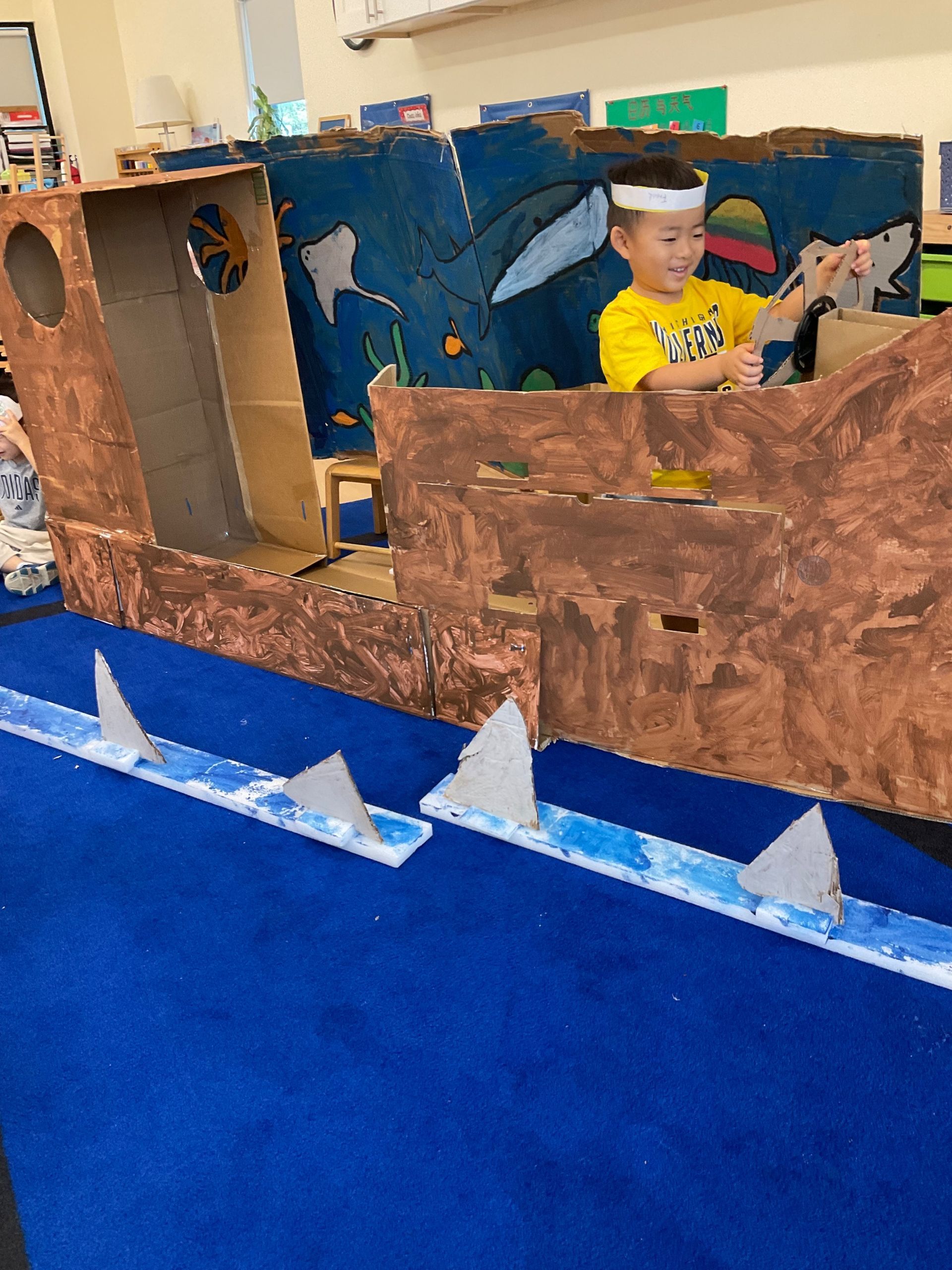
Montessori environments thrive on the energy of mixed-age communities. Children learn from one another through imitation, conversation, and collaboration. A child who sees another tying a bow or cleaning up a spill is motivated to try it too.
At home, even if there’s only one child, the community still matters. This sense of togetherness can include siblings, cousins, neighbors, or even the larger community through friends at the park, children’s classes, or family gatherings. Through these interactions, children learn cooperation, empathy, patience, and the joy of helping others.
At Home Examples
Siblings as teachers: A five-year-old shows a younger sibling how to water the plants. The older child gains confidence and pride, while the younger feels included and capable.
Community beyond family: Involve your child in simple acts of connection, like dropping off cookies to a neighbor, feeding a friend’s pet, or helping with a family meal. These are all part of the child’s social education.
Reflection
- How does my child experience community day to day?
- Are there ways to include my child more meaningfully in family routines or community life?
The Physical Environment: A Space That Invites Activity
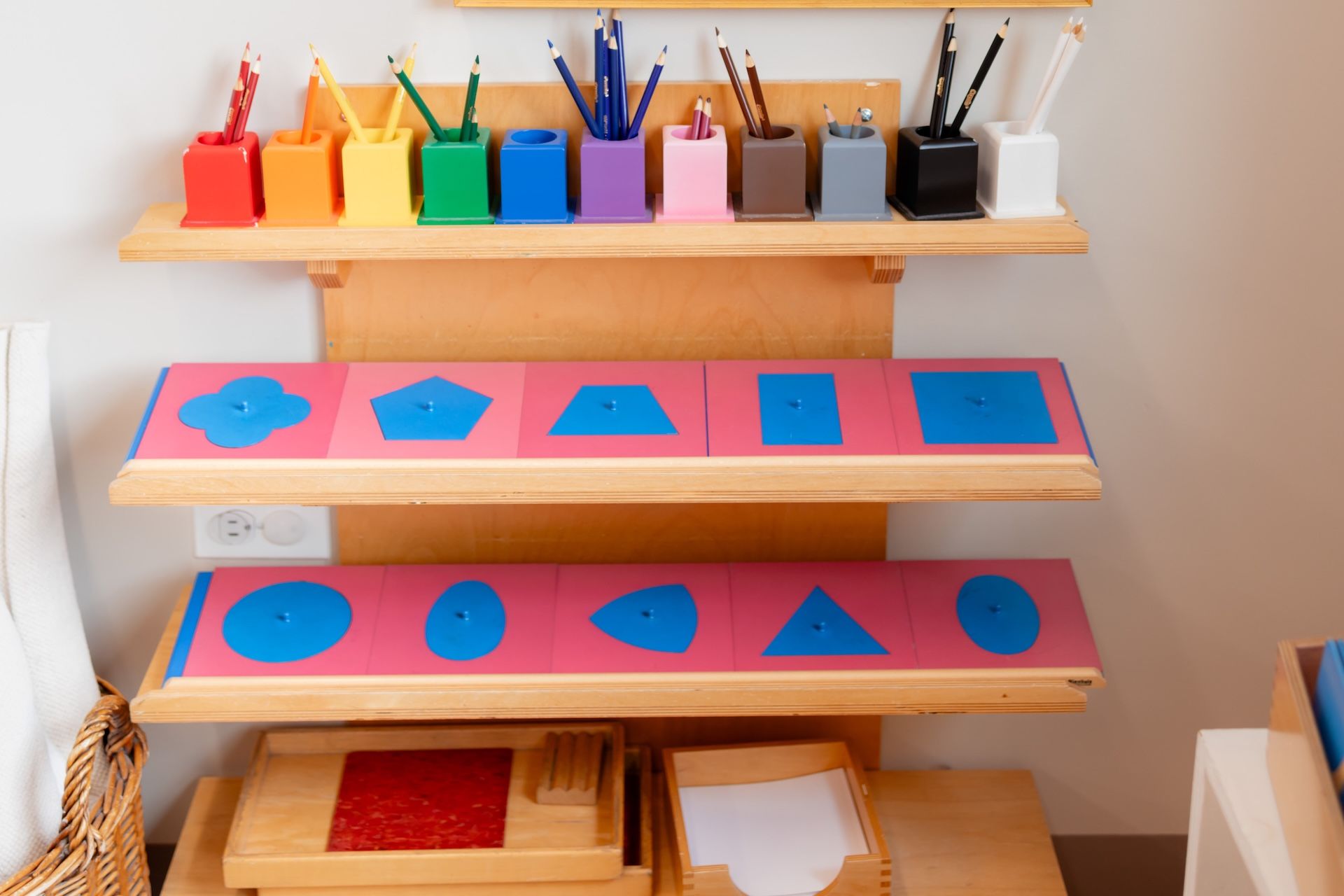
The physical environment is what most of us picture first, maybe a beautifully ordered space filled with child-sized tools and thoughtfully chosen materials. But Montessori reminds us that the environment is not meant to be decorative. It must be useful and alive.
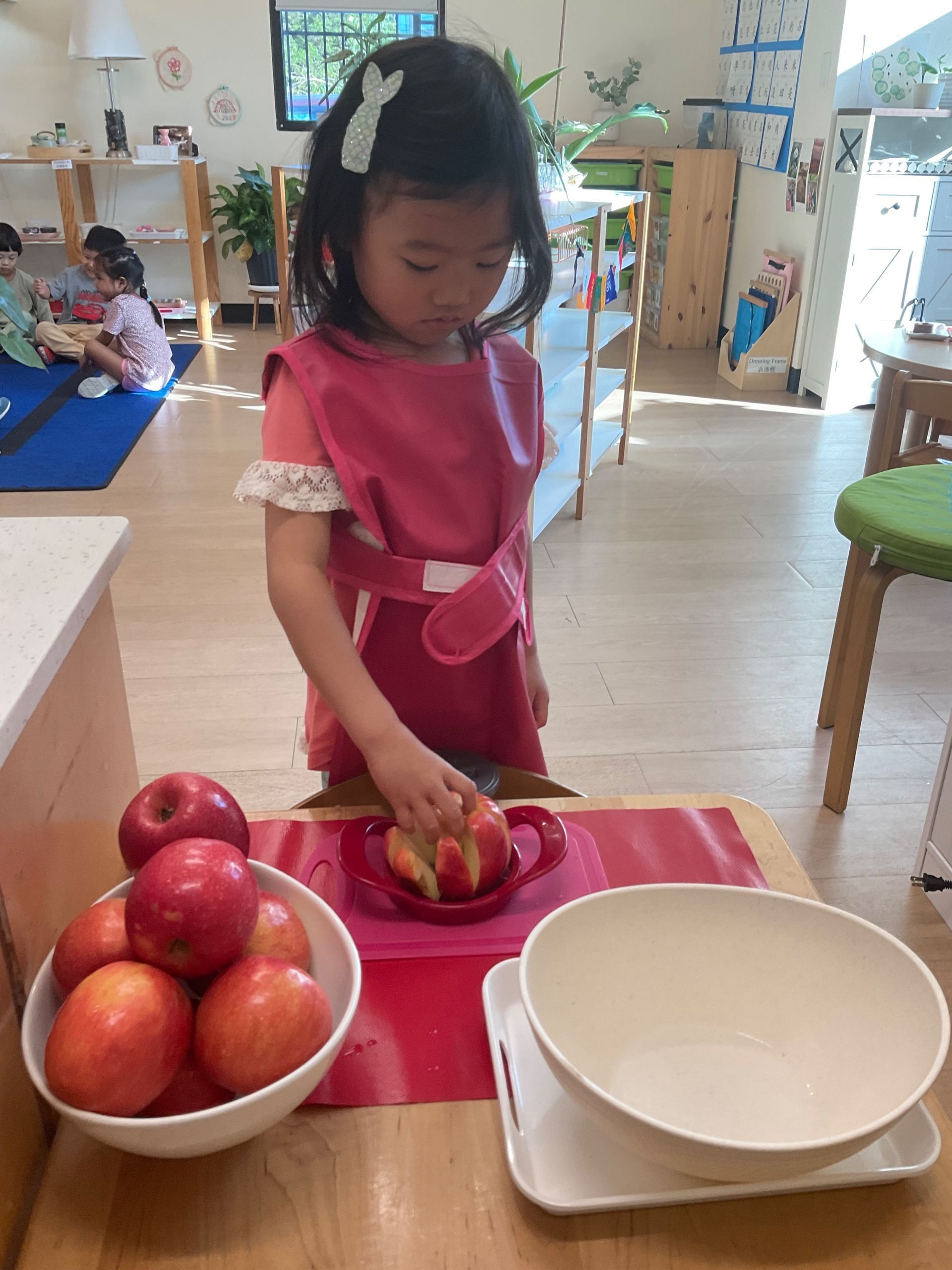
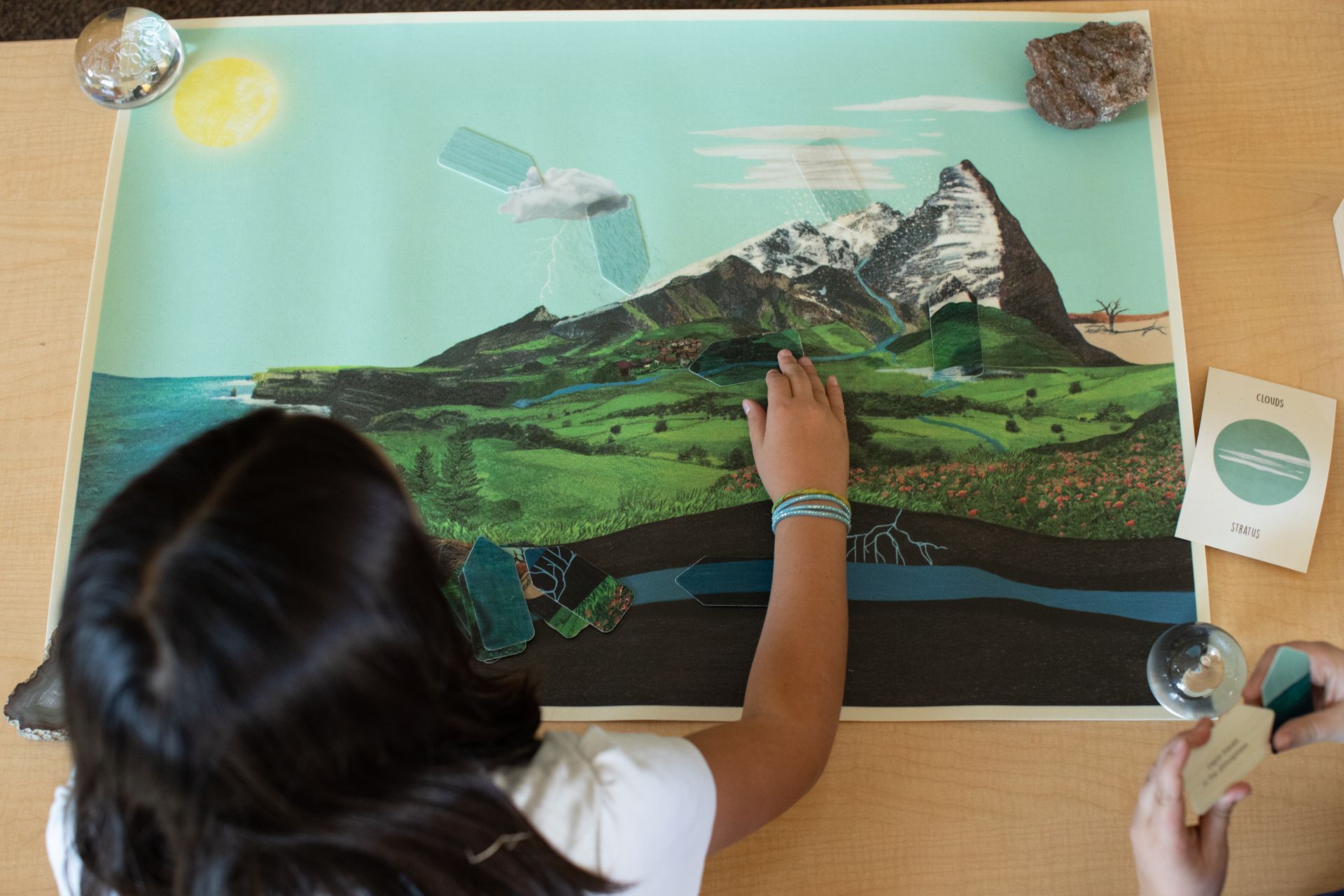
A true prepared environment offers motives for activity. The materials and tools invite movement, care, and exploration. The space should be free of clutter so that children can see, choose, and act independently. Too many toys or too much decoration can overwhelm rather than inspire.
At Home Examples
Practical independence: Provide a small jug of water and a cloth within reach so your child can pour a drink or wipe a spill without help.
Accessible order: Have hooks at child height for coats, a low shelf for shoes, and one tidy space for toys or books.
Beauty and simplicity: A sense of calm that welcomes your child to explore can be as simple as a small vase with a flower your child arranged, or a few carefully chosen books displayed face-out.
When children have the freedom to act in such an environment, they grow in confidence, coordination, and joy.
Reflection
- Does our home invite my child to participate, or does it rely on adults for everything?
- What small changes could make our spaces more functional, beautiful, and child-centered?
The Intangible Environment: The Spirit of the Space
Beyond furniture and materials lies something harder to define, yet something children feel deeply. The intangible environment is the emotional and spiritual atmosphere.
It is the feeling of peace that comes from order, kindness, and beauty. It’s the sense of belonging that grows from love and respect. Dr. Montessori wrote that we must “give the best to the youngest.” This means not only lovely things to look at, but a place that feels safe and inviting, a space where mistakes are welcomed as part of learning.
At Home Examples
A small reading nook with a soft blanket and natural light, where your child can rest or read quietly.
Gentle background music or birdsong instead of television noise.
Family rituals, such as a candle lit at dinner, fresh flowers on the table, a kind word shared at bedtime, communicate beauty, reverence, and love.
Reflection
- What does the “mood” of our home feel like?
- Does it reflect calm, beauty, and respect or is it hurried and overstimulating?
- How can we make small changes to bring more peace and warmth into our family’s daily rhythm?
Creating a Place Where Children Can Become
In the end, the prepared environment, whether in a Montessori classroom or your own living room, isn’t about furniture or materials. It’s about meeting children’s developmental needs with respect and love.
Come visit us here in Austin. to see how we prepare the environment with care, help children become their best selves, and send the message: “You belong here. You are capable. You are trusted.”