How to Raise a Resilient Child
Resiliency, or the ability to recover after periods of hardship or difficulty, is a critical skill for us all to have. There are so many factors that contribute to a person’s resilience, and it can be nurtured and strengthened at any age. In this post we take a closer look at how parents can help their children develop this important ability. (The good news is, you’re already doing at least some of it!)
Making Connections
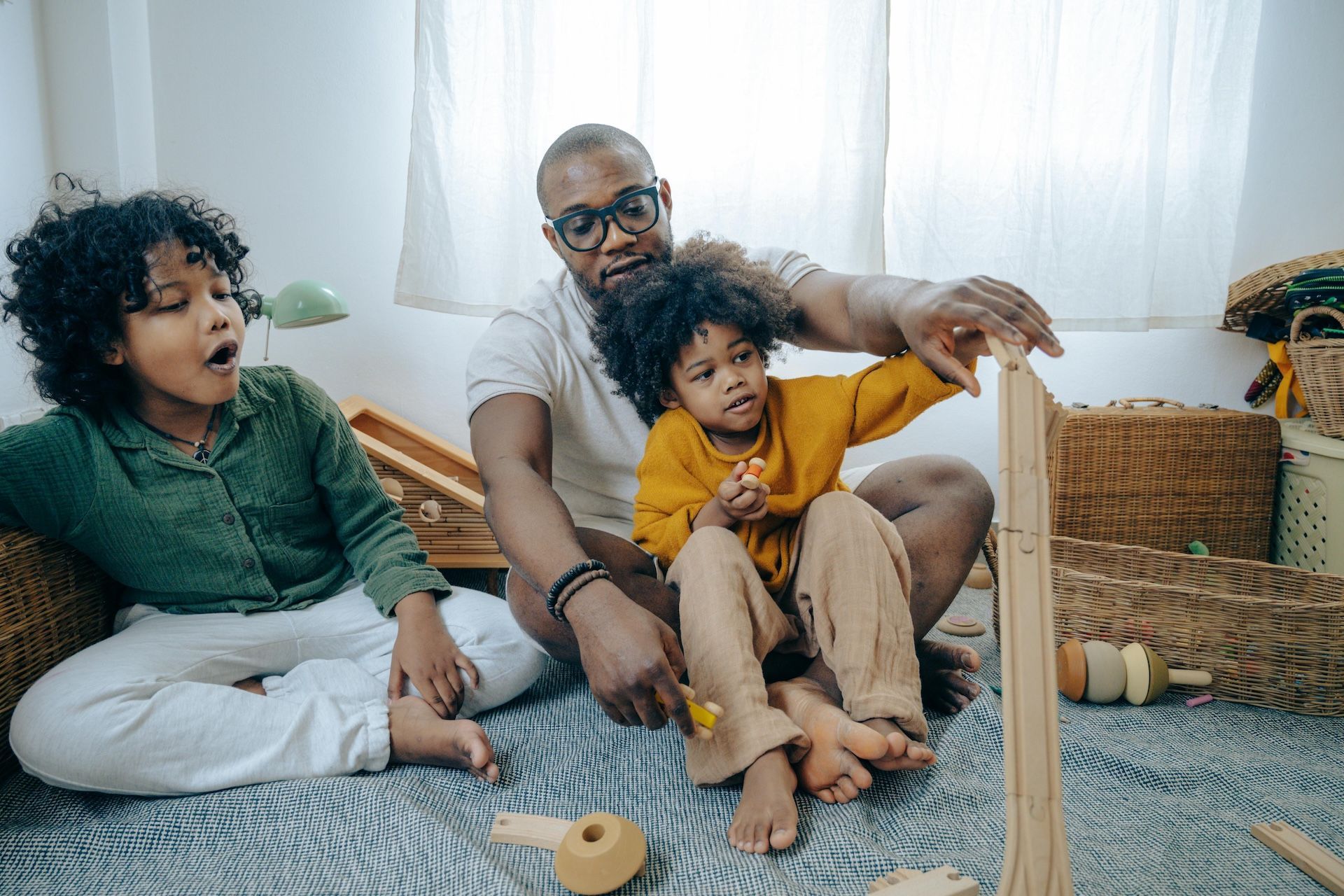
Multiple researchers have concluded that one of the most important factors in a child’s ability to develop resilience is the connections they have with the adults in their lives. Even if a child has just one, stable, caring adult in their life that supports them no matter what, their ability to be resilient increases greatly.
Making other connections helps, too. It’s great for kids to learn how to form positive social interactions with adults other than their parents, as well as with their peers. We learn so much from the people around us, and having others to celebrate your victories with and to lean on when times are hard helps us all to bounce back.
Offer Choice Within Limits
Of course we’d say this! And it’s true...having a sense of autonomy and independence, while also feeling safe within the boundaries defined by a caring adult is a great recipe for success.
Children need structure. They need routines. They need to know what to expect. They need to have the feeling of security that comes with consistency. It takes a lot of hard work on the part of us as parents, but it is so important that we create these structures so that our children may explore their independence and autonomy within them.
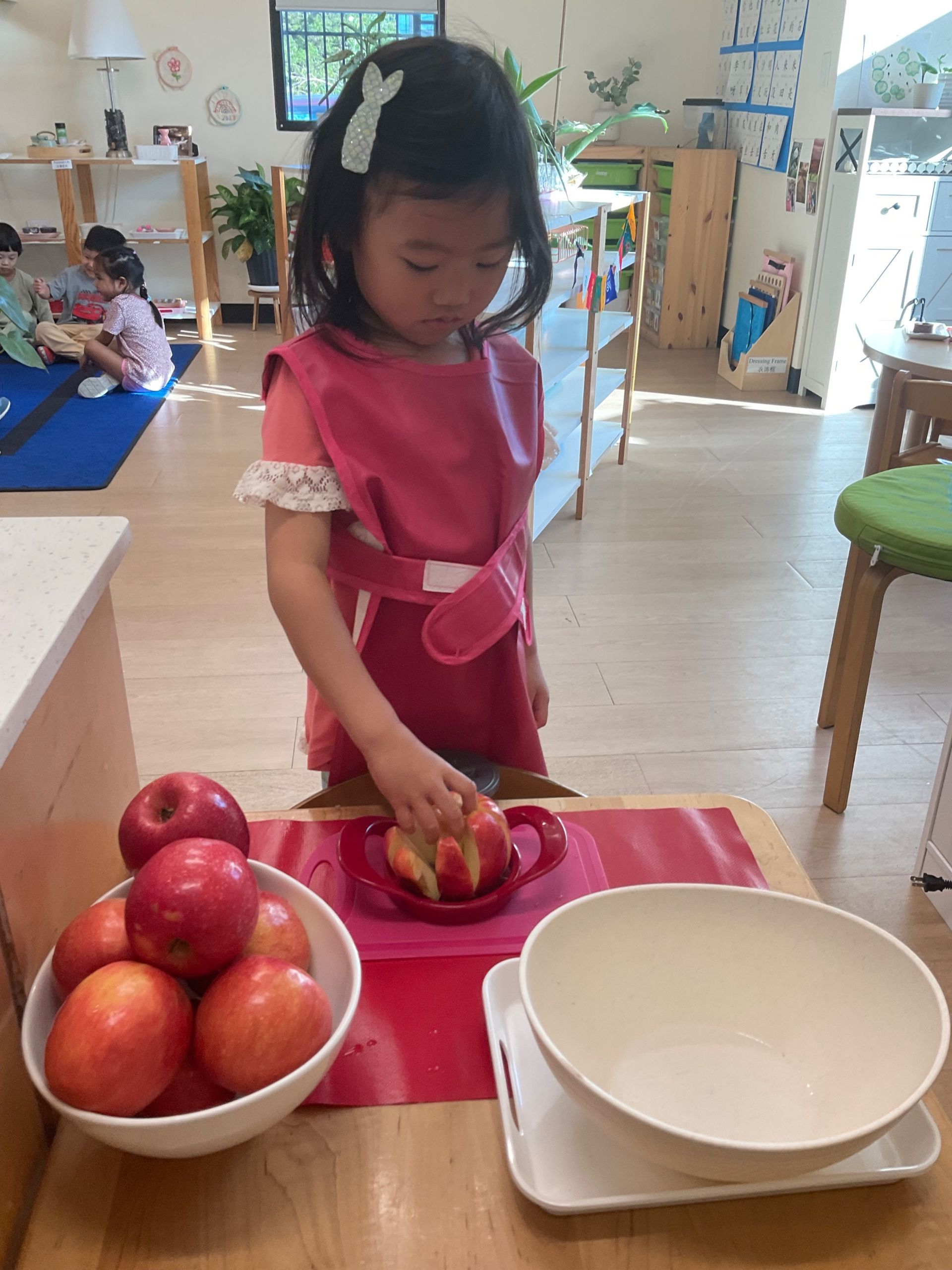
As for the choice part? This can be seen in so many different ways. Kids can pick out their clothing, have input on what to eat, and be part of family fun-time decision making. They need to have the sense that they are in control of themselves. That sense of control helps to build confidence that will be immeasurably helpful in the future.
What might this look like?
- Let your toddler pick out what color pants to wear.
- Ask your preschooler whether they would rather brush their teeth or put their pajamas on first.
- Let your elementary-aged child pack their own lunch - after you teach them what types of foods are needed for proper nutrition.
- Remember that your adolescents who are begging for independence are also secretly craving boundaries; each child is different but make sure you are clear about what limits are important.
Have Fun!
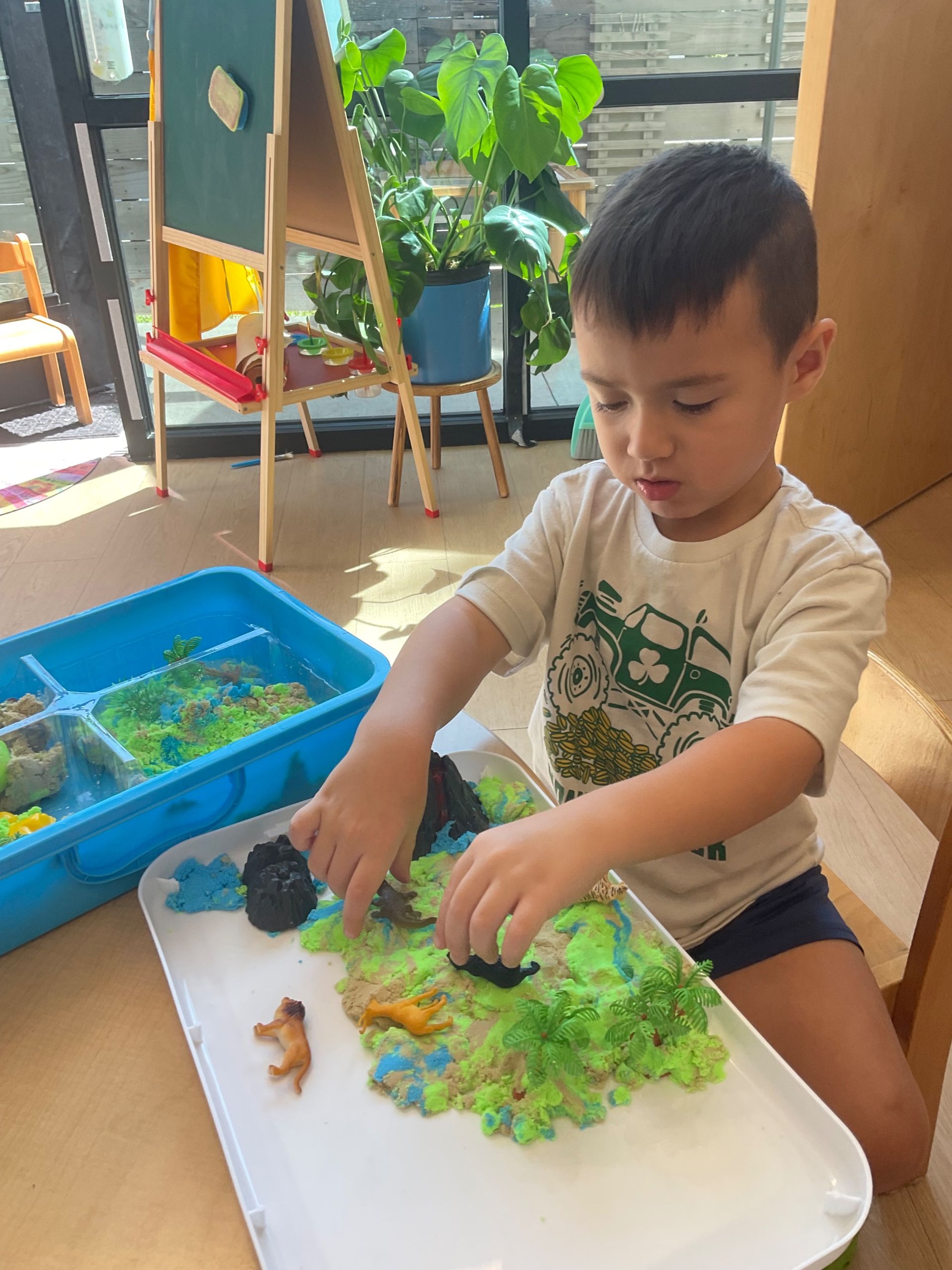
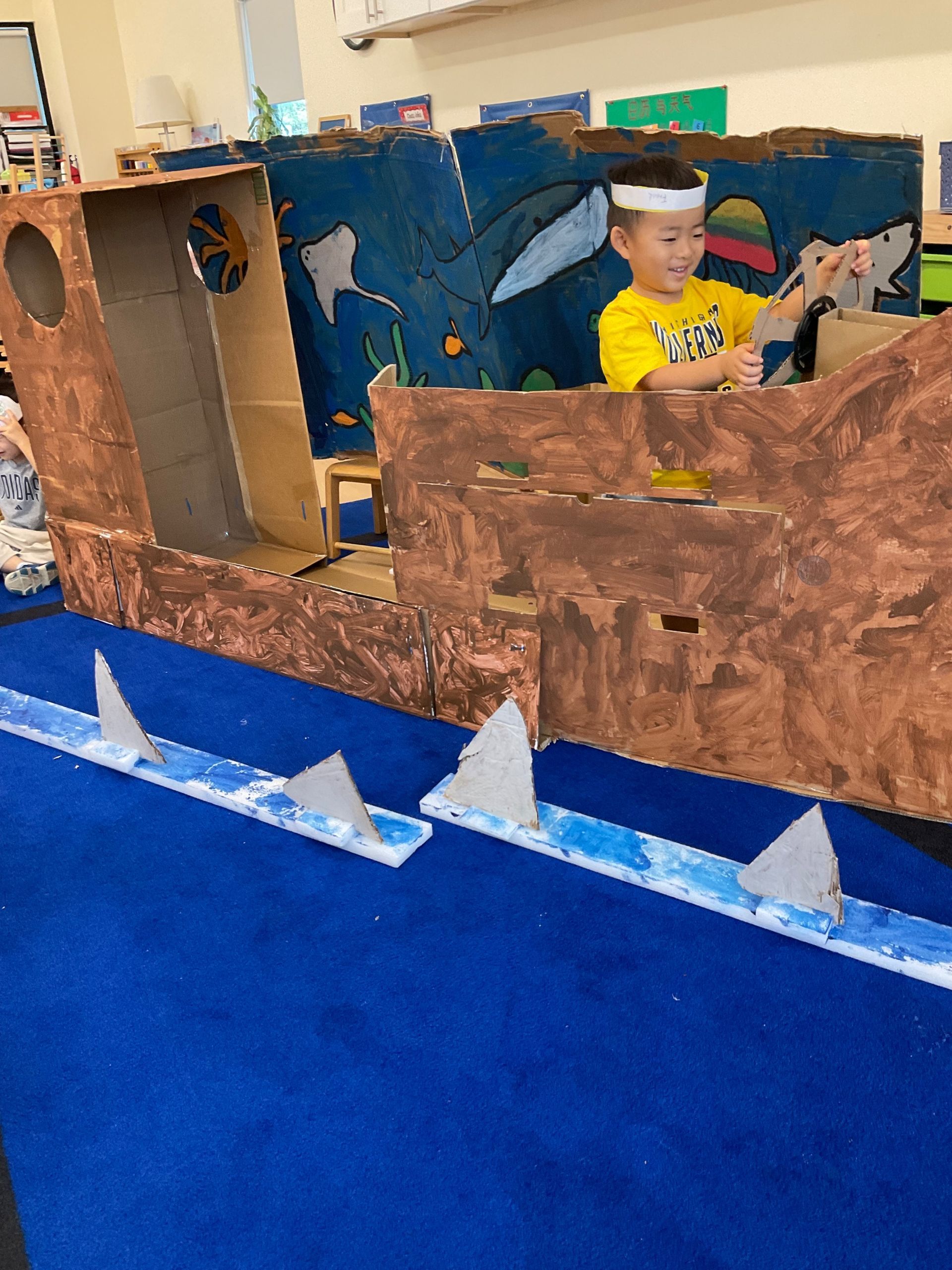
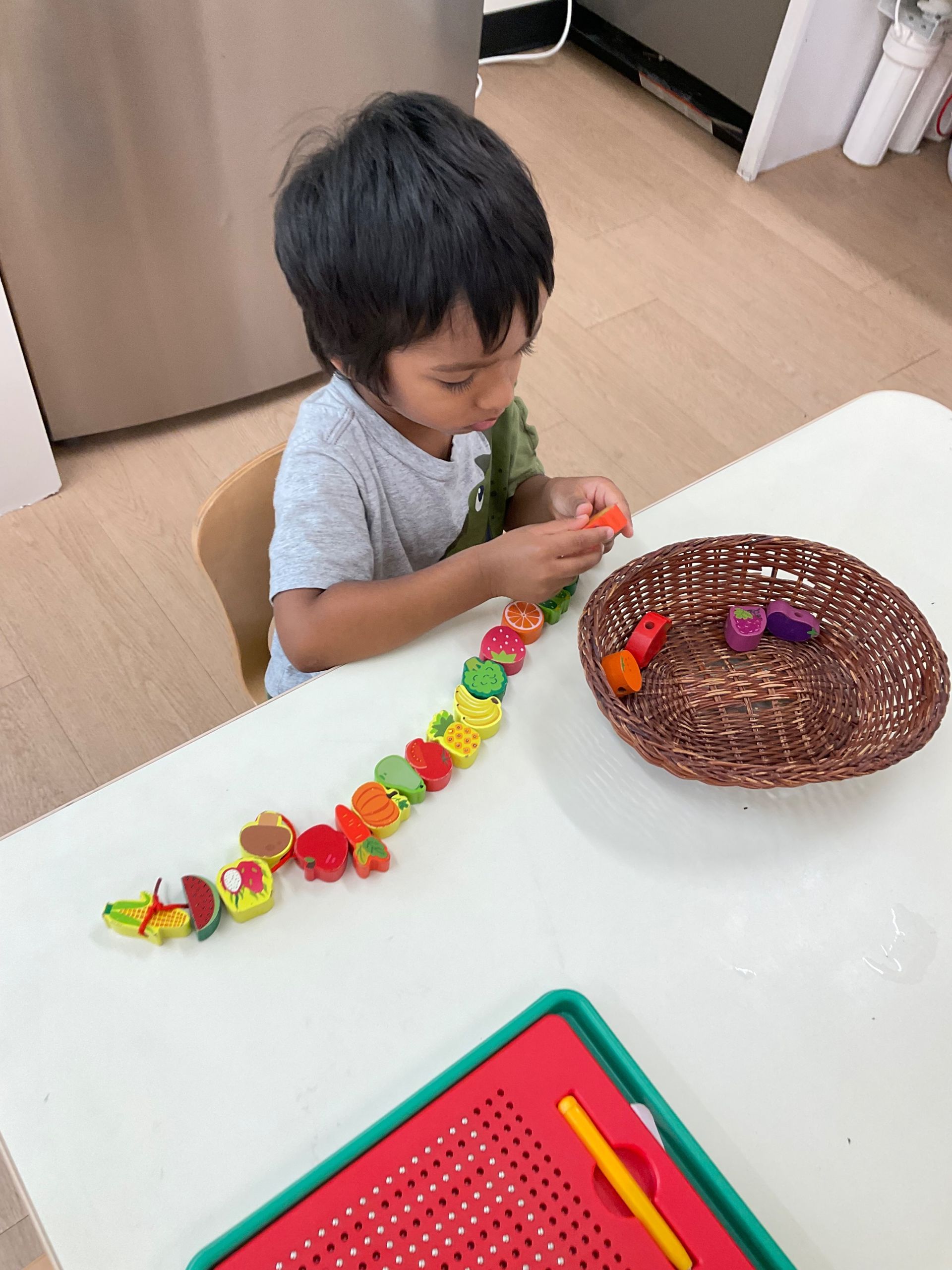
At least one study found that a cognitively stimulating environment benefited children in the development of resiliency. Some quick ideas:
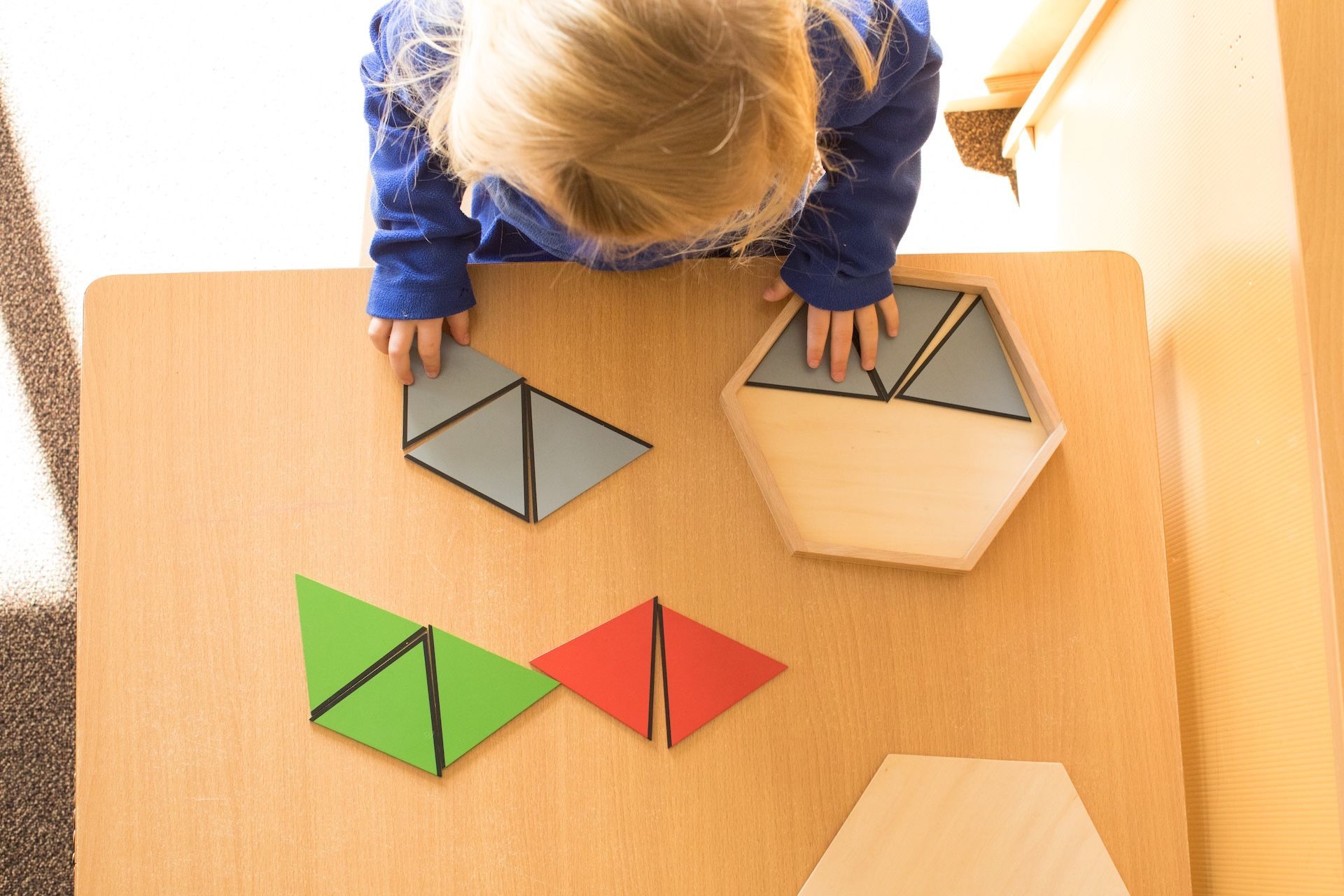
- Provide developmentally appropriate puzzles and board games
- Building toys (blocks, Legos, marble runs, etc.) are great for all ages
- Incorporate music into your home life
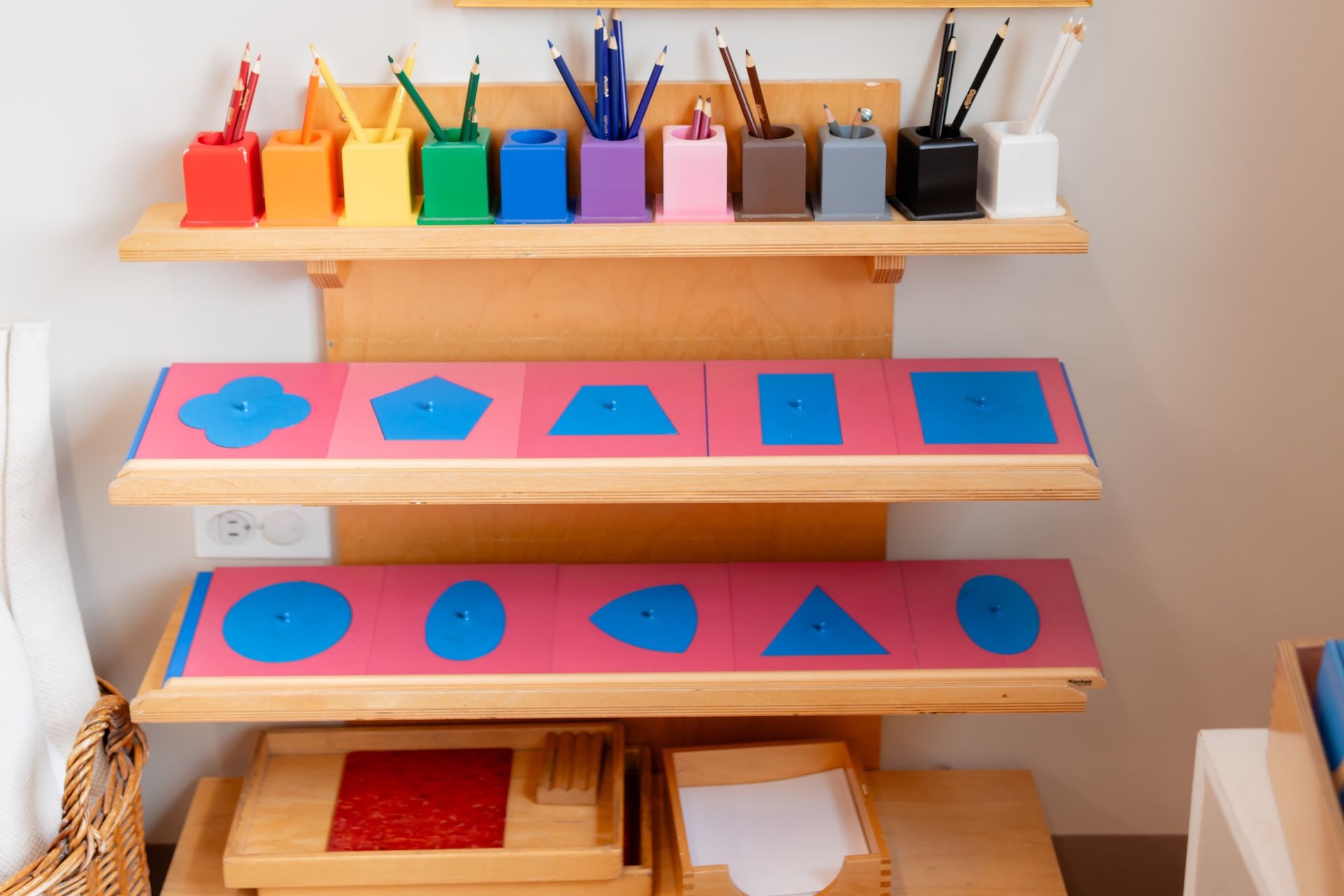
- Have some basic art supplies available
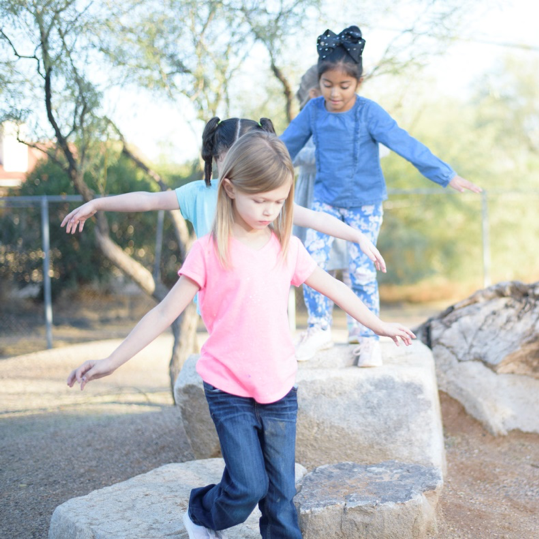
- Make physical activity fun and frequent
Stay Positive
Children who are able to frame life in a positive light are much more apt to be resilient, and positivity is best learned through modeling. If you are positive, your child will likely be as well.
This can be challenging during prolonged periods of stress, which every family is likely to experience at some point. Even during those times, find little ways to reflect on gratitude. One simple way is to emphasize the importance of a family dinner, and to each share something positive about the day. Even at the end of a bad day, a moment of reflection can help remind us all what we have going for us.
Teach Skills Proactively and As the Need Arises
What helps you stay afloat? Whether it’s exercise, deep breathing, meditation, hobbies, or staying in touch with friends (or probably a combination of many things), teach your child these skills. Taking time to care for ourselves is critical, and should be taught when children are young.
As your child gets older, you may notice specific needs arising. Address these as they come up, although sometimes it’s best to wait for a calm moment.
Remember, one of the most important facts in cultivating resilience is that a child has an adult in their life that consistently supports them. You’re already there, and you’re already doing that. We are so grateful for the amazing families in our community.
Do you have any more ideas you think we should share with families?
Want to learn more? Check out these great links:
Resilience in children and youth: A review
Fostering Resilience in Children. ERIC Digest.
Center for Developing Child - Resilience
Resilience guide for parents and teachers
Warm regards,
Candice Lin, Director