Montessori Perspectives on Children’s Social Growth After COVID
Montessori perspectives on post-COVID social growth: resilience, patience, and meaningful opportunities for connection.
Since the pandemic, we can find ourselves carrying new or heightened worries about our children’s social lives. We can have concerns about whether our children “lost time” with peers during critical developmental years. Or maybe it’s worry about shyness, reluctance in groups, or how screen time may have replaced face-to-face play. Even now, long after schools and activities have reopened, it’s common for anxiety to surface: Is my child making enough friends? Are they socially behind?
Why We Feel This Way
The truth is, these concerns are natural. COVID disrupted our social connections, and children being with other children is an important part of childhood. For months (and for some even years), daily opportunities to share space, work through conflict, and experience the joy of play were limited. Add in the reality of increased screen use, the culture of comparison amplified by social media, and children who may show hesitations around groups, and it’s easy to see why we are carrying this extra layer of worry.
What Montessori Reminds Us
Montessori provides us with a helpful perspective: growth is not lost, it is simply unfolding in its own time. Children are incredibly resilient. Social development isn’t a race, and there isn’t one perfect timeline. Just as each child learns to walk or read at their own pace, children find their own paths into friendships and community life.
How We Can Support Children (and Ourselves)
So, what can we do to ease our own (and our children’s) anxiety while supporting their social growth? First, remember that depth of connection matters more than numbers. A child with one or two genuine friendships has a strong foundation. In Montessori classrooms, we often see that meaningful, sustained interactions carry more value than a large peer group.
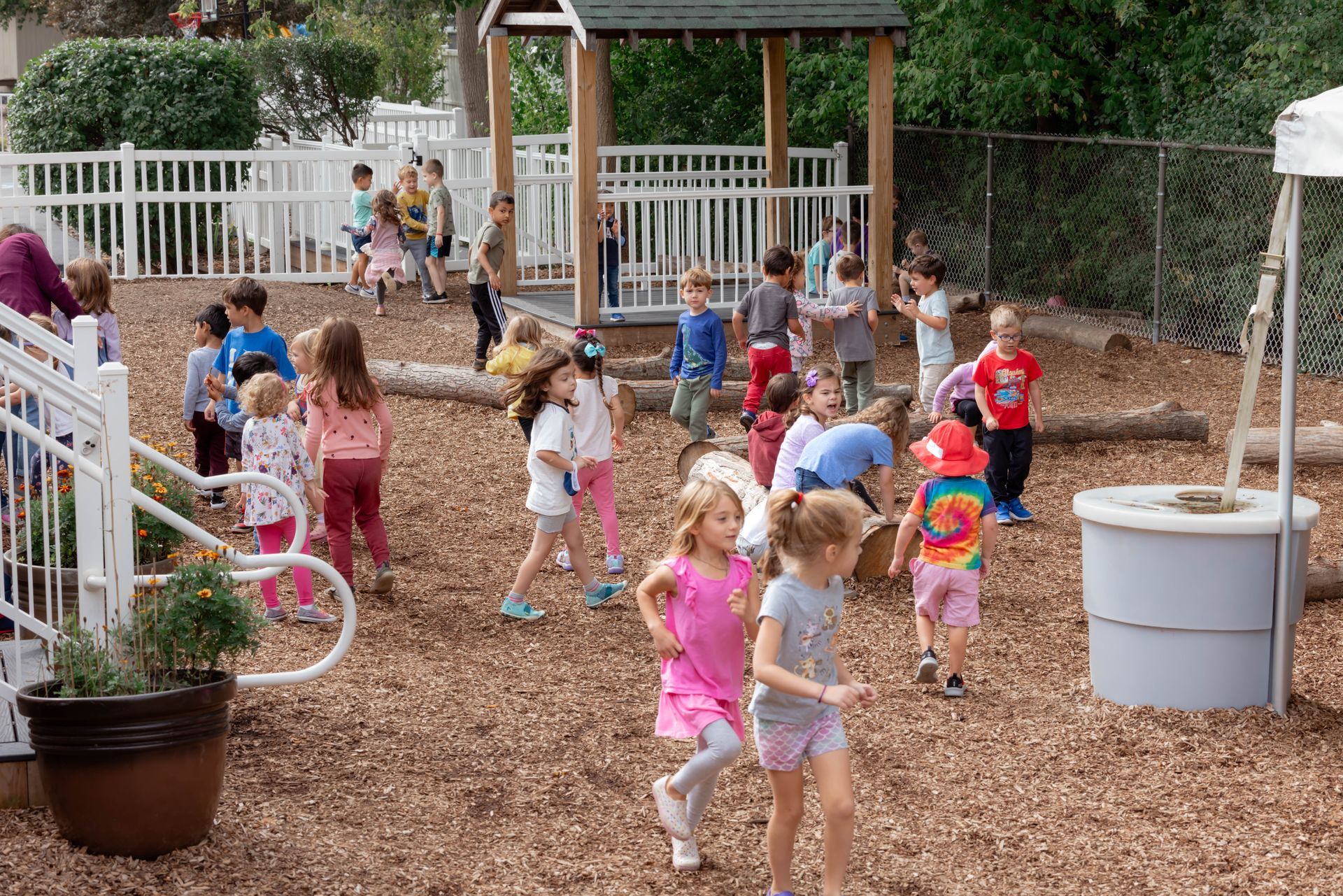
Second, provide opportunities for natural interaction rather than overscheduling. Time at the park, family gatherings, or small playdates often offer more authentic growth than tightly managed activities. In the classroom, children practice collaboration daily, from sharing materials to working on group projects.
Third, support independence. After COVID, it’s natural to want to step in quickly if our child seems uncomfortable socially. But small moments of trust—like letting our children introduce themselves, ask to join a game, or resolve a conflict—help them build confidence and resilience.
Finally, model calm and social grace. Children absorb how we approach social situations. When they see adults showing openness and curiosity, they are more likely to approach peers with the same ease.
Partnering with Teachers
Your child’s teacher is also a valuable partner. Montessori guides closely observe children’s social interactions and can offer concrete reassurance: “I noticed your child inviting a friend to join her work,” or “He showed patience while sharing materials today.” These insights often show growth that may not be as apparent outside the classroom.
Supporting Social Growth at Home
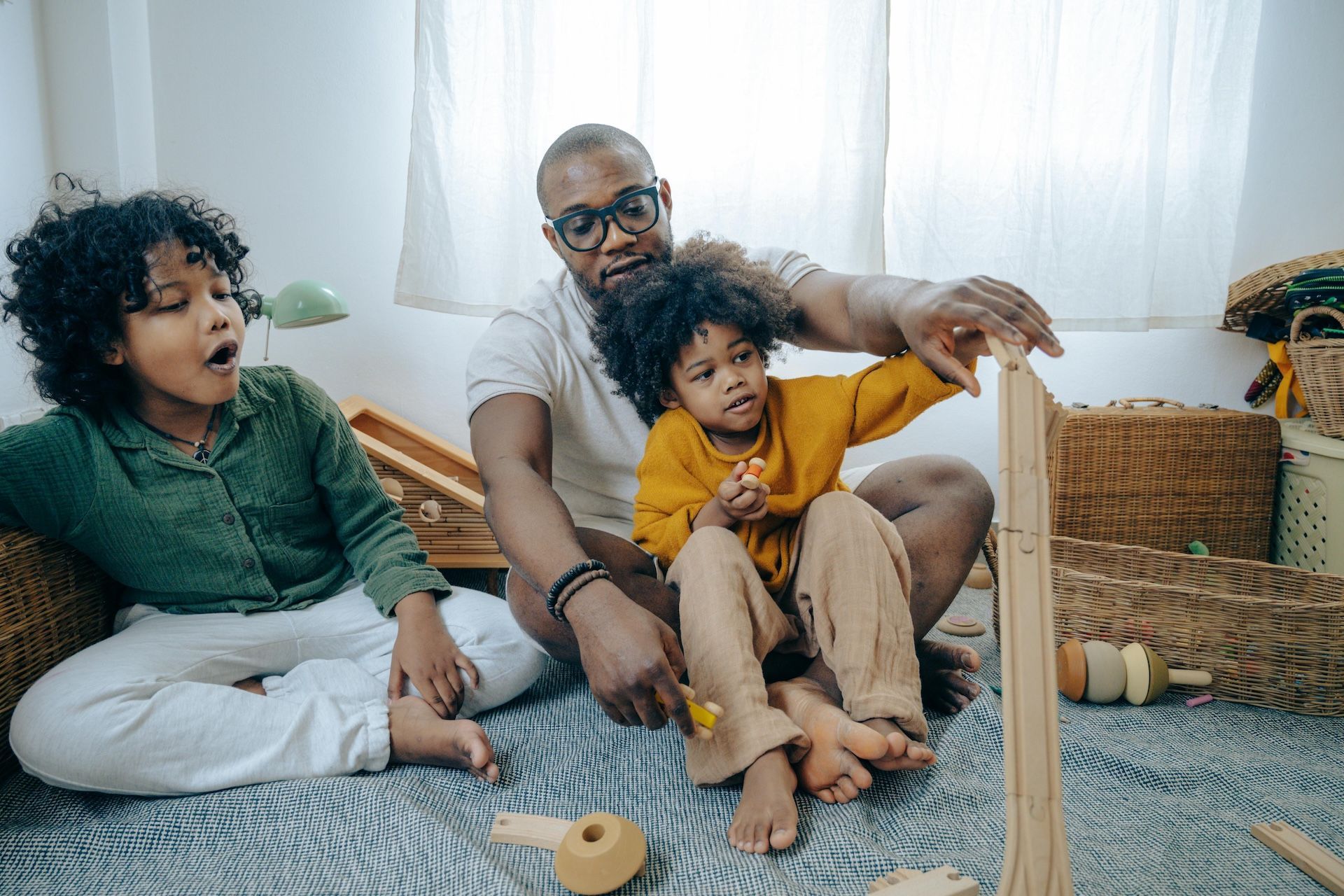
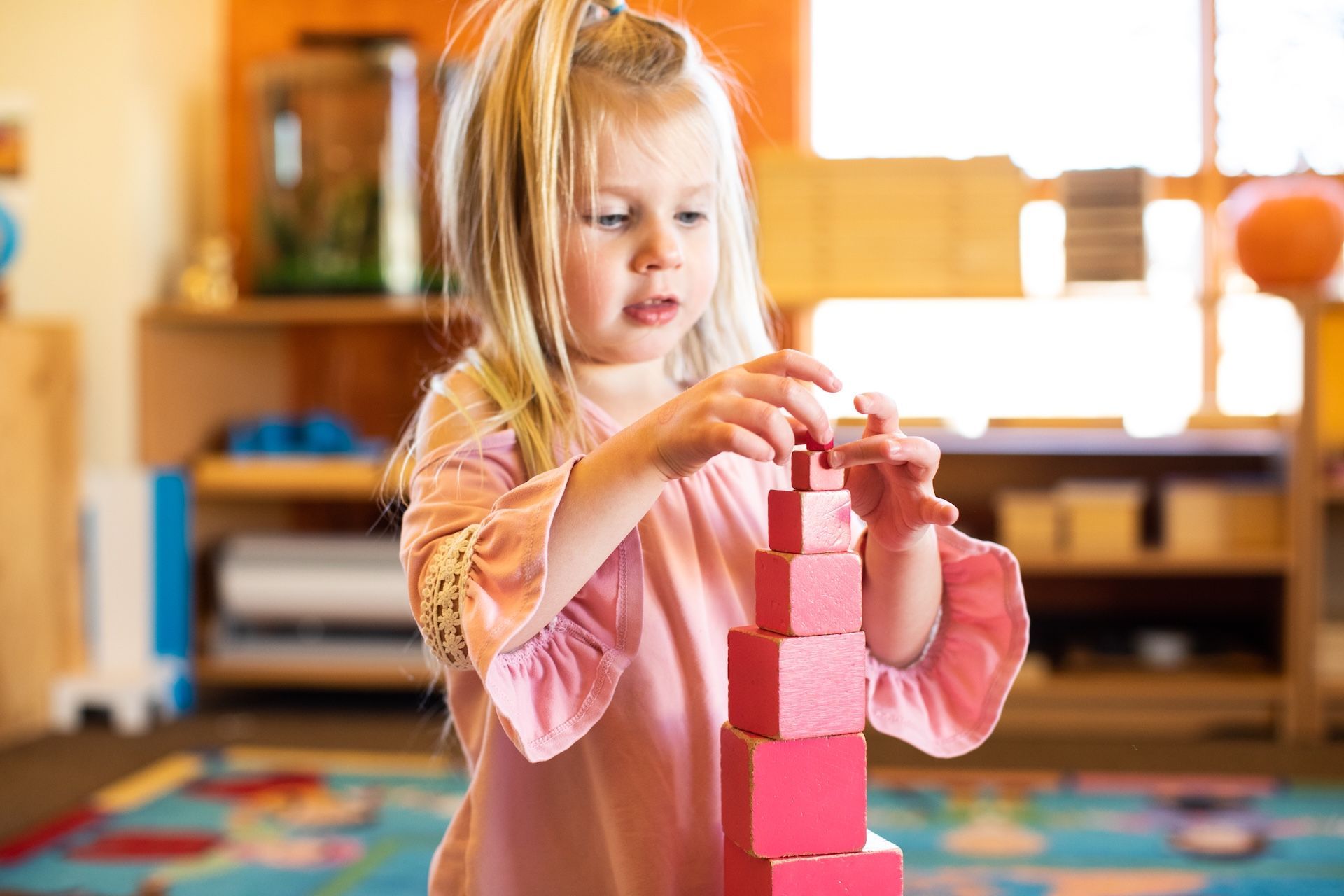
Simple, practical activities in our children’s lives can make a big difference. Hosting a “work together” playdate, for instance, shifts the focus from entertainment to shared purpose. Children might bake bread, build with blocks, or create art together. These collaborative activities naturally encourage conversation, cooperation, and problem-solving, giving children structured opportunities to navigate relationships.
Practicing grace and courtesy at home also builds confidence. Small role-plays, like asking to join a game or politely declining an invitation, help children learn the social scripts they need. “Can I play with you?” or “No, thank you. I’d like to work alone right now,” are examples that may seem small but make a significant difference when children encounter peers in real settings.
Family game nights are another excellent tool. Cooperative board games, memory games, or card games teach turn-taking, handling winning and losing, and joyful connection. Games provide low-stakes opportunities to practice critical social skills like patience, negotiation, and flexibility.
Finally, spending time in community spaces offers invaluable real-world practice. Visits to the library, farmers’ market, or nature center allow children to engage in everyday interactions, such as greeting a librarian, asking a vendor a question, or navigating shared space with peers. These experiences help children build confidence and fluency in social settings.
Moving Forward with Confidence
It’s understandable to feel anxious about our child’s social life after such a collective disruption. But rest assured: children are not permanently “behind.” With trust, time, and supportive environments, children continue developing the skills of friendship, collaboration, and community.
Montessori reminds us that growth is steady and ongoing. Our role is to provide the space, opportunity, and confidence children need to thrive socially. When we step back and trust the process, we discover that children are, in fact, developing social competence.
Come visit our classroom environments at LakeCreek Montessori International School to see how Montessori fosters a lasting sense of confidence and a deep form of belonging.