Time for Togetherness
During the holiday season, we can unintentionally become a bit edgy or stressed. Routines change. We might travel or have out-of-town guests. While our children may feel excited about the holidays, they also can feel the changes in family routines or shifts in family dynamics.
If we are getting together with extended family or friends—no matter how loving, patient, and well-meaning—having additional people mixed into the scene, especially during the holiday season, can add additional layers of stress. Often our children absorb this unspoken stress and their behavior may shift as a result.
Perhaps we see more meltdowns, an uptick in neediness, an increase in whining, more resistance, ora surge in sibling conflict. If our children start to show attention-getting behavior, we can remember that they are sending an important message about unmet needs. It’s like they are waving a red flag to indicate we should shift our focus!
Step 1: Connection
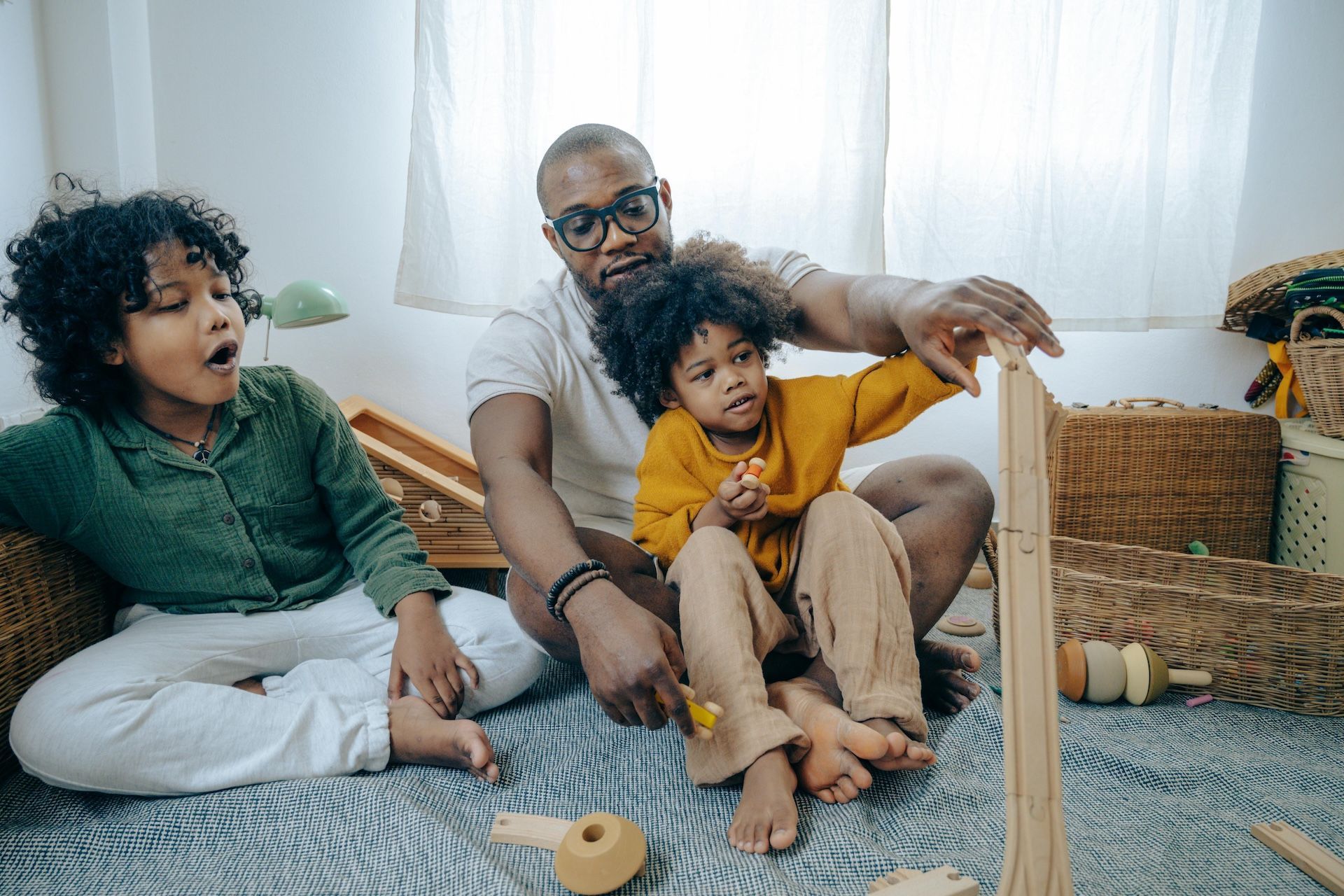
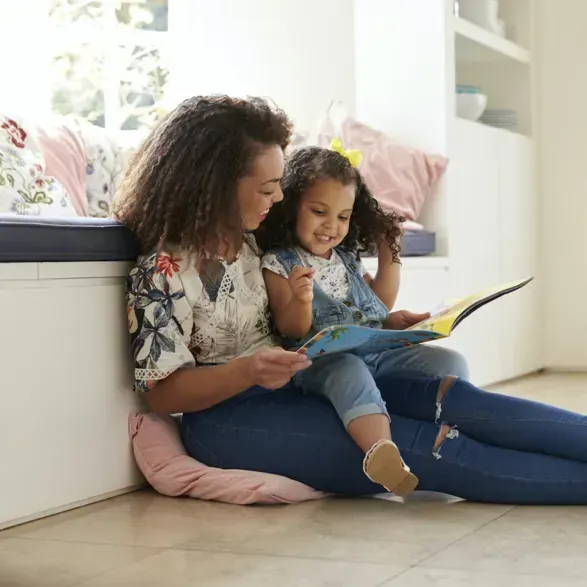
The first step is connection. Children want to feel a sense of significance and belonging. So even a few minutes of loving attention can refuel children who are feeling disconnected. Depending upon their age, this could mean snuggling together on the couch, collaborating on coloring a picture, taking the dog for a walk together, or shooting hoops. The most important thing is that the focus is on being together without distractions.
Step 2: Preparation
Once we’ve established that connection and our children feel secure and satisfied, we can discuss changes that occur during the holidays. Will bedtimes be different? What will shift about meals together? What kinds of activities will likely happen?
In preparing ourselves and our children for time with extended family and friends or changes to expect during the holidays, we can consciously reflect together about what routines will shift, what traditions we want to honor, and what joys and challenges the time may bring.
Our children like to be prepared and have a sense of what to expect. Involving them in the discussion, planning, and preparation can alleviate not only their anxiety but also our own angst.
Mapping out the days on a family calendar provides a visual guide for the changes in routine. A whiteboard works well, easily allowing for modifications if the plans become overwhelming. Take time to have conversations about what activities are most enjoyable for everyone. Then cut back on those that are not essential.
Step 3: Mindful Involvement
When we are in the midst of being amongst friends and extended family, the experience of collecting snippets and stories of favorite holiday experiences can be a bonding experience for everyone. Part of the ritual of coming back together around the holidays can include sharing, and even documenting, different memories of past times together. This kind of sharing offers everyone a way to reorient and reunite. The recollections can even be collected in a kind of family memory book that can be pulled out when everyone gets back together again.
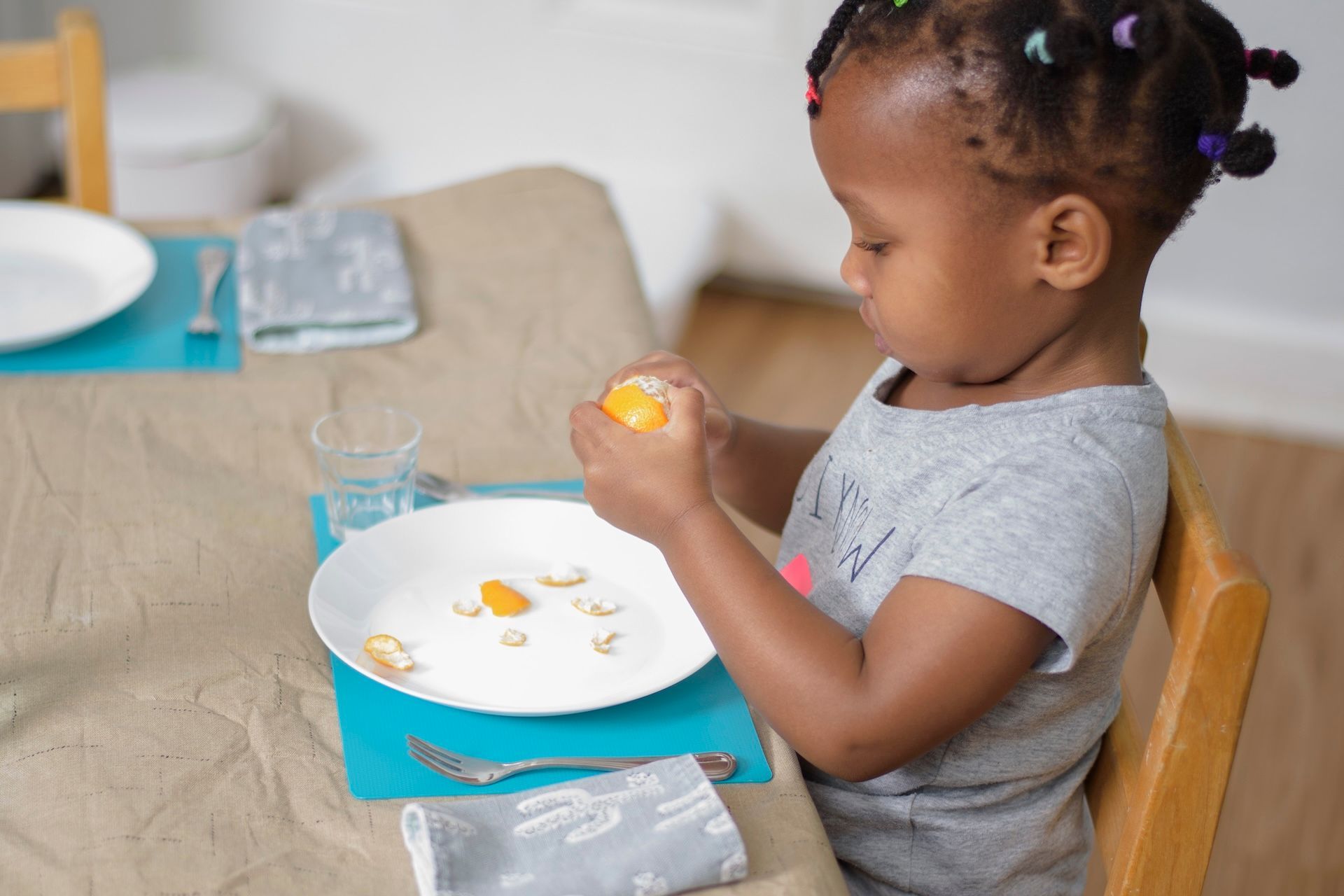
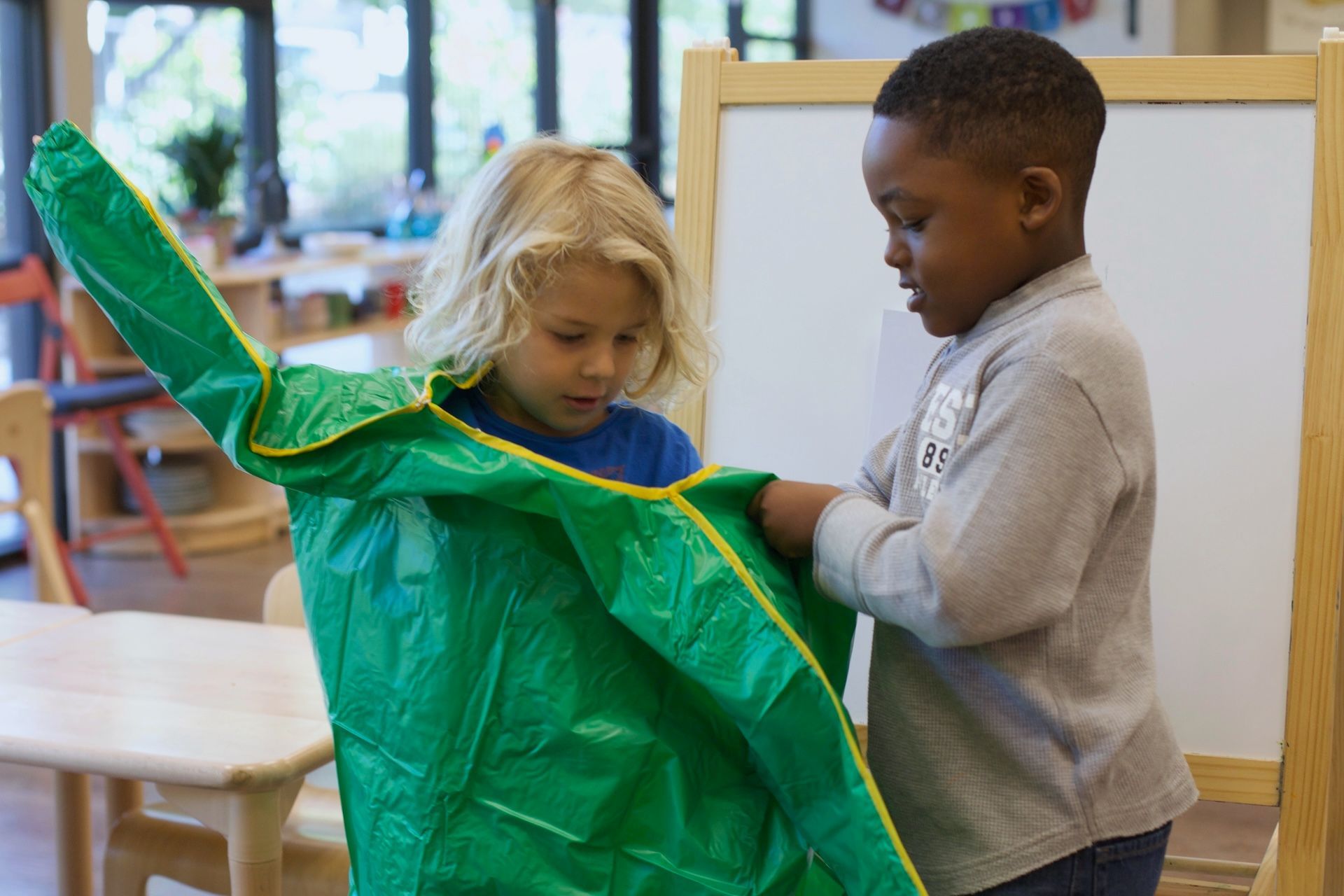
Children and relatives also want to help. Intentionally enlisting extended family to support children’s involvement can create a win-win for everyone. Some possible collaborative activities include food preparation (scrubbing potatoes, mixing dough, tearing lettuce for a salad), making simple decorations, setting the table, folding the laundry, and even dusting and tidying. We all feel more settled when we feel useful and engaged.
This holiday season wehave an opportunity to consciously create new rituals and opportunities for ourchildren, our friends, and our extended families. Rather than rely upon old patterns perhaps learned from previous generations, let’s plan our time of togetherness and mindfully prepare ourselves and our children.