By LakeCreek Montessori School
•
June 24, 2026
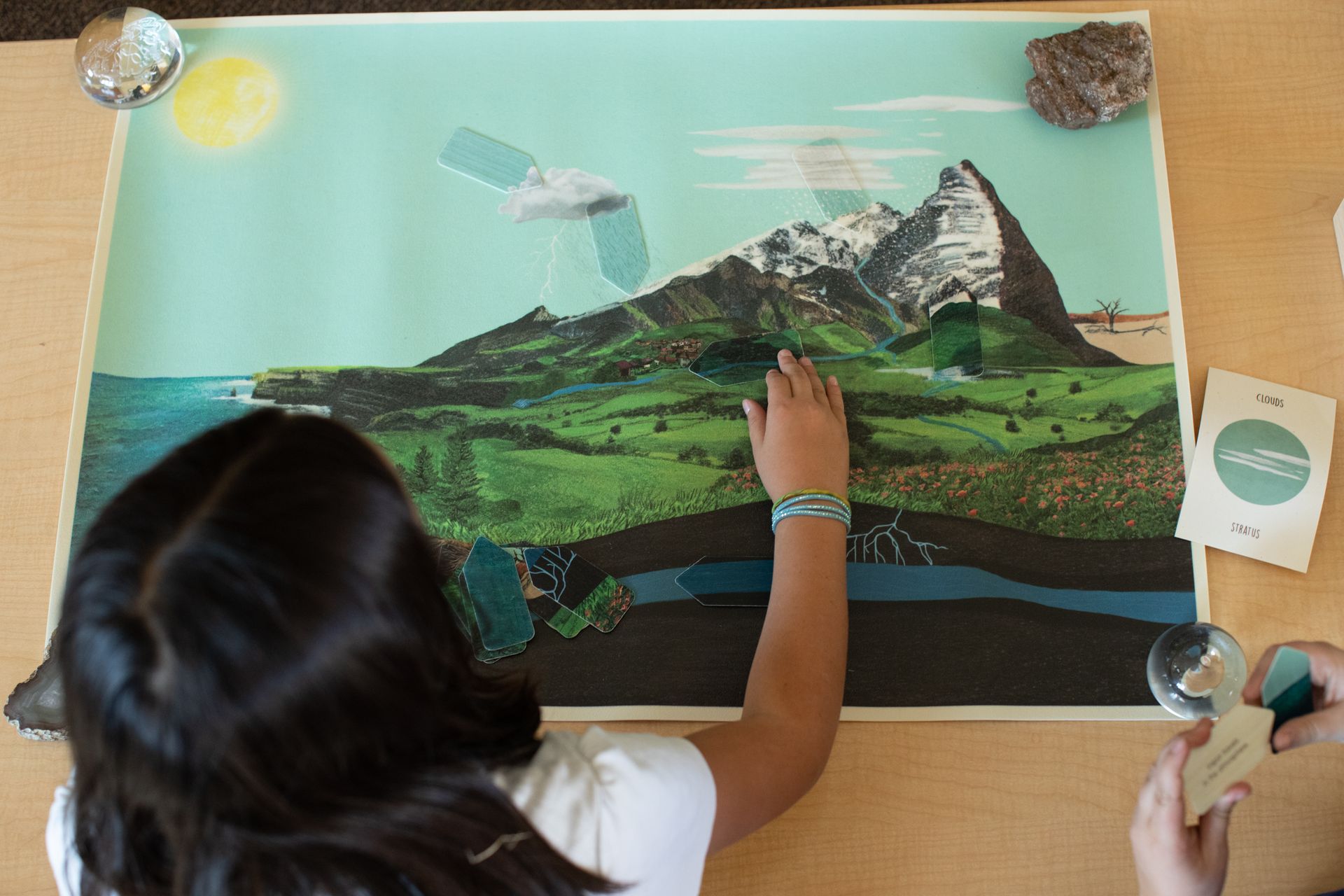
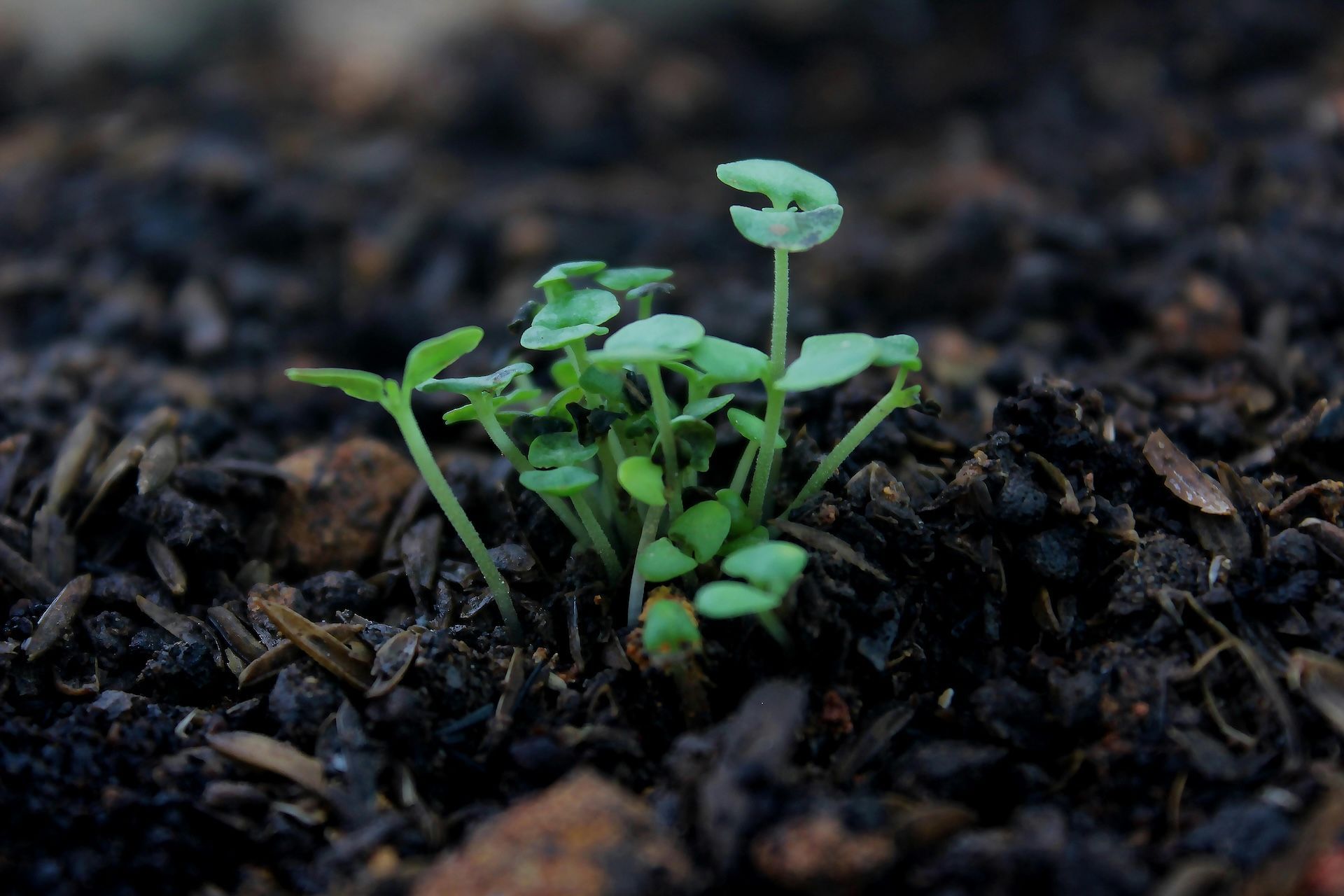
Summer is the perfect season to explore the question: what does a plant actually need to survive? Rather than focusing on abstract information through books, this is a chance to really experiment with our children. What happens to a seedling when you take away its water? Its light? Its warmth? What if you give it everything? What if you give it almost nothing? The Needs of the Plant is an activity we explore with younger elementary children, and it is perfectly suited to summer at home. The activity requires almost no materials, takes only minutes to set up, and keeps children interested over the course of a week as they observe, record, wonder, and discover fundamental truths about the living world. The Idea Behind the Experiment In Montessori, we don’t take a textbook approach to science. Instead, children encounter scientific concepts through direct experience. They use all their senses to carefully observe real things as they change in real time. The Needs of the Plant experiment embodies this approach. The premise is simple: plants need certain things to survive. Most children know this in a general way. But knowing it in a general way is entirely different from watching it happen. In this activity, children care for four small seedlings over a week and see, with their own eyes, what flourishes and what doesn’t. In the process, children get to build their understanding of why. The experiment also introduces children to an important concept in science: the control. One plant receives everything (water, light, and warmth). The others each go without one of these things. When children compare what they observe at the end of the week, the control makes the comparison meaningful and sets the foundation for scientific thinking. What You'll Need to Try This at Home The materials are simple. You’ll need four small containers or bowls, cotton balls, four small seedlings (lettuce seedlings work well as they are fragile enough to show results within a week), water, labels, and a notebook for recording daily observations. A few important notes before you begin: choose seedlings rather than seeds, as seeds actually benefit from darkness while sprouting and won't give clear results. Avoid hearty plants like cacti, which can tolerate almost anything. You want plants that will respond visibly to their conditions. And choose four seedlings that are as similar to each other as possible, so the only variable is what each one receives. Setting Up the Experiment Gather your children and your four seedlings and talk through the setup together. Begin with a conversation. What do we think plants need to live? Water almost always comes up first. Light? Warmth? Let the children's ideas lead the way. Then set up the four bowls: Plant One — the control: Place damp cotton balls in the bowl, nestle the seedling inside, and label it: Water, Light, Heat. Find a warm, sunny spot for this one and assign a child to water it every day. This is the plant that gets everything. Plant Two — no water: Set up the bowl with dry cotton balls and label it: Light, Heat — No Water. Place it beside the first plant in the same sunny, warm location, but do not water it at all. Plant Three — no heat: Set up the bowl with damp cotton balls and label it: Water, Light — No Heat. Find a cool location — a shaded spot or a cooler room — where it will still have light but significantly less warmth. Water it daily, but keep it cool. Plant Four — no light: Set up the bowl with damp cotton balls and label it: Water, Heat — No Light. Place this one inside a cupboard or covered box where it receives no light at all. When watering it, open the cupboard quickly and close it again so the plant is exposed to as little light as possible. One important reminder: the goal is observation, not destruction. If a plant appears to be in serious distress before the week is up, it's perfectly fine to end its part of the experiment and move the seedling somewhere it can recover. When the experiment is complete, consider planting all four seedlings in a garden or pot where they can recover and continue growing. The Daily Practice: Observing and Recording The daily act of looking closely and writing down observations is where the real learning happens. Give your child(ren) a simple notebook and invite them to visit each plant every day and record their observations. What does the plant look like today? Has anything changed? What do the leaves look like? Is the stem standing upright or beginning to droop? Has the color changed? These questions are invitations to notice. When our children visit four plants every day for a week and truly look at each one, they are developing powers of observation that will serve them in every area of science (and in many areas of life) for years to come. After a Week: What Did We Discover? When the week is up, gather the four plants and have a conversation. What happened? The plant that received everything (water, light, and warmth) should be thriving. The others will each show the effects of their missing need in different ways. Let your children lead the discussion. What do they notice? What surprised them? What do they think would happen if they continued the experiment for another week? What would happen if they moved the plants back to normal conditions? Then, together, draw the conclusion that the experiment has demonstrated: plants need water, light, and warmth to survive. And alongside those three things, introduce two more: minerals, which the plant draws from the soil through its roots, and carbon dioxide, the gas from the air that plants take in to make their food. In the classroom, we use an impressionistic chart to show these needs: sunlight, water, carbon dioxide, minerals, and warmth. This is a way to close the experiment and give children a visual framework for what they've observed. Why This Matters Beyond the Science Caring for a living thing over a period of days reinforces children’s attention span, builds patience, and strengthens the habit of noticing small changes. This practice is at the heart of genuine scientific observation. The process also helps children develop a sense of responsibility toward the living world. Children who have watched what happens to a plant when its needs are not met understand, in a visceral and personal way, that living things depend on their environments. That understanding is the beginning of ecological awareness. A Note for Older Children If you have children between the ages of nine and twelve, summer is a wonderful time to extend this experiment into a deeper exploration of what plants actually take in from the soil: the macro-nutrients like nitrogen, potassium, calcium, magnesium, sulfur, and phosphorus that plants need in significant quantities, and the trace elements (iron, zinc, copper) that are needed only in tiny amounts but are just as essential. This can lead to early explorations of chemistry, the periodic table, and the building blocks of life. For now, though, four bowls on a windowsill, four seedlings, and one child with a notebook is more than enough! We hope your family has a season full of curiosity and discovery. We look forward to hearing what you found and welcoming everyone back to the classroom in the fall. As always, come visit the school in LakeCreek Montessori School to learn more about cultivating scientific thinking!