The Unseen Engine of Independence: Developing the Will in the Montessori Environment
In our broader culture, we often think of "will" in terms of willpower: gritting our teeth to get through a difficult task, resisting temptation, or pushing ourselves to achieve a goal. But in the Montessori approach, the development of the will is something far more profound.
Rather than viewing the will as mere self-control or determination, Dr. Maria Montessori understood it as the internal force that propels a child forward in life: guiding them from unconscious, instinctual action toward conscious, thoughtful choice.
At LakeCreek Montessori School, supporting the healthy development of the will is an essential part of our daily work in both the Toddler and Primary communities. It is through this gradual inner development that children become truly independent, capable of acting responsibly, empathetically, and with purpose.
What Is the Will?
Dr. Montessori described the will as a natural, universal force of human life. Much like memory, movement, or language, it is an integral part of cognitive and emotional development. It is something every child is born with that must be carefully nurtured.
It isn't created by adult demands; it is cultivated through rich, meaningful experiences. And much like physical muscles, the will grows stronger through daily practice.
From birth, children are driven by unconscious impulses and natural developmental drives. Around age four or four and a half, these initial intense internal motivators naturally shift. This is the stage where the child’s conscious decision-making begins to take over as their primary internal guide. At this point, children start acting less out of immediate impulse and more from intentional choice.
The Four Stages of Will Development
In the Montessori framework, the development of the will progresses through four distinct stages as a child matures:
- Instinctual Behaviors: The reflex-driven actions of infancy (grasping, crying, turning toward a voice). These are automatic, unconscious, and vital for early survival.
- Deliberate Actions: During toddlerhood, children begin acting with intention. We see this when a toddler reaches purposefully for a specific object, pushes a heavy walker, or carries a pitcher to the table. These actions demonstrate a growing awareness of cause and effect.
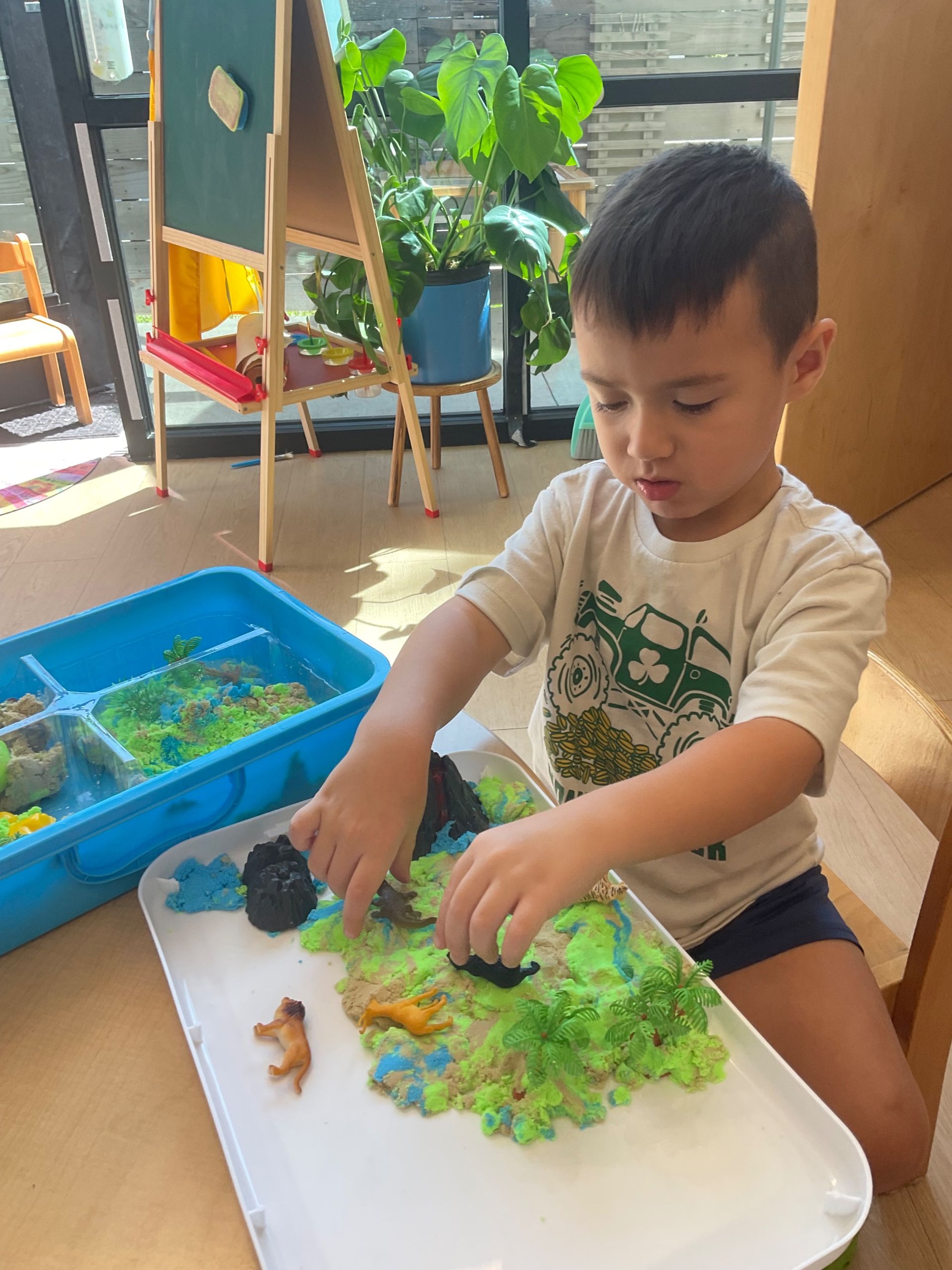
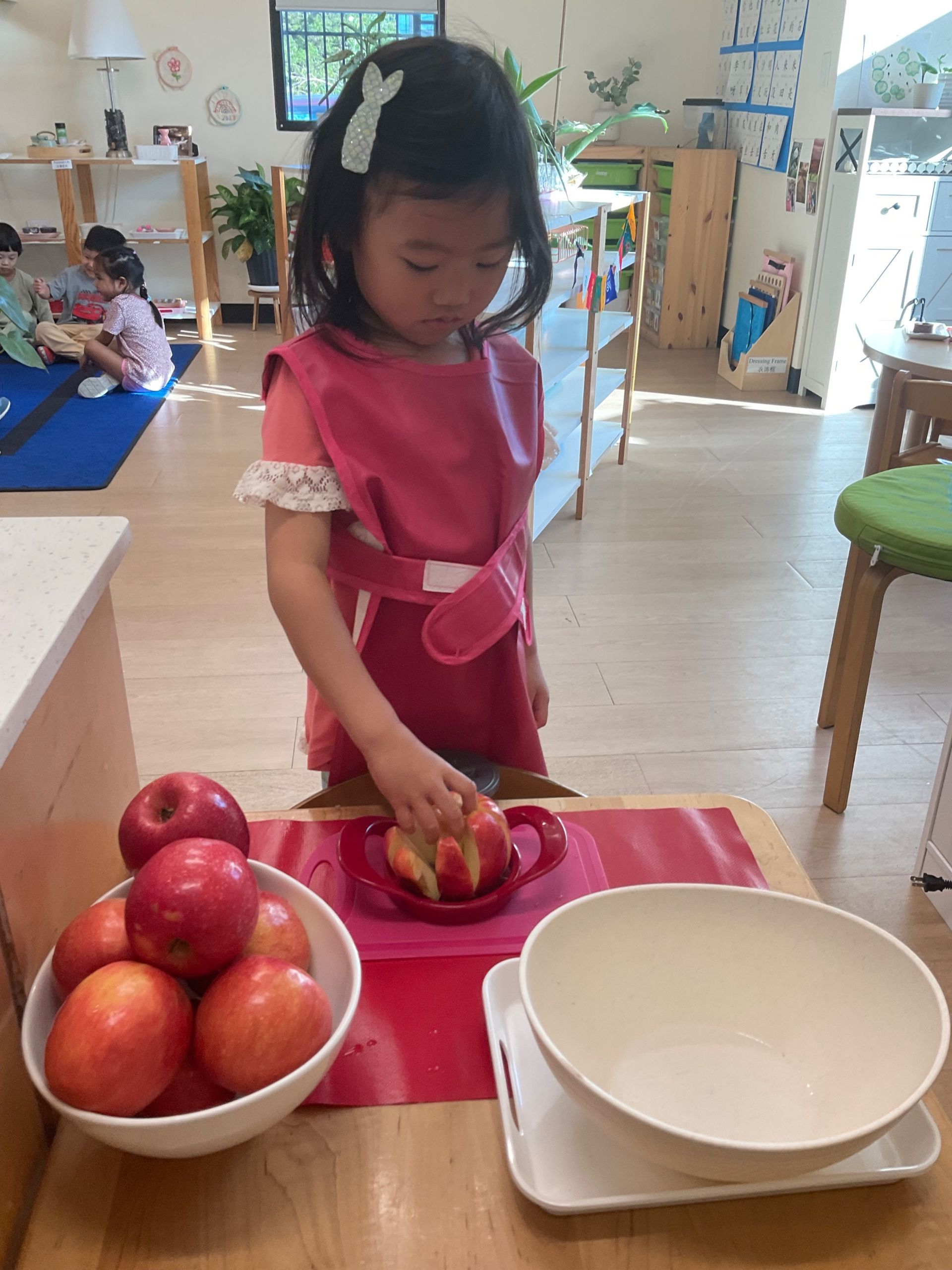
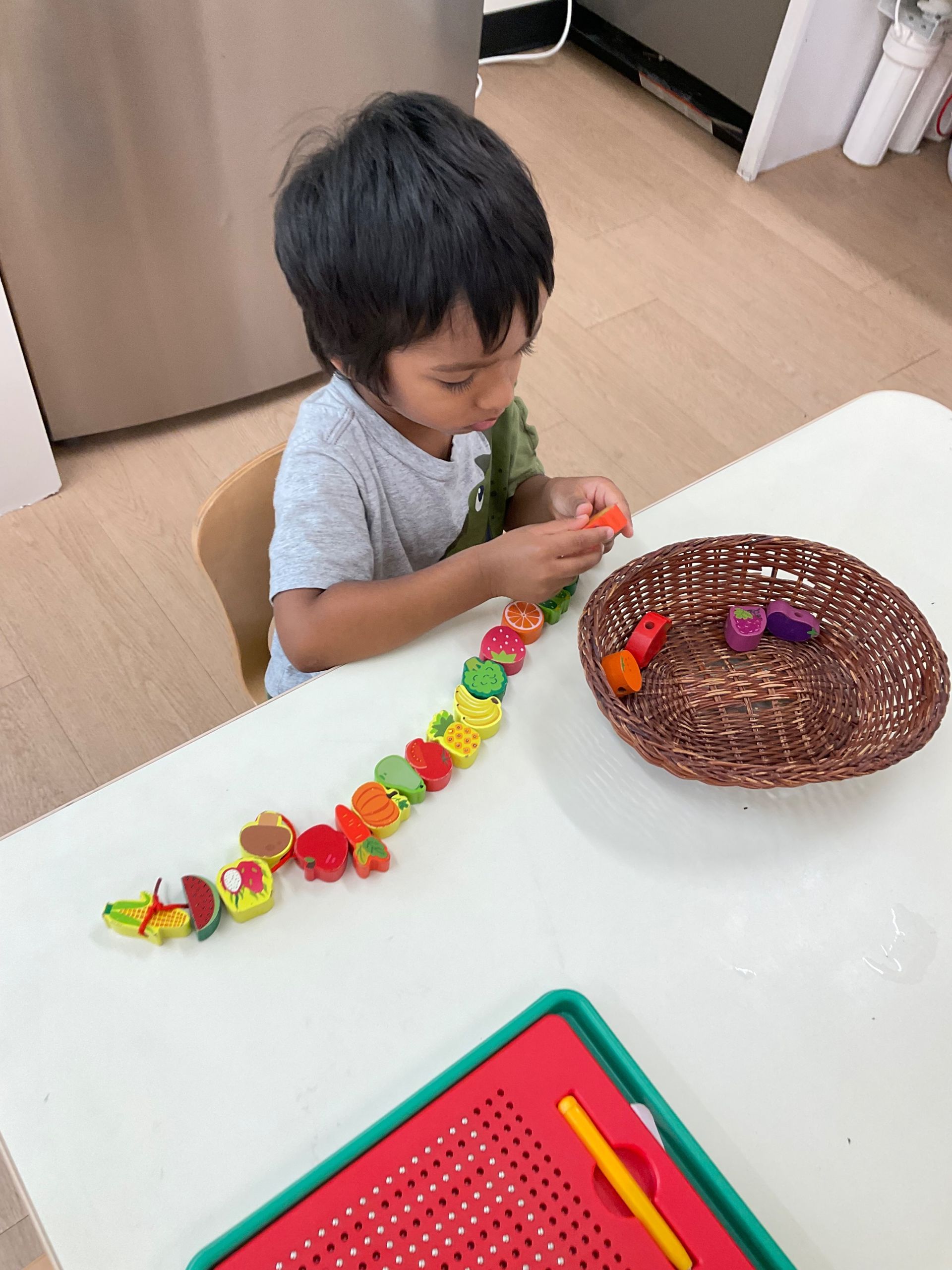
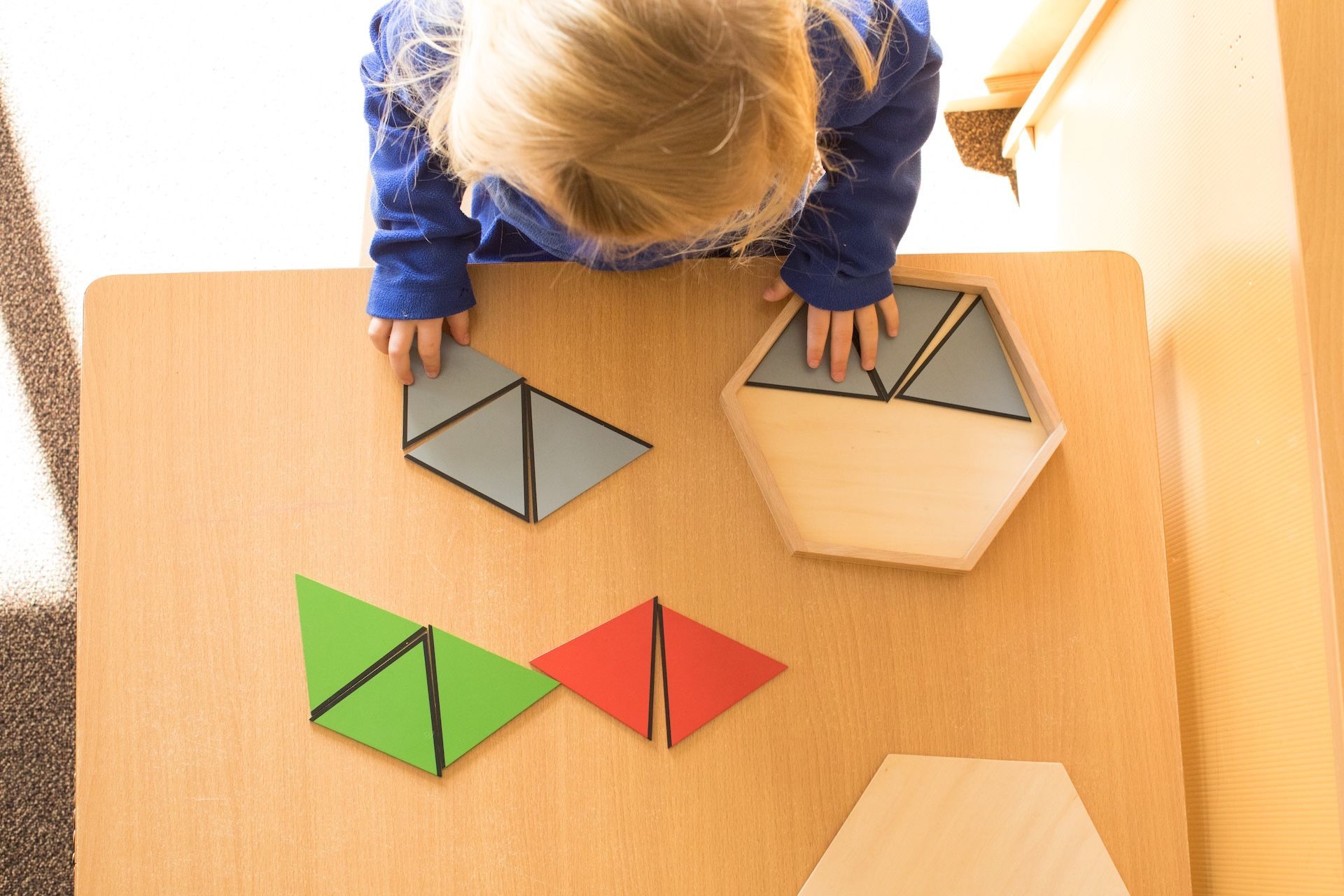
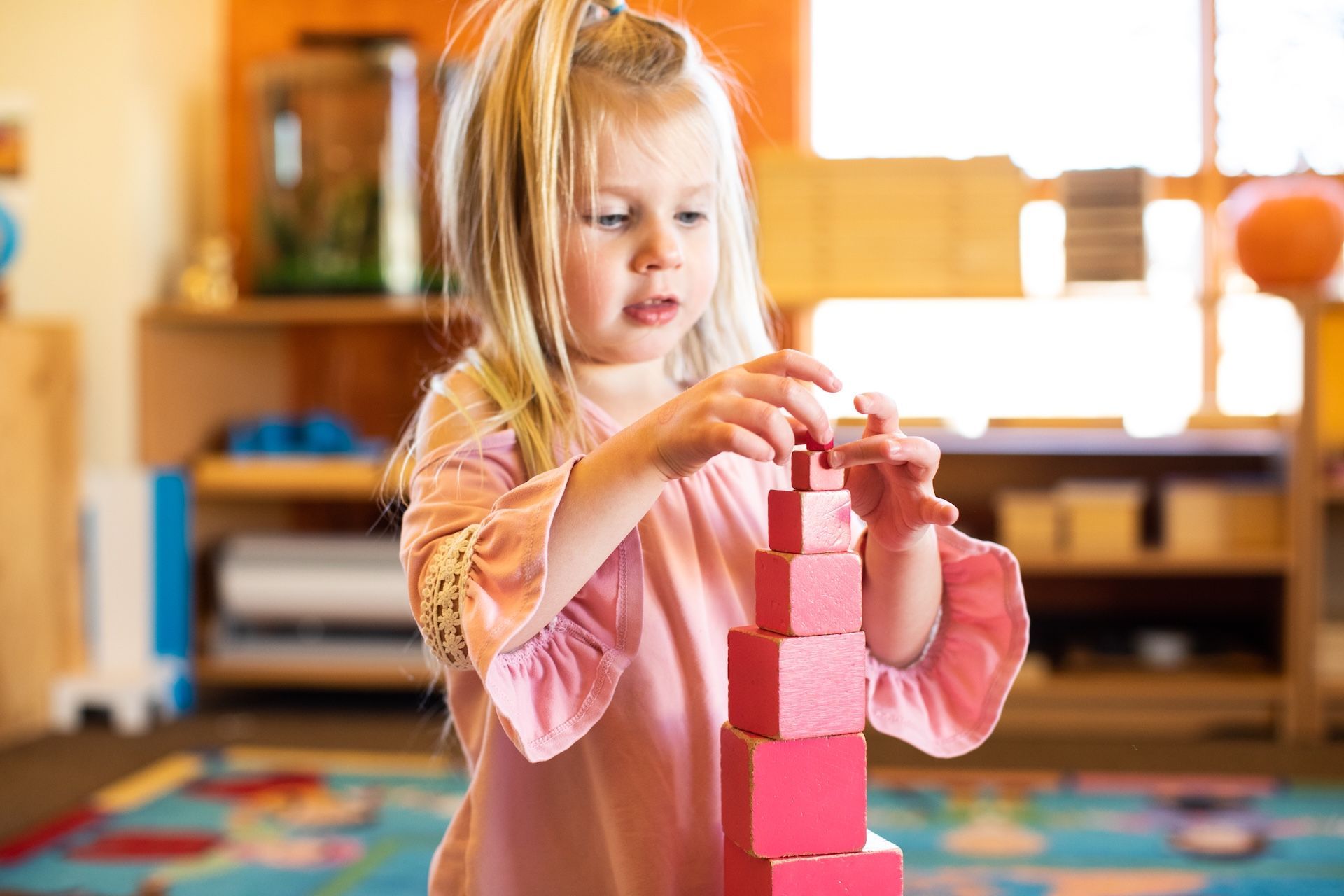
- Voluntary Actions: As children enter the Primary community, they make increasingly intentional choices. Deciding which work to select from the shelf, whether to pour water or slice an apple, or choosing to carry a heavy tray with two steady hands are all moments where children actively exercise their growing will.
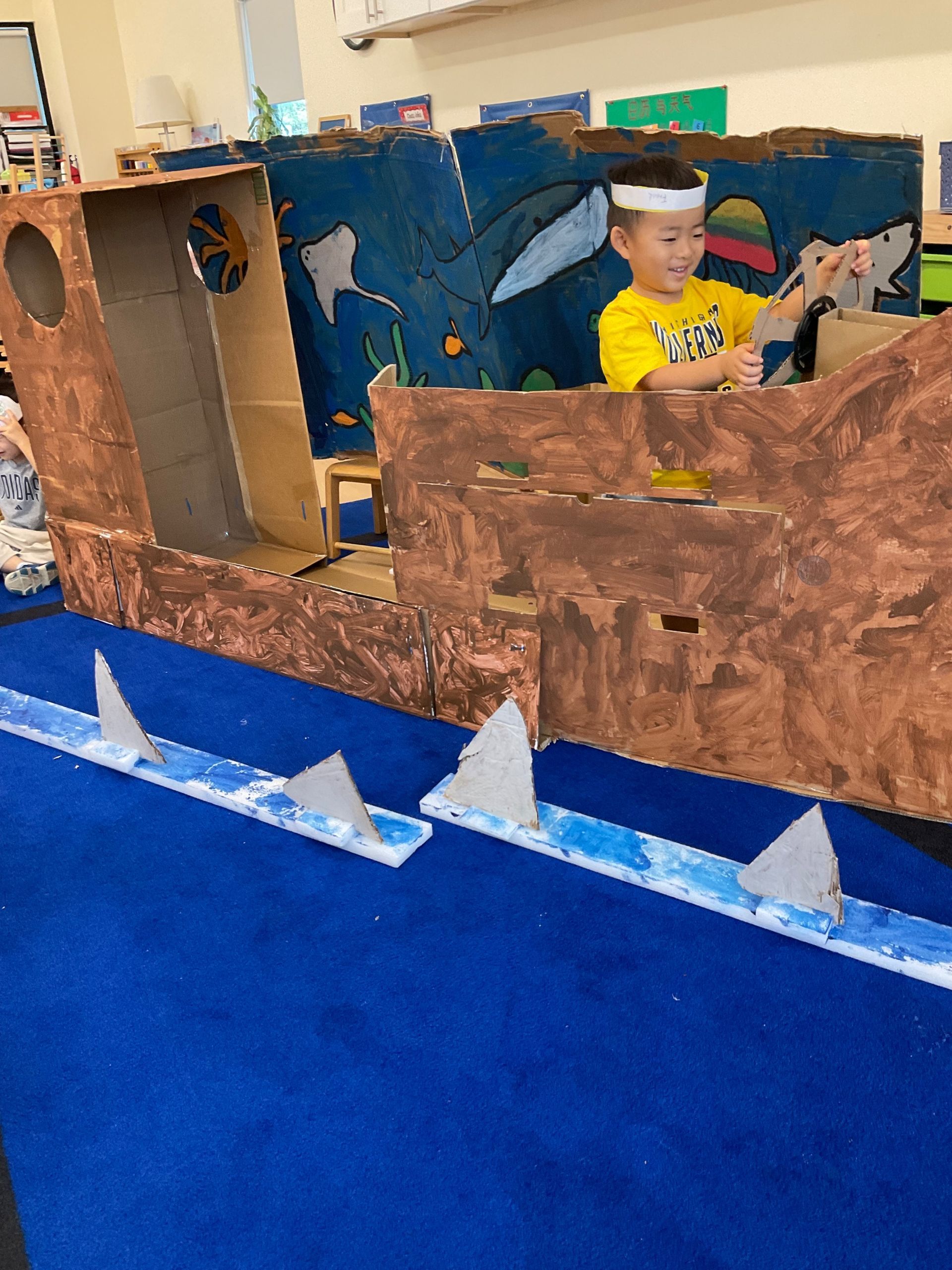
- Conscious Actions: Around age four and a half to five, a child's motivation becomes deeply internalized. Their choices are guided by reflection, concentration, and an understanding of their community. They can plan a multi-step project, persist through challenges, and choose activities for the sheer joy of mastery.
The Role of the Prepared Environment
The will cannot develop in a vacuum; it requires an environment that offers both freedom and structure.
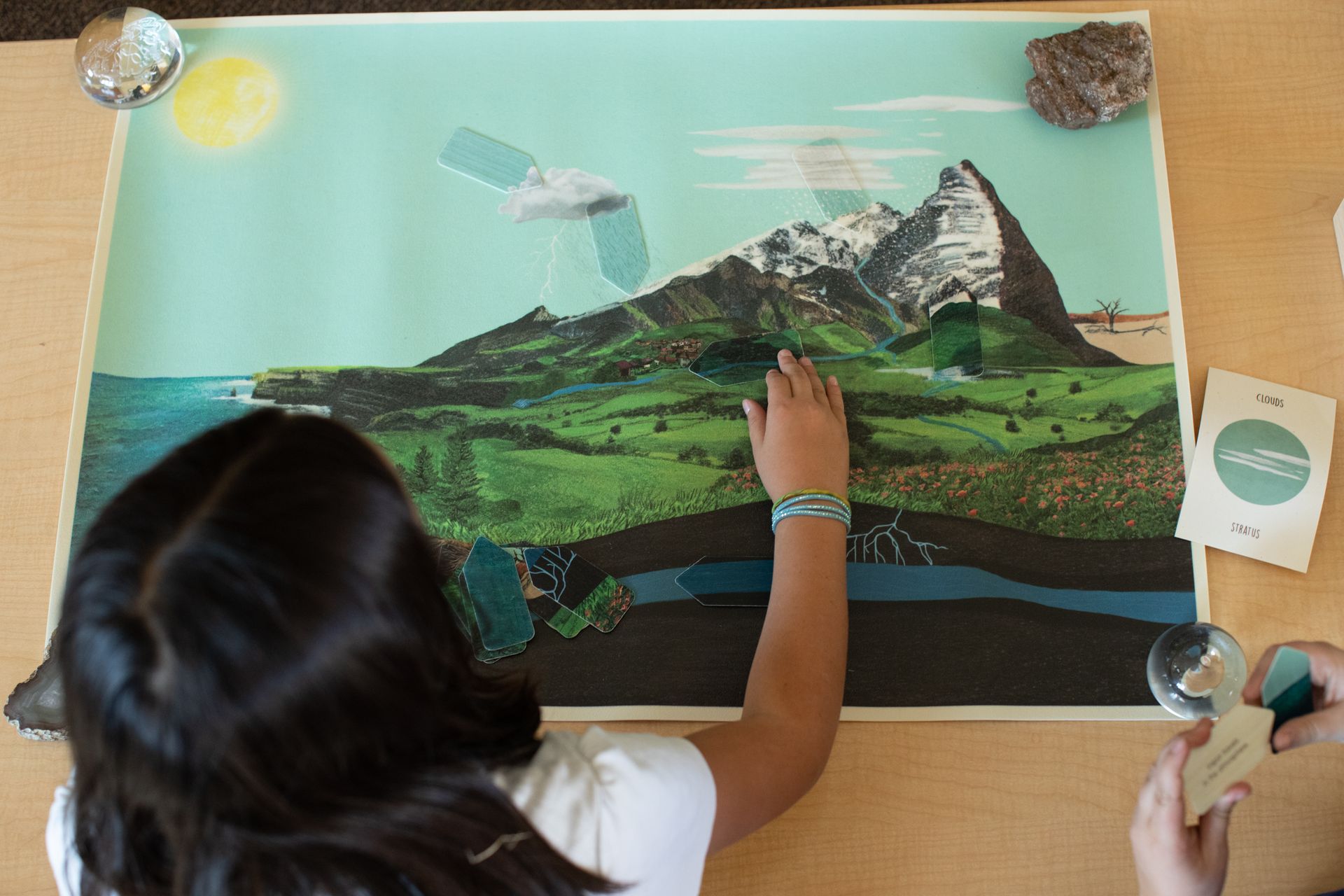
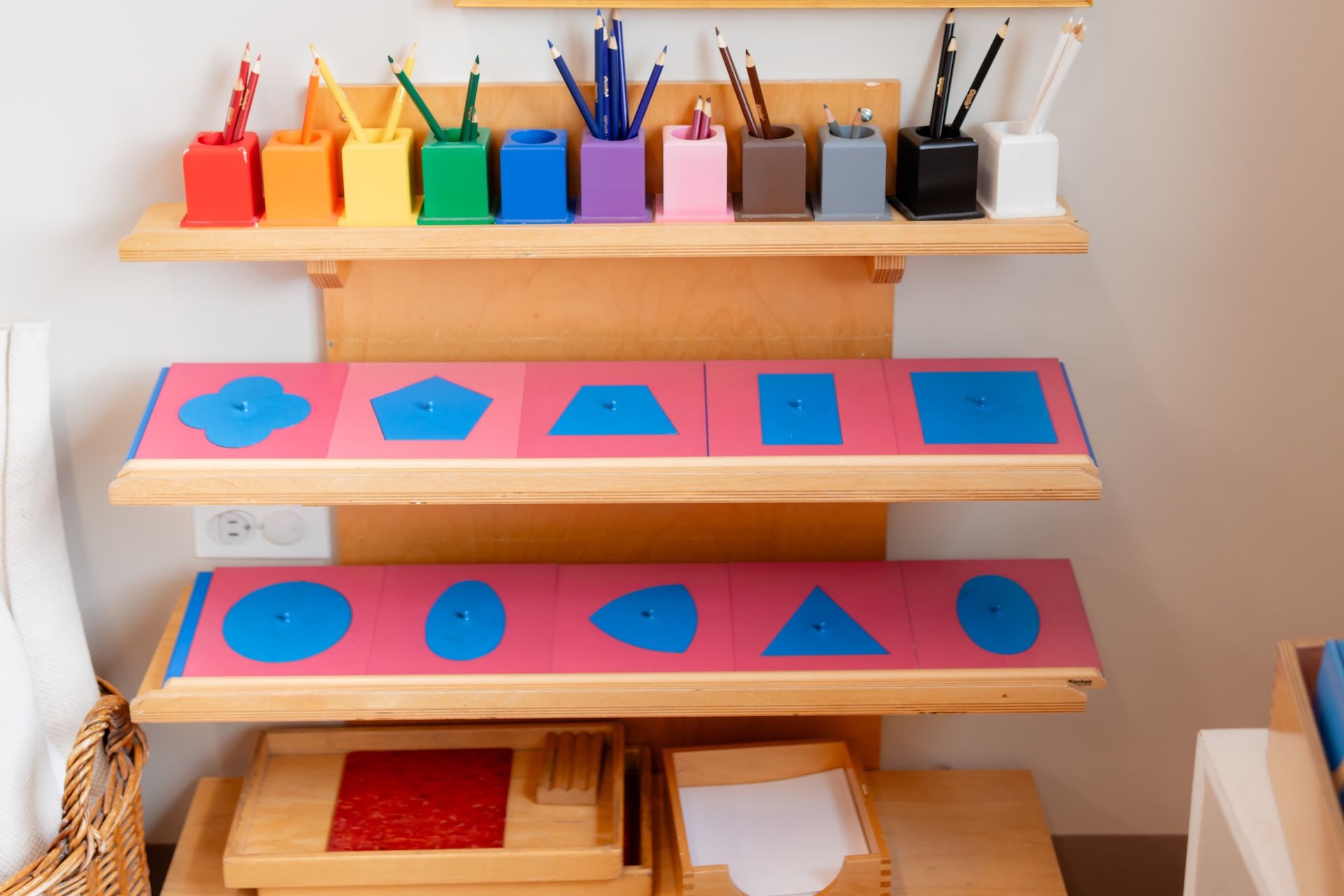
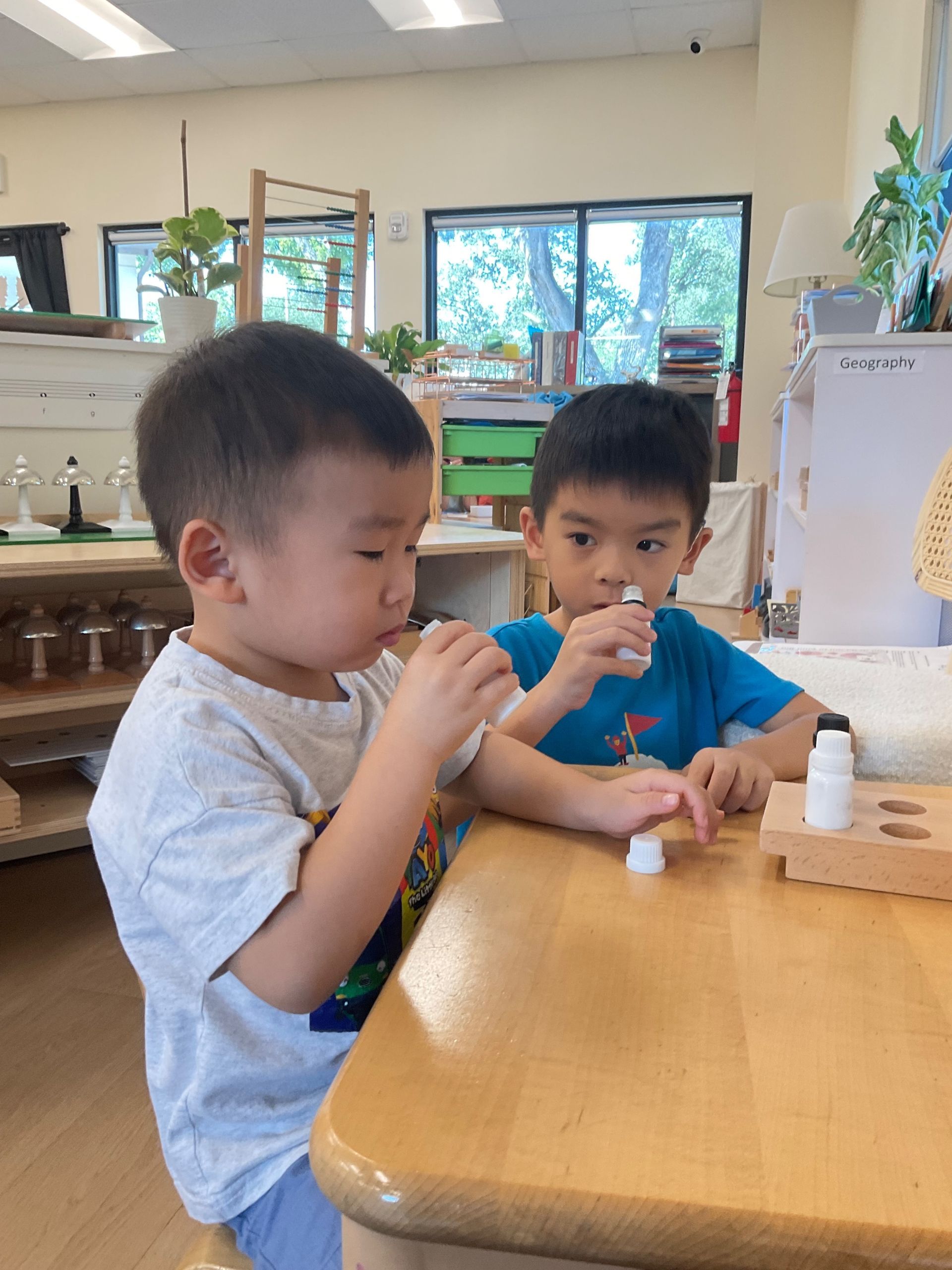
At LakeCreek, our Primary and Toddler classrooms are carefully prepared to give children real choices within safe, clear boundaries. When a child is free to select their own work and take as much time as they need to complete it, they experience the real outcomes of their decisions.
As parents and guides, we support this development by offering manageable, age-appropriate choices throughout the day:
- "Would you like to carry your working mat or select your work first?"
- "Would you like to put on your indoor shoes by yourself or would you like me to hold the heel?"
Every time a child makes a real choice and follows it through to completion, they exercise and strengthen their will.
Balancing Impulse and Self-Regulation
Young children are naturally driven by strong impulses—an intense curiosity to explore, move, touch, and test their world. However, healthy social and cognitive growth requires learning how to regulate those powerful impulses.
The will is what allows a child to bridge the gap between reacting instinctively and choosing deliberately. In a calm, structured classroom, children gradually develop the capacity to pause and reflect: "I want to grab that work right now... but my friend is using it, so I will wait until they are finished."
Dr. Montessori emphasized two balancing forces within every child:
- Impulse: The driving energy to act, explore, and create.
- Inhibition: The mental ability to pause, reflect, and refrain from harmful or distracting actions.
When these two forces work in harmony, character is formed. We do not aim to produce passive or compliant children. Instead, we nurture internal strength (what modern psychologists often call grit or executive function) so that children learn to persist through difficulty and act with integrity.
Obedience as a Natural Outcome
In traditional educational settings, obedience is often demanded externally from the very beginning, sometimes before a young child is developmentally capable of self-regulation. In Montessori, we view discipline not as an adult demand, but as an internal capability that unfolds naturally as the will matures.
Dr. Montessori identified three levels in the development of obedience:
| Stage | What It Looks Like In Practice |
|---|---|
| 1. Inability to Obey | The child is still developing basic physical control and mental focus. They are guided almost entirely by immediate developmental impulses and cannot yet follow complex verbal demands consistently. |
| 2. Occasional Obedience | As motor control and language comprehension expand, the child can follow directions when focused, but their ability to regulate their impulses is still evolving and inconsistent. |
| 3. Joyful, Conscious Cooperation | The child’s will is fully developed and aligned with their intellect. They follow community guidelines not out of fear of punishment or desire for reward, but out of love, respect, and a desire to contribute positively to their community. |
At this highest stage, discipline is self-chosen. It is built on mutual respect between the child, their peers, and their guides.
Why Supporting the Will Matters
Supporting the development of the will is not about raising compliant children. It is about raising thoughtful, self-reliant, and confident individuals who understand their own capabilities, care for their community, and approach learning with lifelong enthusiasm.
When we give young children the time, space, and trust to make choices and handle the responsibilities that come with them, we give them a foundation for life.
Discover LakeCreek Montessori School
If you would like to see how our prepared environments foster independence, concentration, and joy in our Toddler and Primary communities, we invite you to
schedule a tour.