Deep Focus, Daily Rhythms, and the Power of the Uninterrupted Work Cycle
As autumn settles in and our classroom routines are fully under way, we want to connect about a fundamental pillar of the Montessori learning environment: the three-hour work cycle, and how on-time arrivals directly support your child’s ability to thrive within it.
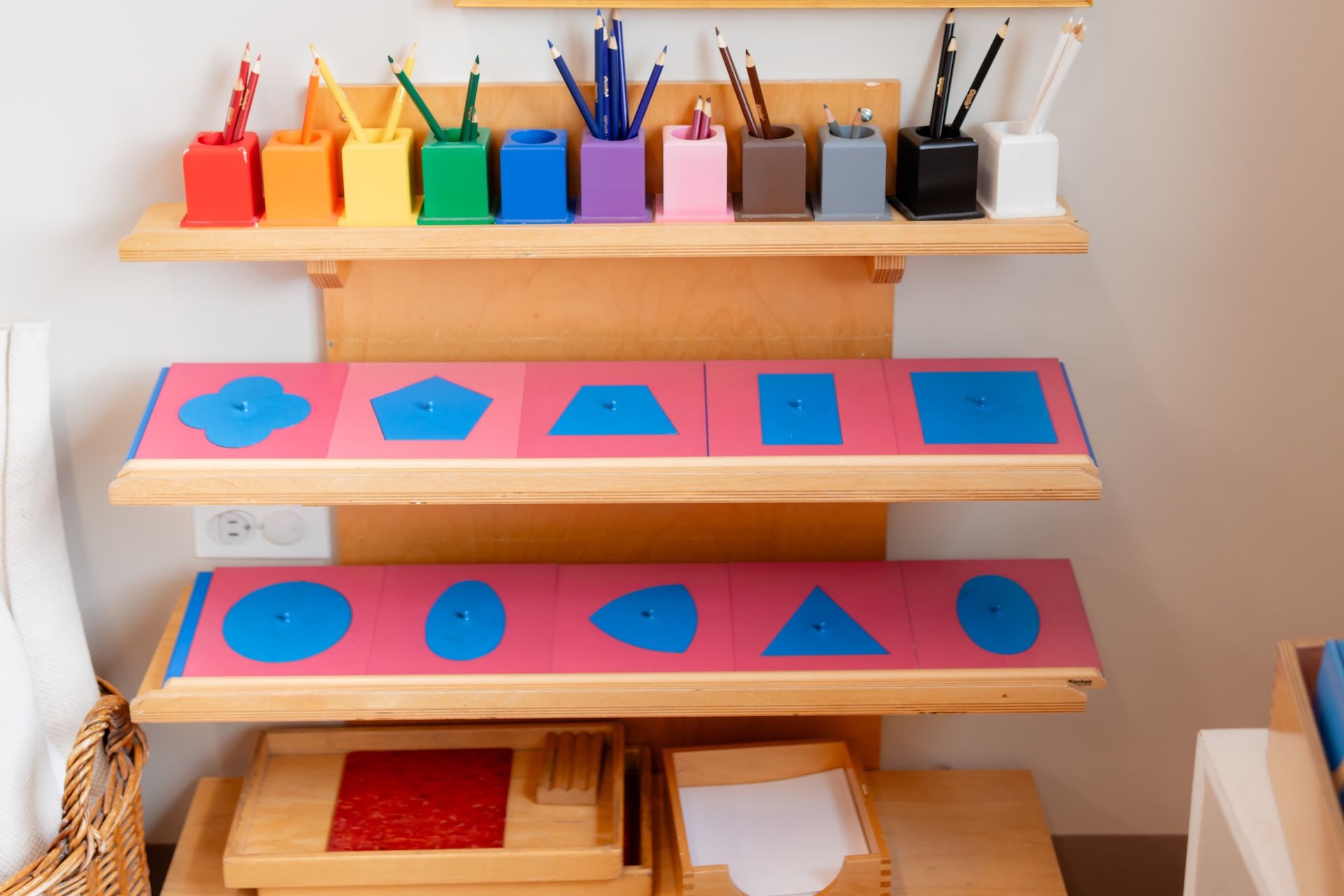
At LakeCreek, our team is constantly observing to ensure our environments meet each child’s developmental needs. We look at what is flowing smoothly and where we can refine our support. Sometimes an observation leads us to rearrange furniture for a more natural room layout, or we might notice an individual child needs a few quiet moments to observe their peers before jumping into an activity. Other times, we realize as adults that we need to slow down our own movements to keep the energy in the room calm and centered.
While we are continuously adjusting based on what we see, there is one aspect of our daily rhythm that remains sacrosanct: the uninterrupted three-hour work cycle.
Three-Hour Work Cycles & the "Flow State"
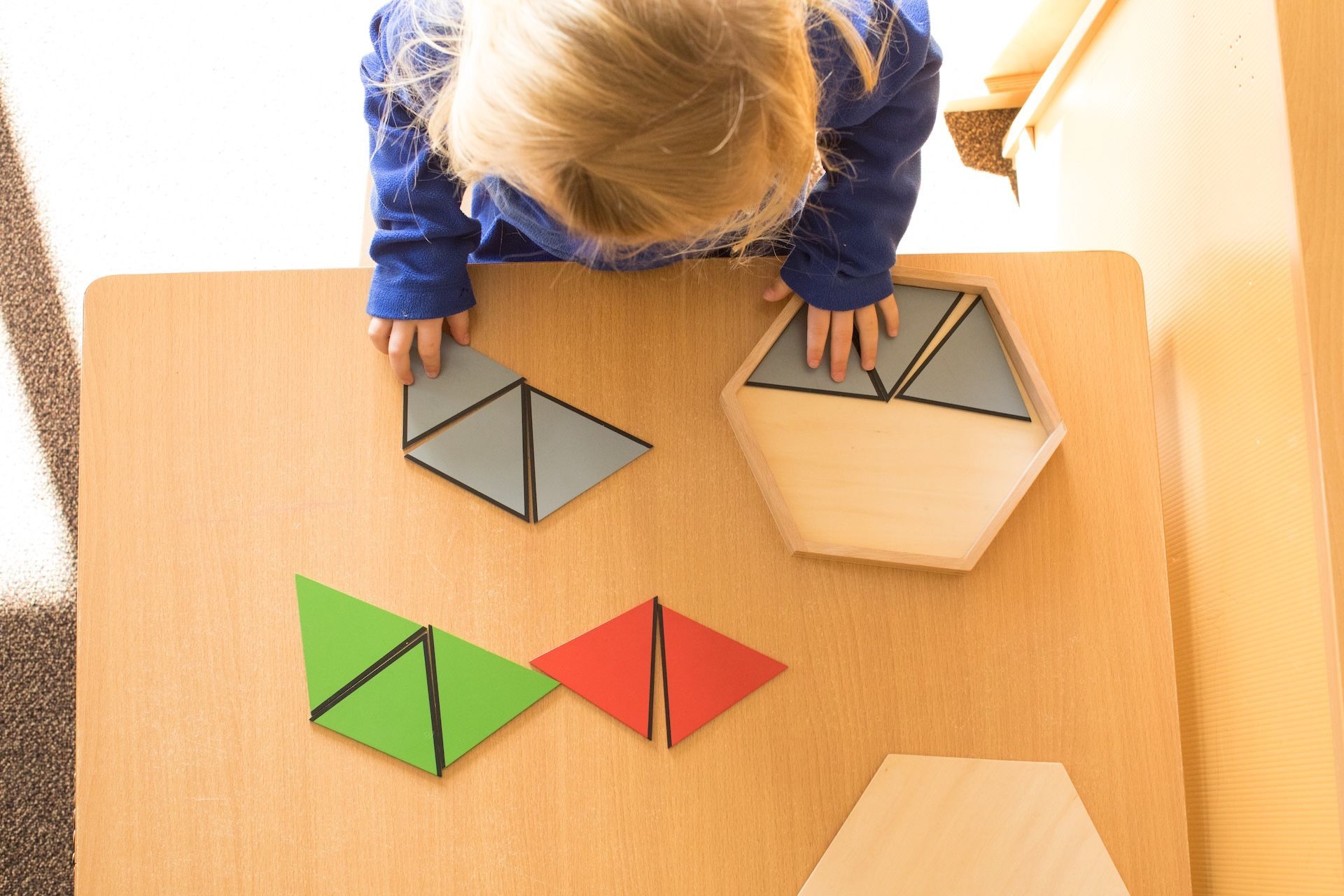
Dr. Maria Montessori was, at her core, a scientist. The Montessori approach was born directly from her detailed observations of children and how best to support their natural human development. She mapped and graphed patterns of activity for both individual children and entire classroom communities, discovering that children need a sustained, uninterrupted block of time to move through a natural cycle of trial, concentration, and consolidation.
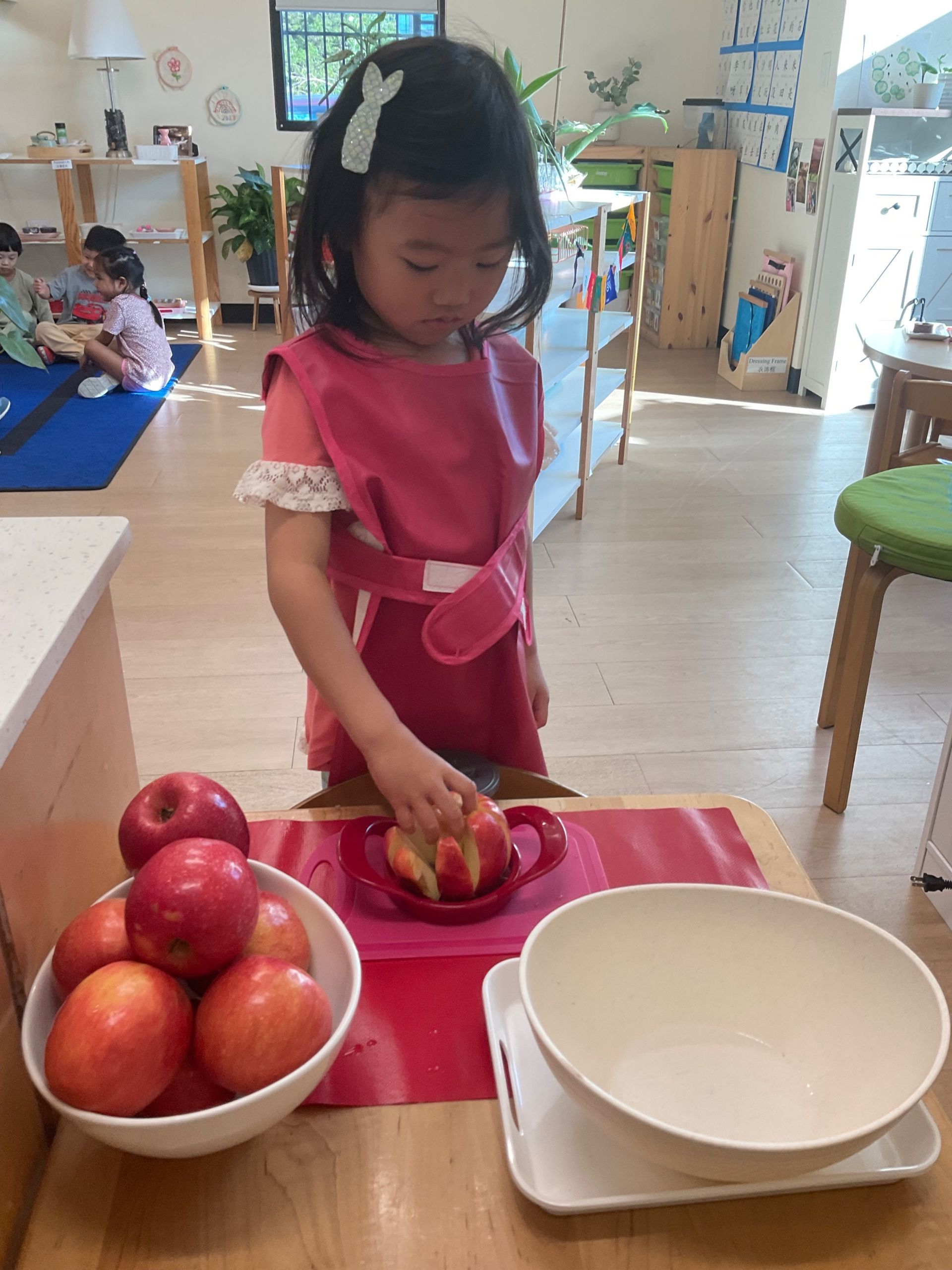
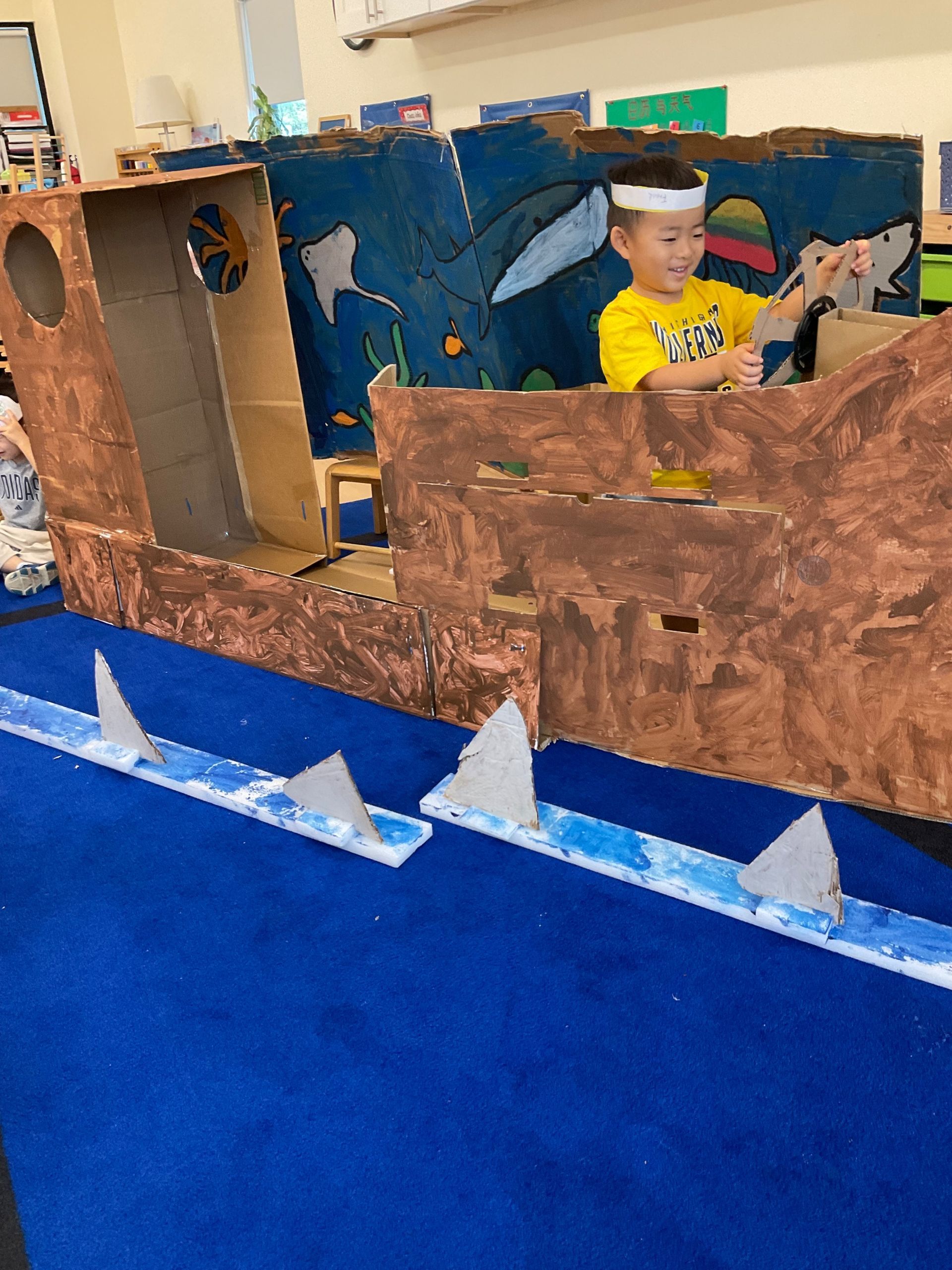
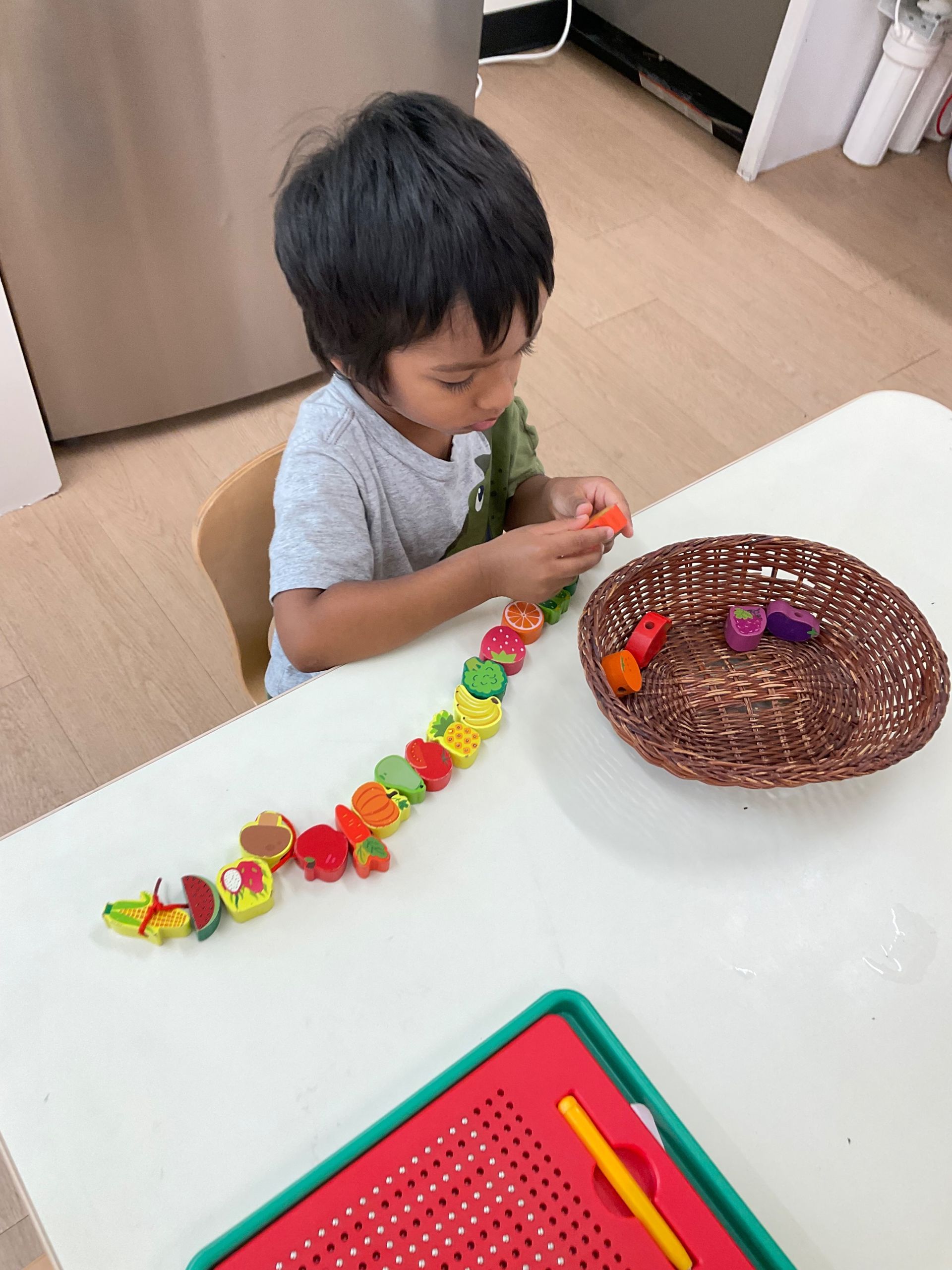
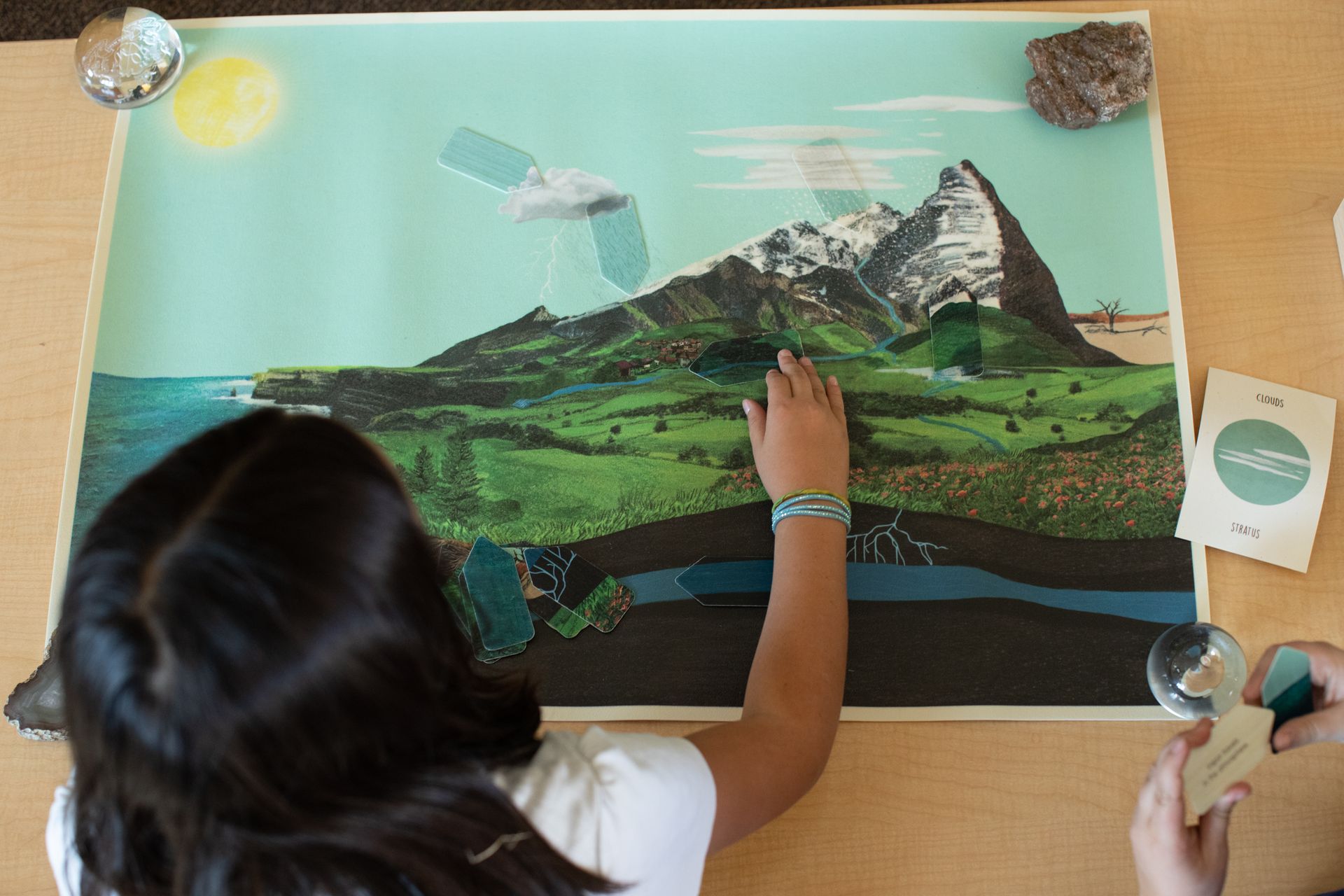
For children aged two and a half and older, a three-hour block is essential to move through these deeper waves of focus. Often, a child's most significant developmental breakthroughs and meaningful accomplishments occur toward the end of this block.
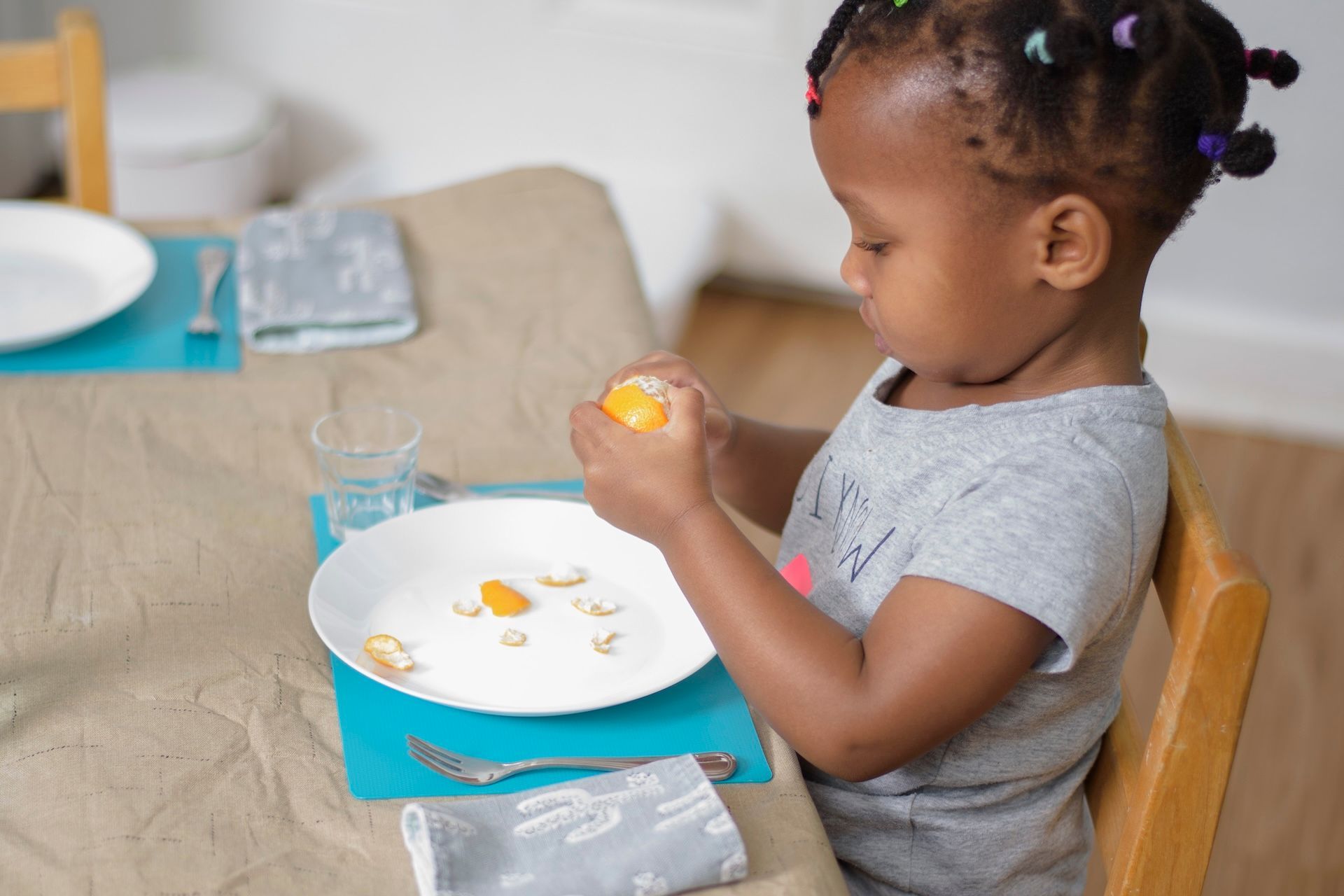
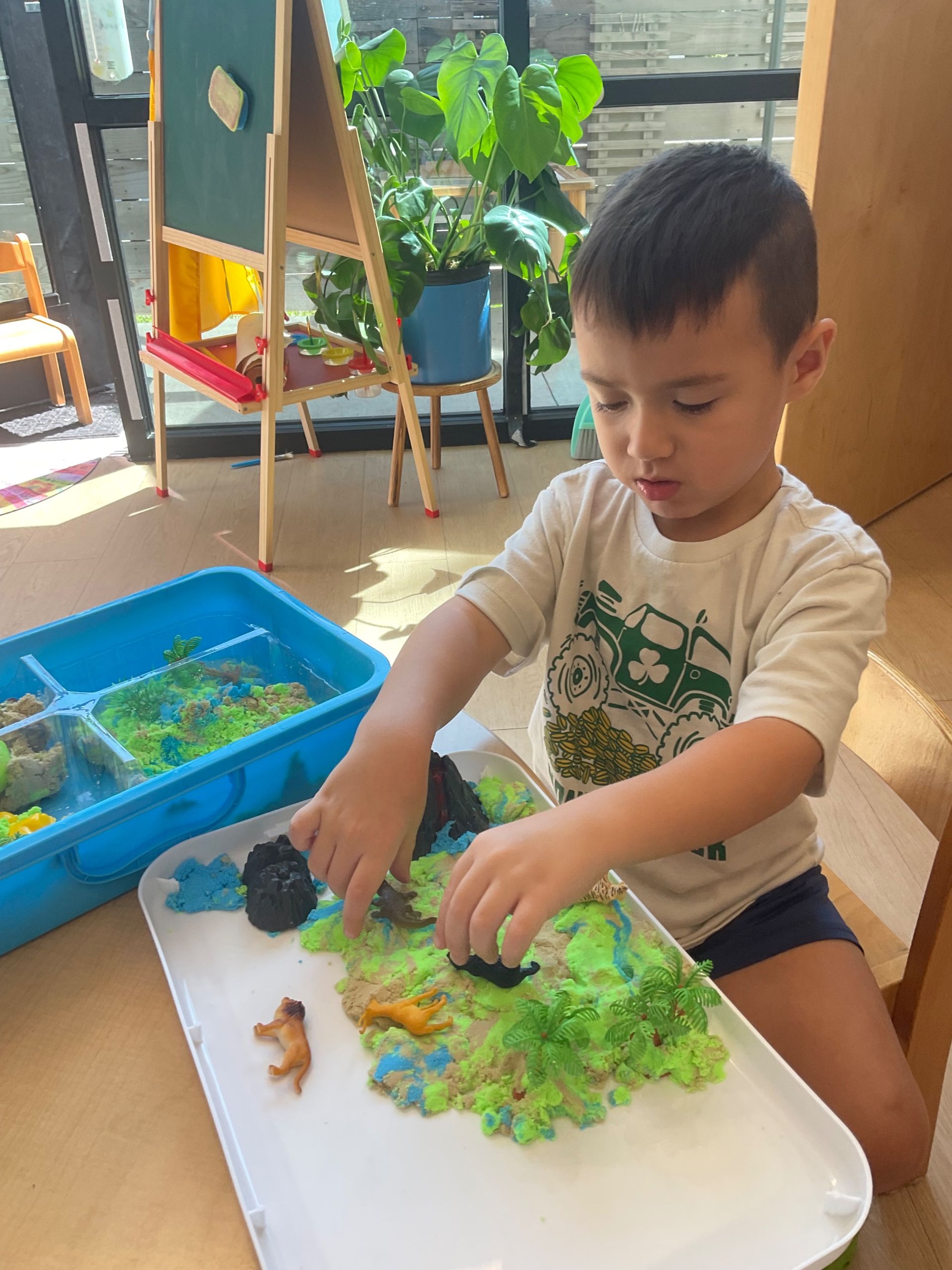
In modern terms, we can think of this as achieving a "flow state"—sometimes described as "being in the zone." It is that state of deep immersion where time seems to stand still because our minds are completely engaged in what we are doing.
The concept of flow was famously articulated by psychologist Mihaly Csikszentmihalyi in his landmark research on creativity and productivity. Interestingly, when Csikszentmihalyi later observed his own grandchildren in a Montessori school, he recognized that the Montessori environment is uniquely structured to allow young children to access this deeply focused, joyful state of learning naturally.
Why Arrival Time Matters for the Work Cycle
To enter their own state of flow, children need that uninterrupted morning block. We deliberately structure our drop-off window so children can complete their entry routines without feeling rushed before stepping into the prepared environment.
When children arrive promptly during the arrival window, they have time to store their belongings, change into indoor shoes, and greet their guides and friends. Once everyone is settled, the guides can give their undivided attention to presenting new lessons and supporting children as they choose their work.
When arrivals stretch past the scheduled drop-off window, several things happen:
- Split Focus for Guides: The adults in the room must divide their attention between greeting late arrivals and supporting the children who are already mid-lesson or deep in concentration.
- Social Disconnection for the Arriving Child: Entering a space where everyone else is already working and connected can feel daunting. It is much like arriving late to a gathering where conversations are already well underway. For children who rely on a strong social check-in to ground their day, missing the collective start makes transitioning significantly harder.
- Disruption to the Classroom Community: When classmates enter late, children who are already focused often lose their train of thought or feel compelled to stop their work to say hello. Once the full community has arrived and settled, a peaceful, gentle hum settles over the classroom—a state that is difficult to achieve when transitions are ongoing.
Small Transitions Make a World of Difference
Transitions take time. Some children move through their morning routine swiftly, while others need 15 minutes just to hang up a coat, swap shoes, and center themselves.
Arriving on the earlier side of our drop-off window ensures these transitions happen smoothly, with a guide present to offer a warm, unhurried greeting.
We know mornings with young children can be full of unexpected hurdles. Believe us, we understand! If we could simply extend the morning work cycle when schedules run late, we would. However, our daily rhythm relies on this structure: children get hungry for lunch, we need ample time outdoors, and our resting children require a predictable schedule.
An on-time start protects this critical block of time, providing the stability your child needs to reach those deep levels of independent concentration. We also know that sometimes appointments or other scheduled events happen. Please let us know if you will be arriving a little later than usual.
Partnering with You
Thank you for your ongoing care in prioritizing on-time arrivals and protecting our community’s work cycle.
If your family is finding morning routines challenging right now, please reach out to us! We would love to sit down with you one-on-one to brainstorm practical, healthy morning strategies that work for your home. When we collaborate on these routines, we almost always find creative solutions that make mornings smoother for everyone.