Myth vs. Reality: What Does a Day in a Montessori Classroom Actually Look Like?
If you are exploring Montessori education for your child, chances are you have heard a few conflicting theories.
On one hand, there is the myth that Montessori classrooms are completely unstructured—spaces where children roam freely, doing whatever they please without guidance. On the other hand, some imagine a environment so rigid and quiet that it stifles a child's natural joy and creativity.
So, what is the reality inside an authentic Montessori classroom?
At LakeCreek Montessori School, we often tell prospective families that the best way to understand Montessori is to witness it firsthand. When parents sit quietly in an observation chair and watch the natural rhythm of our classrooms, their perspective shifts completely. They don't see chaotic play or rigid silence; they see calm focus, joyful independence, and deep mutual respect.
Whether you are preparing for your first classroom observation or simply curious about our daily rhythm, here is a glimpse into what happens inside a high-fidelity Montessori classroom.
The Morning Arrival: Building Purpose from the Start
From the moment a child steps through our doors at LakeCreek, expectations are set with care and intention.
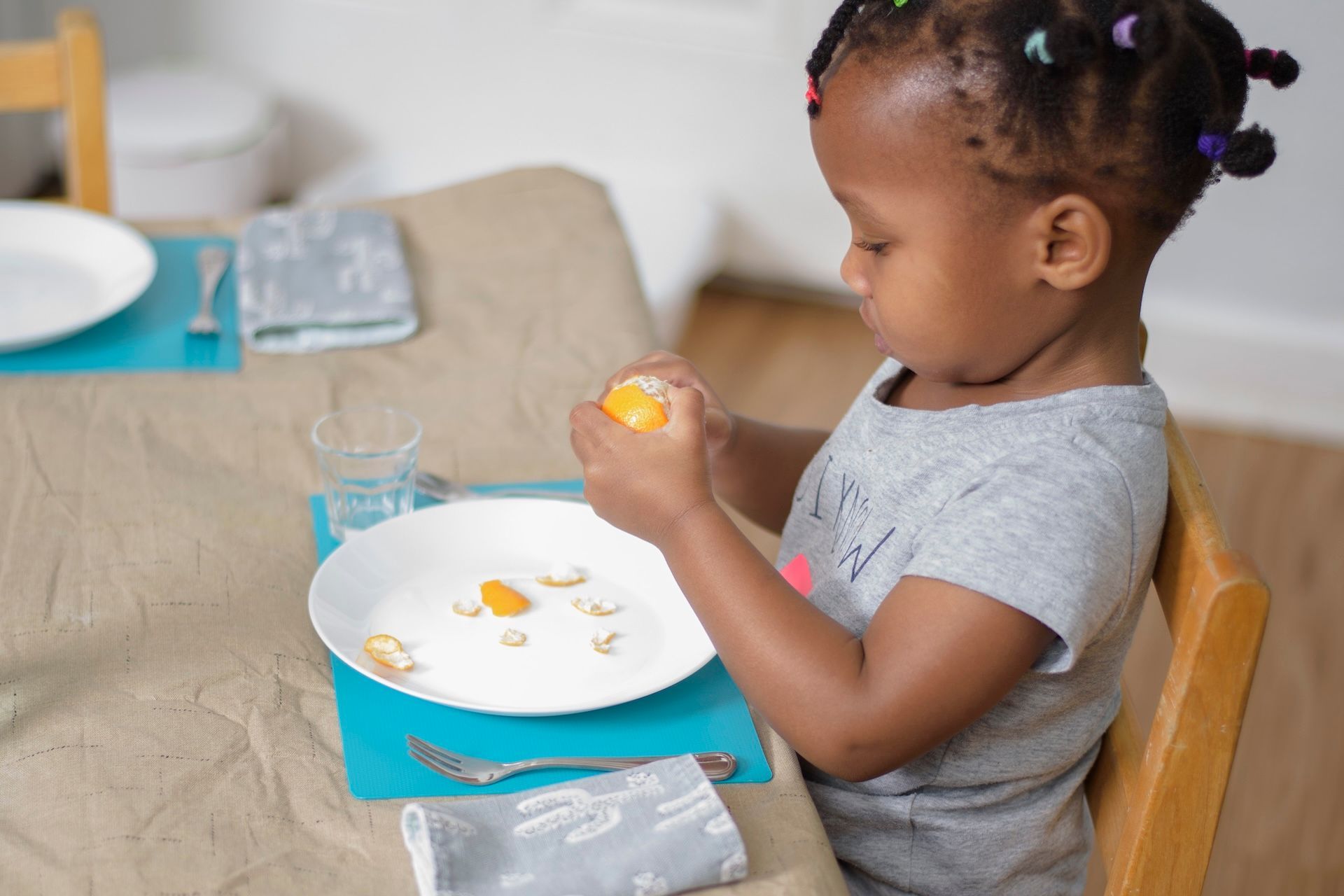
Even in our youngest Toddler environments, children take an active role in their arrival routine. They hang their own backpacks on low hooks, take off their outdoor shoes, and slip into indoor shoes or slippers. This simple routine serves two important purposes: it maintains a clean environment for floor work, and it signifies a psychological transition into a comfortable, home-like space designed specifically for them.
As children enter, guides greet each student individually—often with a warm handshake, eye contact, and a personalized greeting. By intentionally modeling grace and courtesy from the first minute of the day, we give children the tools to navigate social interactions with confidence both inside and outside of school.
The Uninterrupted Work Period: Deep Focus and Freedom
The hallmark of the Montessori approach is the morning work period—a long, uninterrupted block of time where children engage in self-directed learning.
We know that children require time to transition into deep concentration. Rather than dividing the morning into short 30-minute periods governed by bells, we protect a extended work cycle (typically three hours in our Primary classrooms, and tailored appropriately for our Toddlers).
During this time, you won't see a guide standing at the front of the room lecturing to a passive group. Instead:
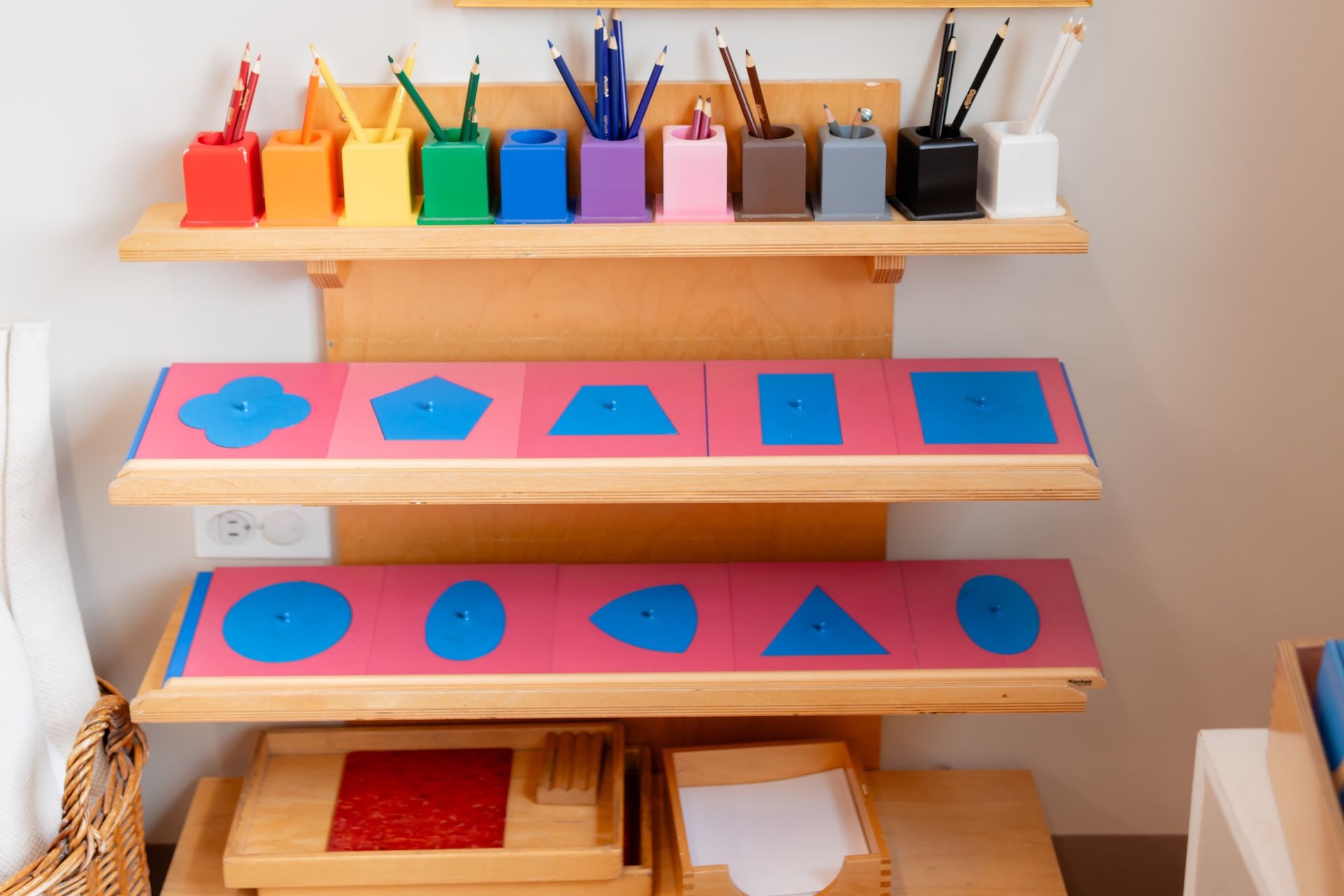
- Independent and Small-Group Practice: Children select work from open, orderly shelves based on previous lessons given by their guide.
- Movement and Autonomy: Children have the freedom to move around the room, select where to sit (at a table or on a floor mat), get a drink of water, or use the restroom independently when their body indicates a need.
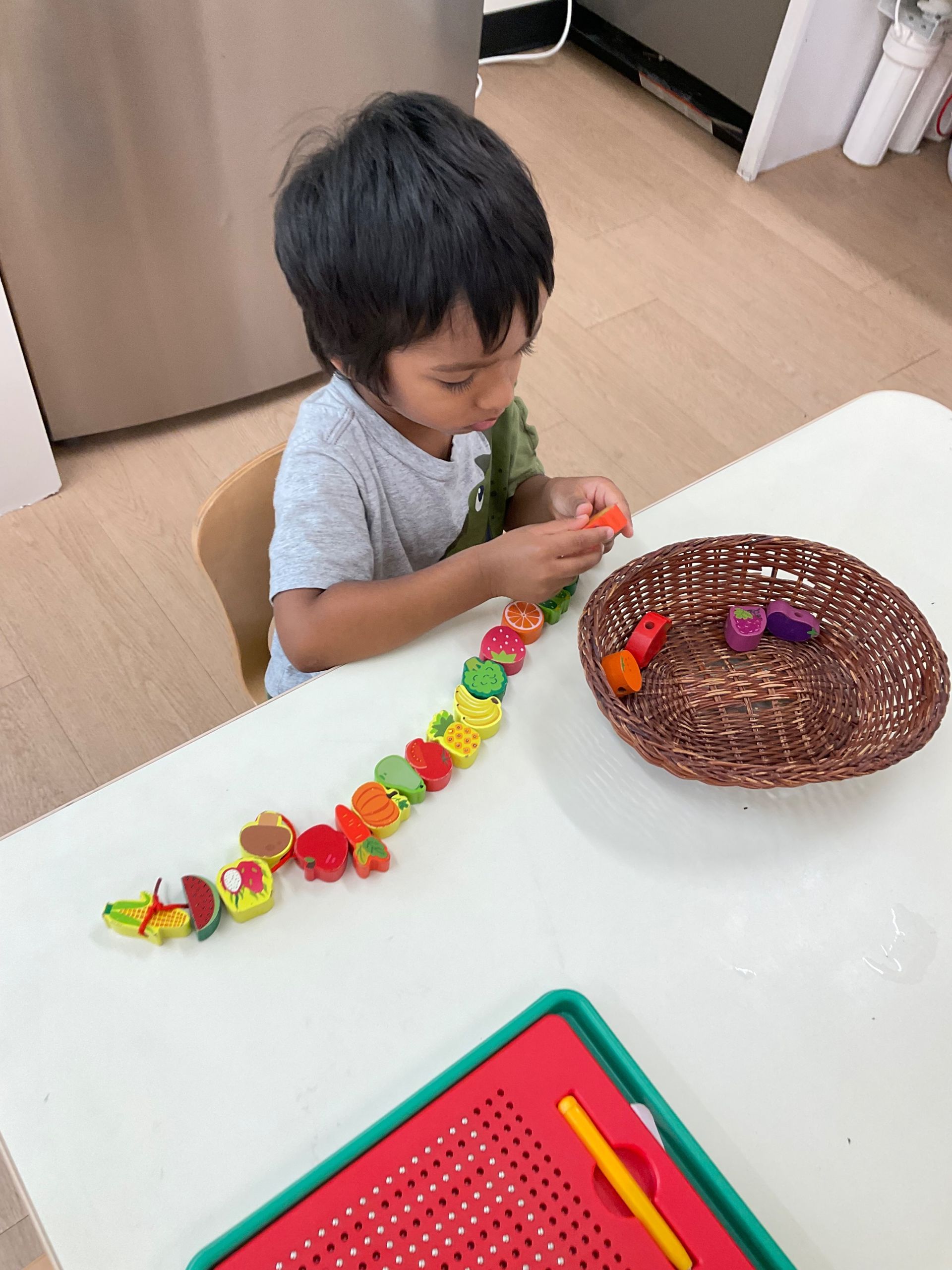
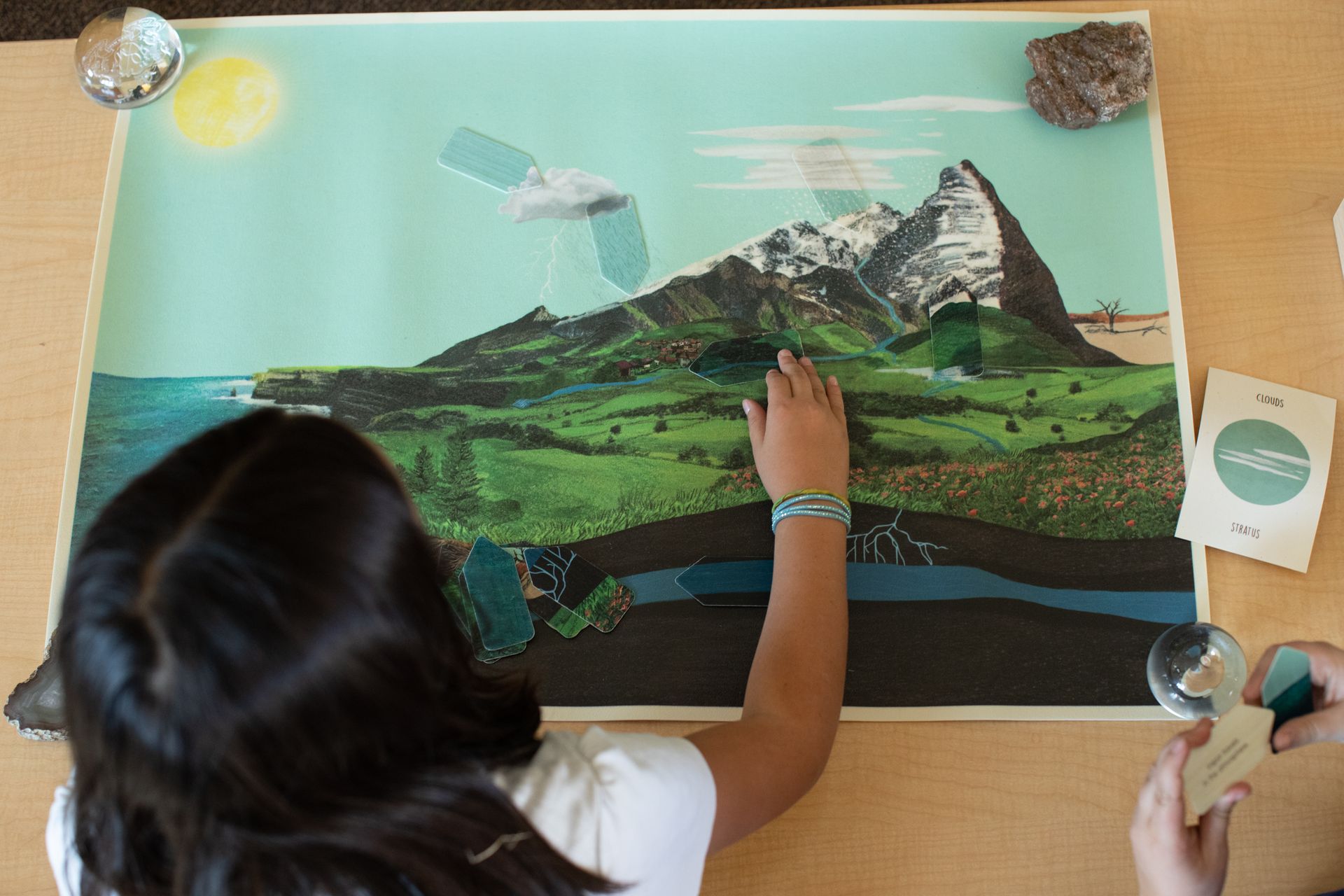
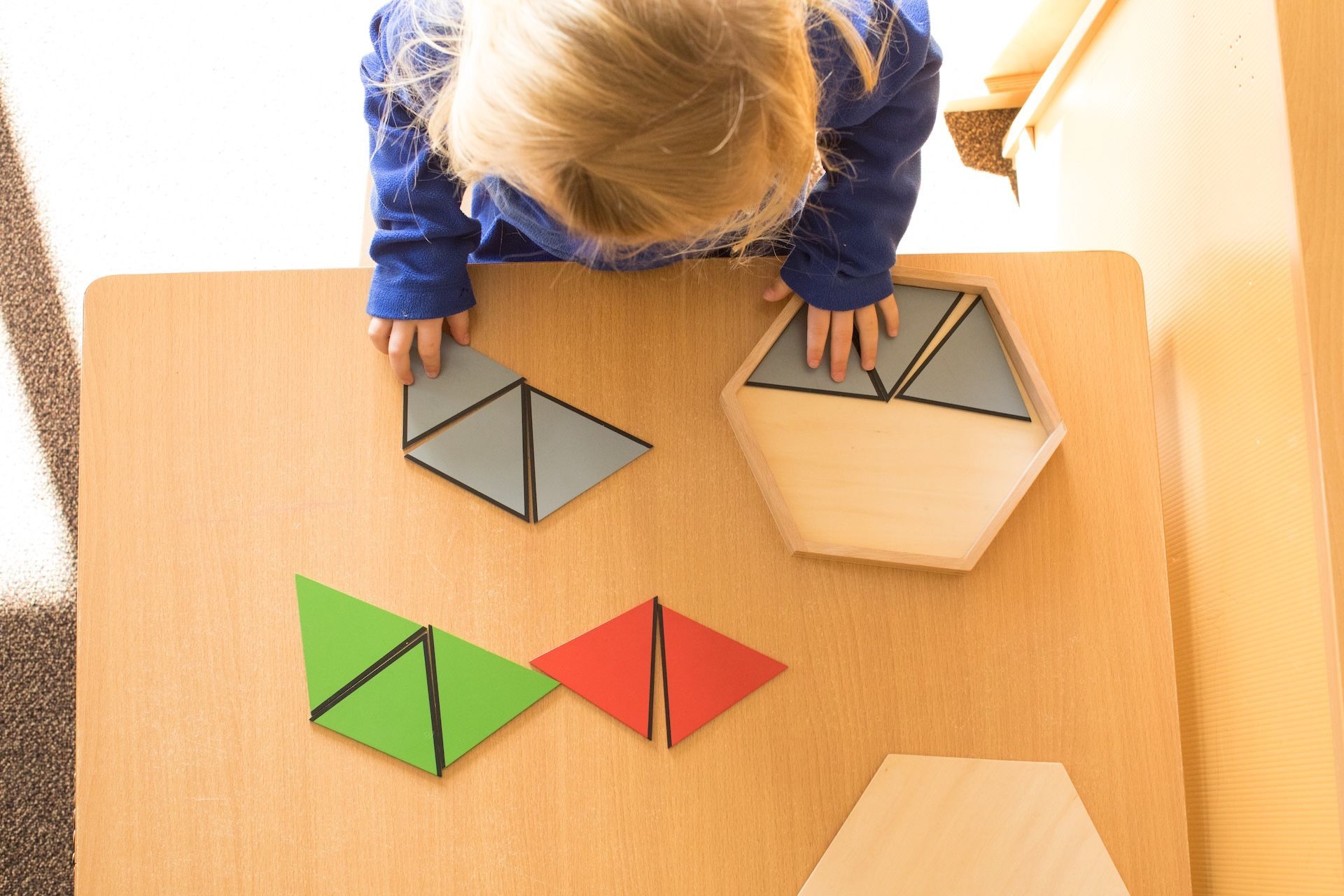
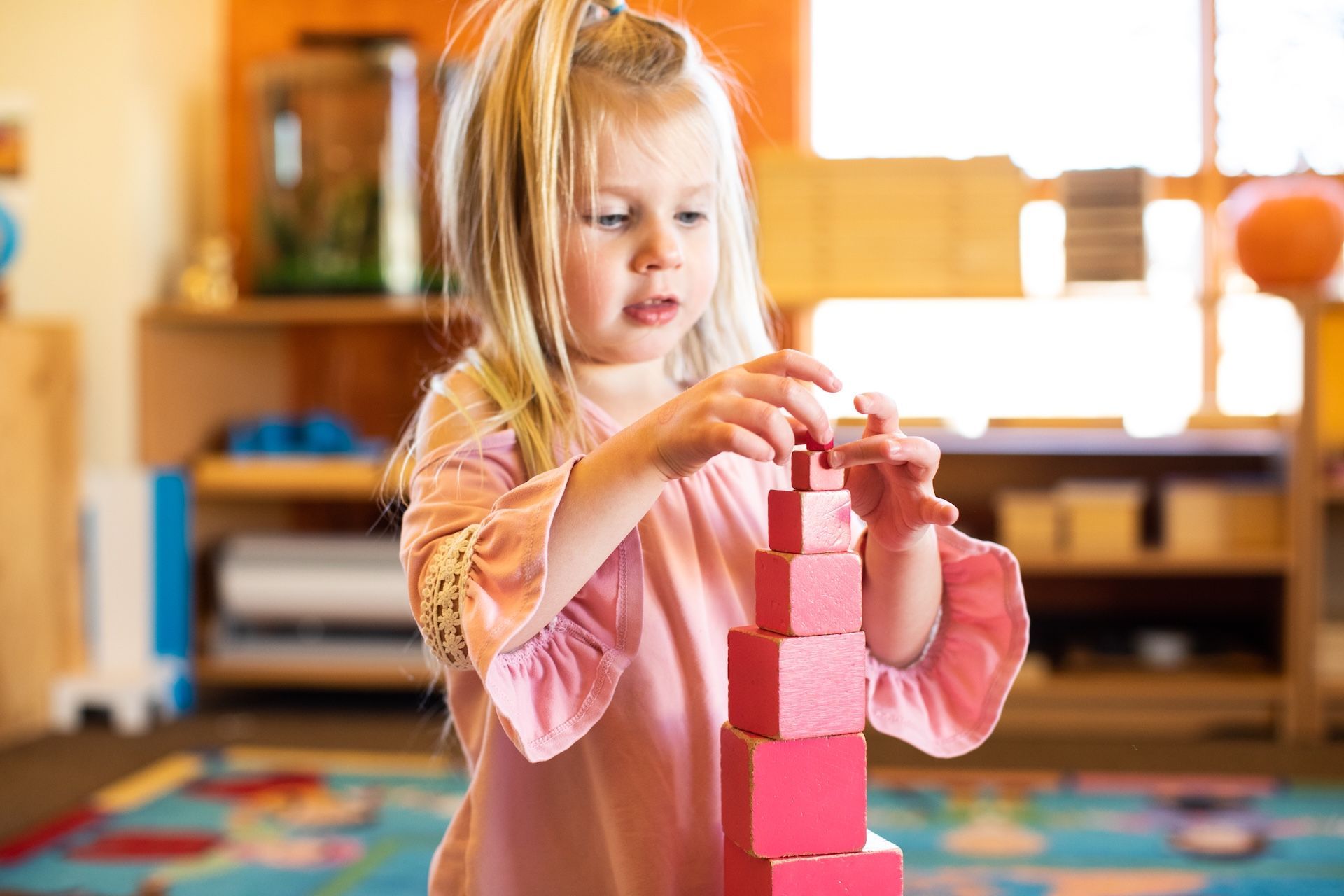
- Purposeful Materials: What might look like simple wooden puzzles or colorful beads to a casual observer are actually precisely engineered materials. A set of wooden shapes teaches the botanical structure of leaves; a chain of gold beads introduces concrete mathematical concepts like cubing and base-ten arithmetic.
By balancing freedom with clear parameters, children build internal motivation, spatial judgment, and executive functioning skills that far exceed traditional expectations.
Social Development and Community Life
Montessori environments are structured to support the whole child, with a deep focus on social and emotional growth.
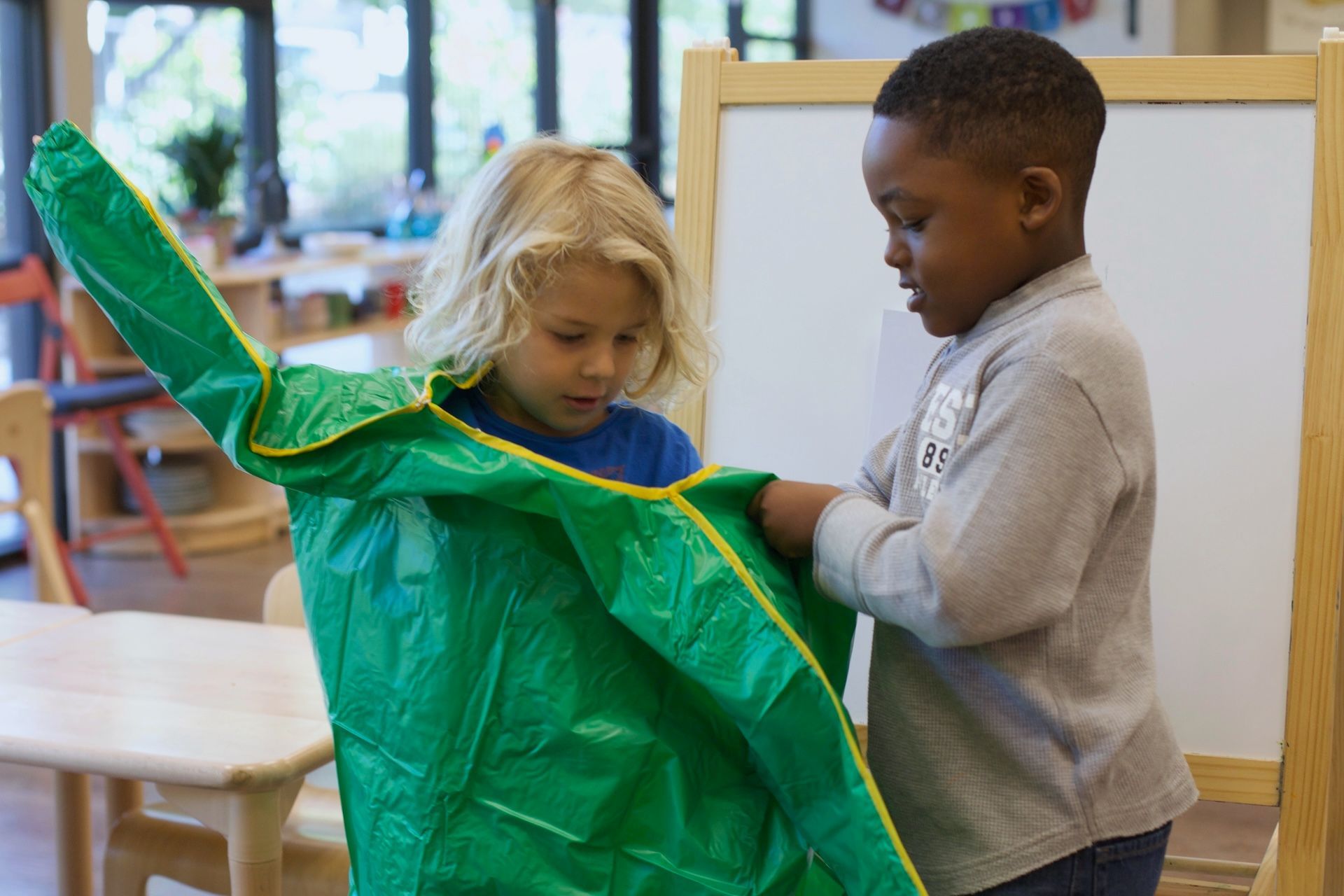
Because children are not assigned fixed seating, they learn how to navigate social choices daily. They practice choosing whether to work independently or with a partner, learning over time which peers help them stay focused on a task and which friendships are best enjoyed during outdoor play.
When social friction or conflict arises—as it naturally does in any healthy community—our guides don't simply impose a quick fix. We take the time to teach conflict resolution, graceful communication, and boundary setting. Through role-playing, stories, and guided mediation, children learn how to express their feelings, listen to others, and resolve differences peacefully.
The Role of the Montessori Guide
One of the biggest differences parents notice in a LakeCreek classroom is how our adults interact with the space. We call our teachers guides because their primary role is to lead children toward discovery rather than dictate every step of their day.
- Individualized Instruction: In the early years, most lessons are given one-on-one. This allows the guide to tailor the lesson to the child's exact developmental readiness and learning style.
- Knowing When to Step Back: A key skill of a Montessori guide is observing when a child is struggling productively and stepping back to let them solve the problem independently. This restraint builds true resilience and self-reliance.
- Continuous Observation: Guides spend a significant portion of their day observing the classroom. They keep detailed records of which materials a child has mastered, where they need additional support, and how their social interactions are evolving.
The guide is not the focal point of the classroom; the child and their learning process are.
Experience LakeCreek in Action
Reading about a Montessori classroom offers a helpful overview, but seeing the quiet energy, purposeful movement, and independence of the children in person is where it all comes together.
If you are considering LakeCreek Montessori School for your child, we invite you to schedule a visit to observe our spaces in action and see how our prepared environments support every stage of early childhood development.