From Passion to Mastery: Understanding Sensitive Periods in the Montessori Classroom

"A child learns to adjust himself and make acquisitions in his sensitive periods. These are like a beam that lights interiorly or a battery that furnishes energy. It is this sensibility which enables a child to come in contact with the external world in a particularly intense manner. At such a time everything is easy; all is life and enthusiasm. Every effort marks an increase in power. Only when the goal has been obtained does fatigue and the weight of indifference come on. When one of these psychic passions is exhausted another area is enkindled. Childhood thus passes from conquest to conquest in a constant rhythm that constitutes its joy and happiness."
— Dr. Maria Montessori
Have you ever watched a toddler spend twenty minutes intently buttoning and unbuttoning a coat, or noticed a four-year-old meticulously tracing sandpaper letters over and over again with complete, quiet joy?
To an outside observer, this intense repetition might look like simple play or quirky persistence. But to a Montessori guide, it is a clear signal that the child is in the midst of a sensitive period.
Dr. Maria Montessori discovered that young children pass through specific windows of time during which they are naturally primed to acquire particular skills, such as language, order, motor coordination, or social harmony. During these windows, a child craves practice with an intense, joyful passion. Learning does not feel like labor; it feels like an irresistible internal drive. Once the child masters the skill through organic repetition, the intense craving fades, and their inner energy shifts toward the next developmental frontier.
The Developmental Rhythm: What to Expect
Learning is never linear or standardized. Each child arrives at developmental milestones along their own unique timeline. However, Dr. Montessori observed strong, universal patterns across childhood.
Understanding these windows helps us as parents and guides offer the right support at precisely the right moment.
Infant & Toddlerhood (Birth to Age 3)
In our Toddler community, learning is deeply physical, sensorial, and communicative. During these early years, children are building the core foundations of human capability.
- Verbal Language: In the early months, infants absorb the sounds, rhythms, and inflections of speech around them long before they form their first words. As they transition into toddlerhood, their expressive language expands rapidly—moving from single words to complete sentences and rich vocabulary building.
- Sensory Refinement: Infants and toddlers use their hands, mouth, eyes, and ears to make sense of the physical world. Our prepared toddler environments feature tactile, natural materials specifically designed to satisfy this drive to touch, explore, and discriminate textures, shapes, and weights.
- Motor Coordination (Fine & Gross): From crawling, walking, and carrying heavy objects to mastering spoon feeding, pouring water, and using simple tools, toddlers work tirelessly to gain control over their bodies.
The Primary Years (Ages 3 to 6)
In the Primary classroom (Children's House), sensitive periods for order, precision, and foundational academics reach their peak.
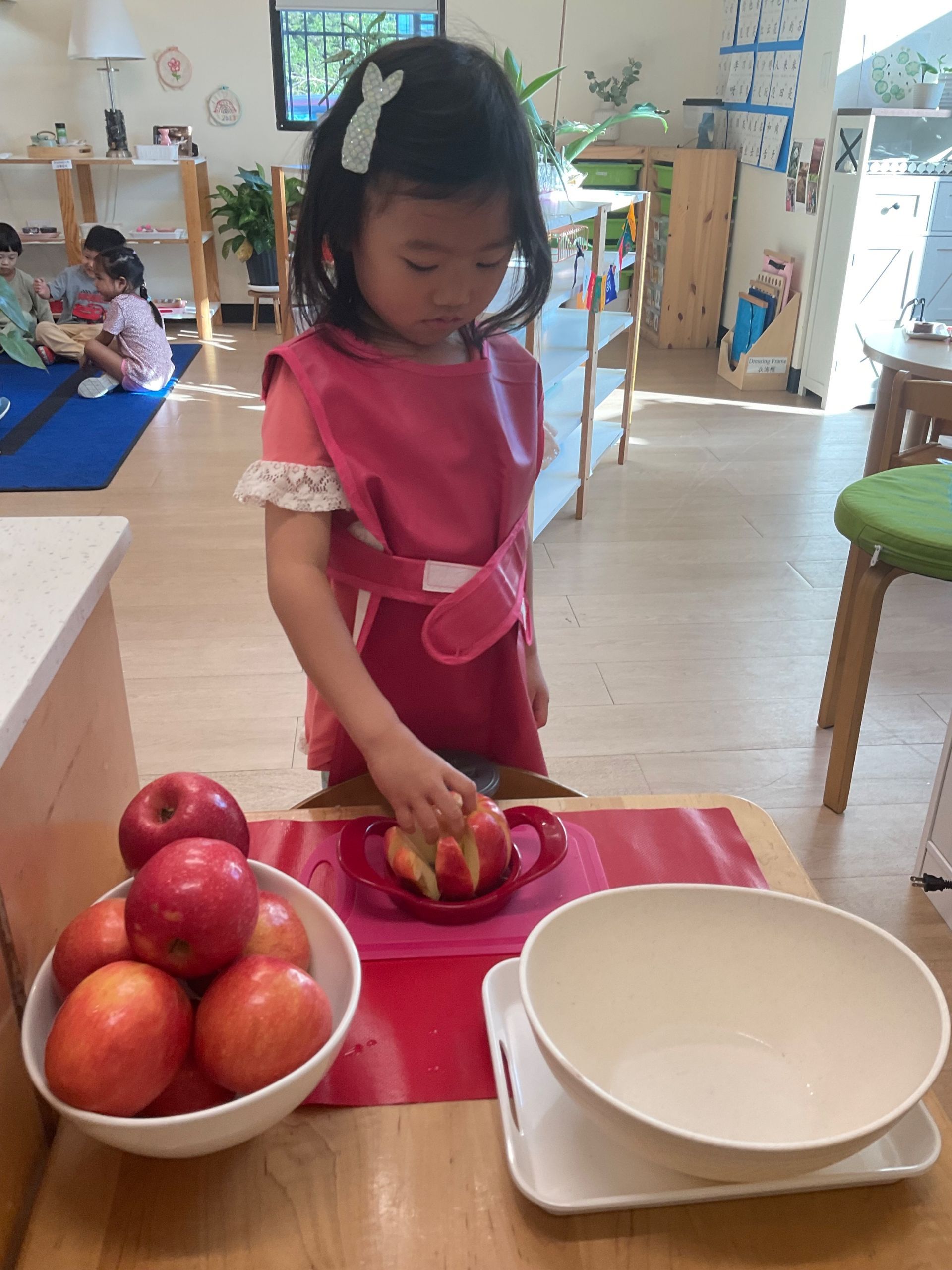
- Order & Spatial Awareness (Ages 2.5 to 4): Young primary children crave consistency in their environment and routines. This sensitive period powers their love for practical life activities, like returning materials to their exact shelf location, washing a table, or folding cloths.
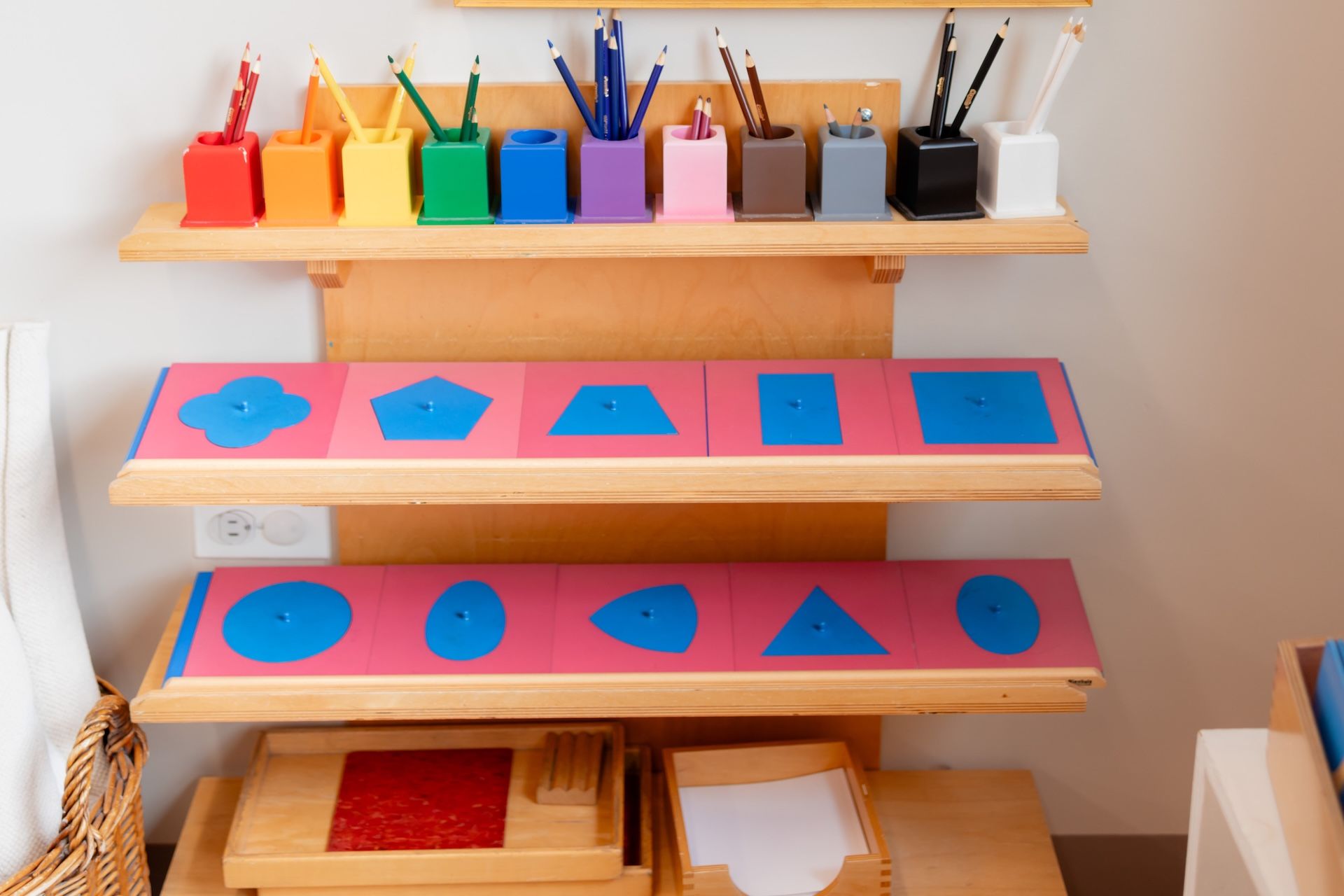
- Fine Motor Control & Pre-Writing (Ages 3.5 to 4.5): Children become fascinated with hand control. Through materials like the Metal Insets and Sandpaper Letters, they refine their pencil grip, trace deliberate lines, and develop the muscular memory required for fluid writing.
- Reading & Language Synthesis (Ages 4 to 5): Once a child connects speech sounds to visual symbols, an "explosion into reading" often occurs. They move eagerly from blending simple phonetic sounds to reading phonetic words, sentences, and stories.
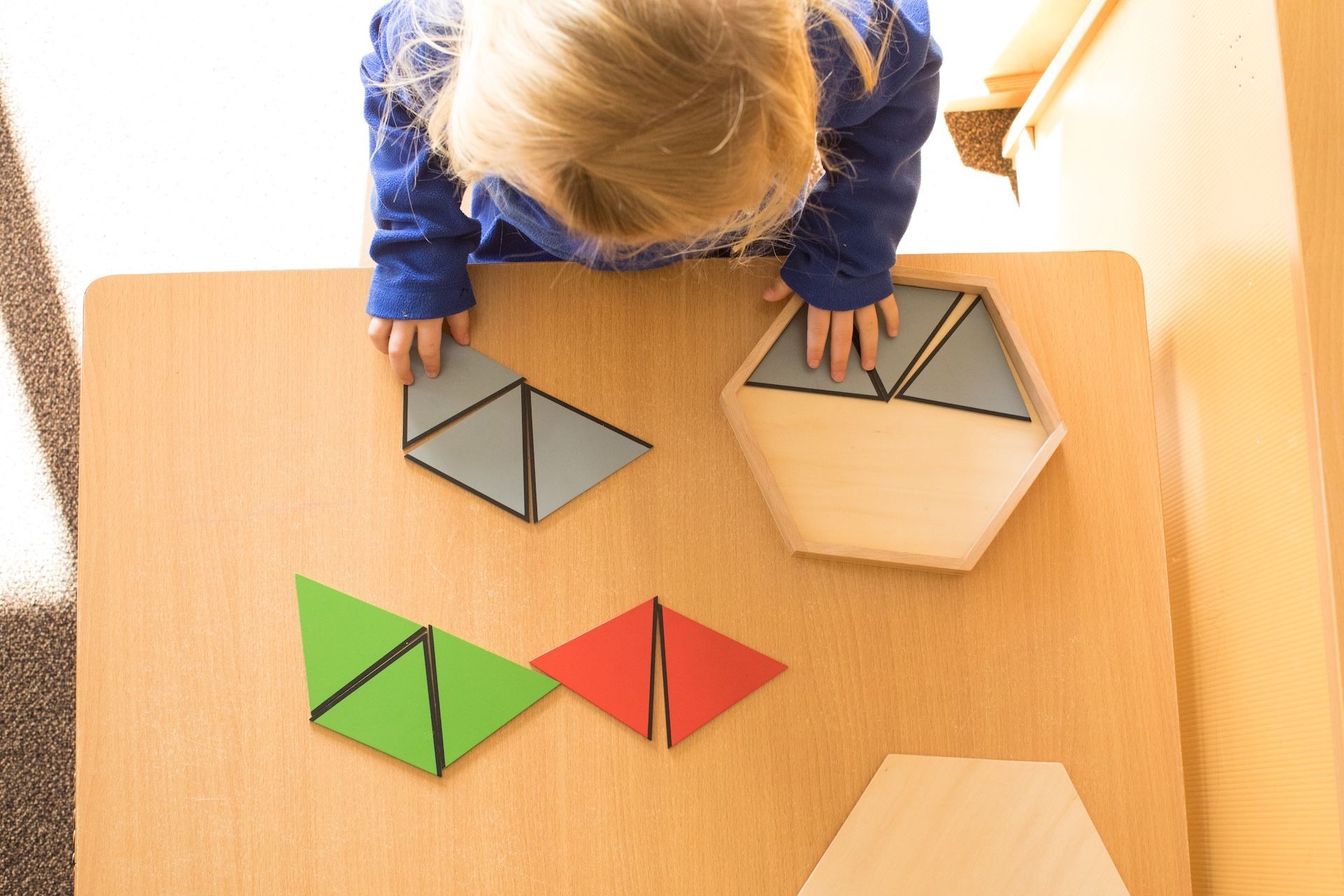
- Mathematics & Concrete Numeration (Ages 4 to 5.5): Young children have a natural mathematical mind. Using hands-on materials like the Number Rods and Golden Beads, they physically feel quantities, build place value understanding up to the thousands, and carry out mathematical operations with joy and deep understanding.
The Elementary Years (Ages 6 to 12)
As children enter the second plane of development, their sensitive periods shift from physical and sensorial mastery to intellectual, social, and moral exploration.
- Social Consciousness & Peer Community: While primary children often engage in parallel work, elementary children crave collaborative connection. They want to plan together, discuss big ideas, resolve interpersonal challenges, and learn from one another.
- Morality, Fairness, and Justice: Elementary children possess a heightened sense of fairness. They love establishing rules for games, debating ethical questions, and discussing how human beings care for one another and their planet.
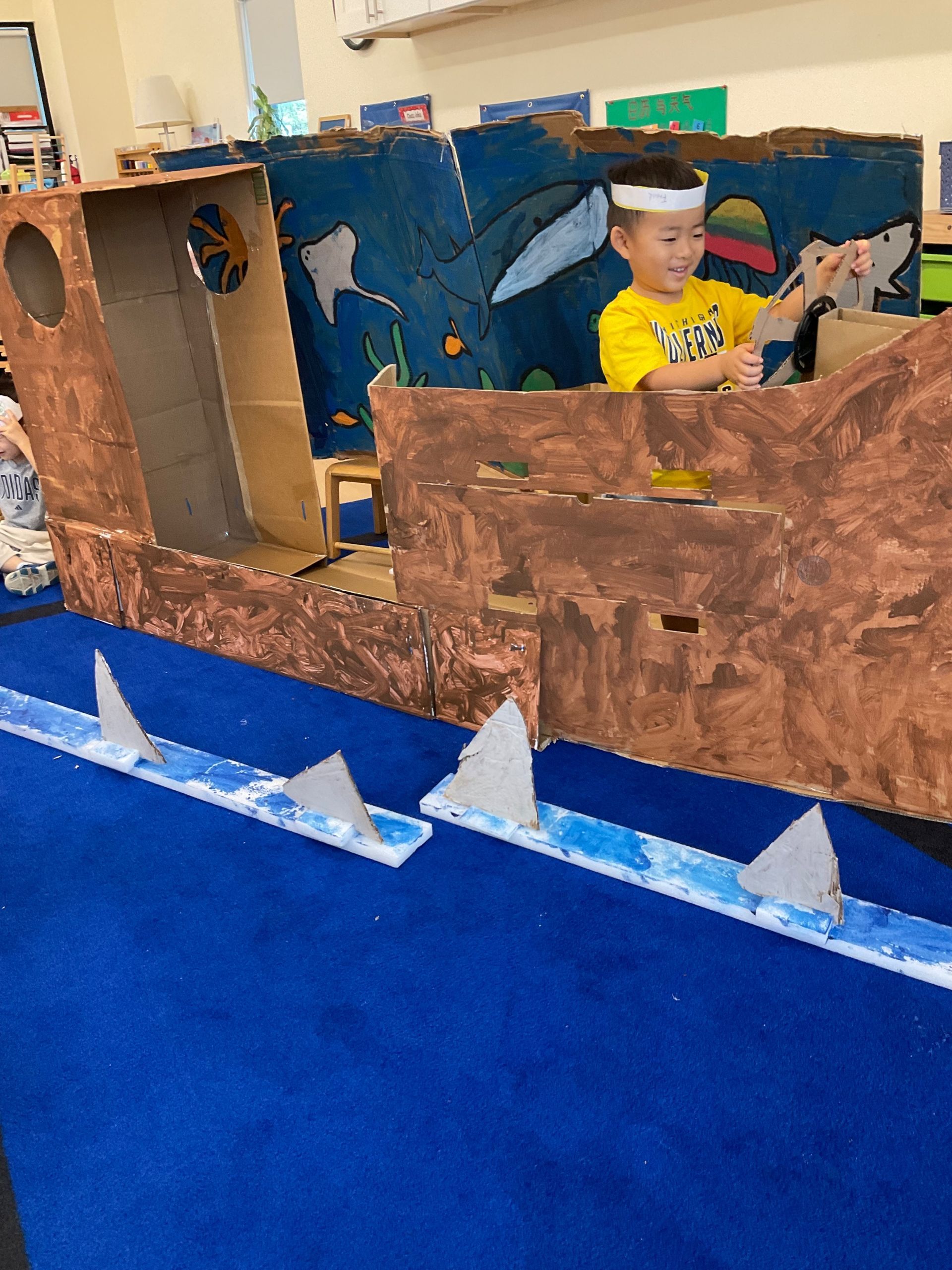
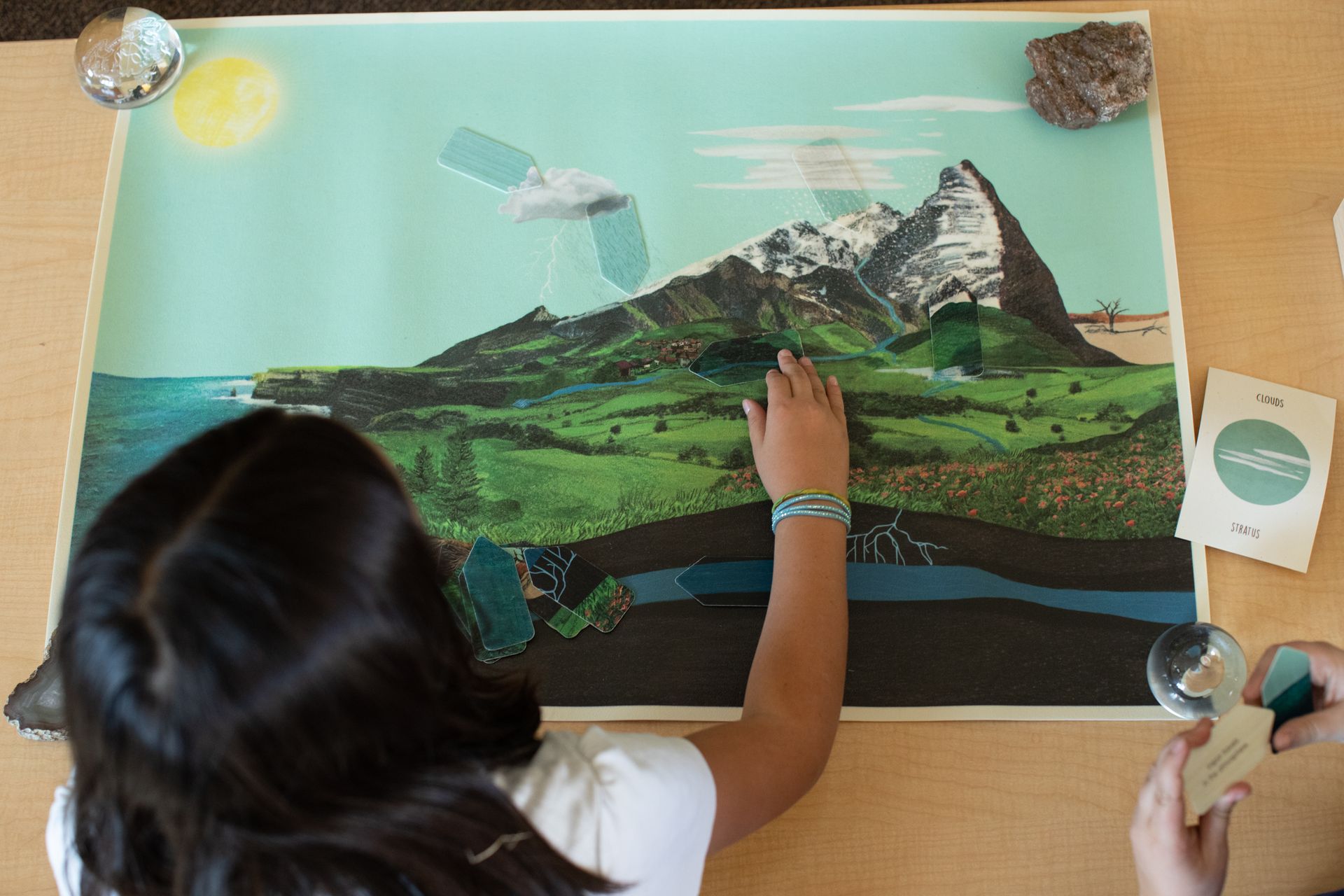
- Imagination as an Intellectual Tool: At this stage, imagination expands beyond pretend play—it becomes the child's primary tool for understanding abstract concepts. Storytelling, such as the Montessori Great Lessons, sparks curiosity about the universe, scientific phenomena, and human history.
- Cosmic Education & Human Culture: Children naturally ask big questions: Where did the universe come from? How did language begin? How do people live around the world? They are eager to understand the interconnectedness of all living things throughout history.
The Role of the Adult: Observing and Protecting the Spark
As parents and educators, our role is not to force learning according to an arbitrary calendar, but to observe carefully and prepare an environment that meets the child's active sensitive periods.
When we notice a child entering a period of deep focus or repeating a task again and again, our most important job is to get out of the way. We offer unhurried time, protect them from unnecessary interruptions, and provide accessible, meaningful activities that satisfy their developmental drive.
When a sensitive period is honored, learning feels light, joyful, and deeply satisfying. Once that window passes, acquiring the same skill later in life requires conscious, effortful discipline. By aligning our school environment and home routines with these natural developmental rhythms, we give children the gift of learning at the height of their passion.
See Our Prepared Environments in Action
We invite you to
observe how our guides prepare spaces that honor each child's sensitive periods in our communities at LakeCreek Montessori School.