How to Encourage Joyful Readers

Proficient reading skills set our children up for success in so many ways. Cultivating a love of joyful reading provides them with a lifetime of inspiration, entertainment, and knowledge.
Do teachers teach kids to read? Of course. What parents do at home plays an enormous role in a child’s perspective and success. Here are our tips to support learning and make reading a positive experience that your child will carry with fondness throughout their lives.
Read to your child - early, often, and as long as they will let you
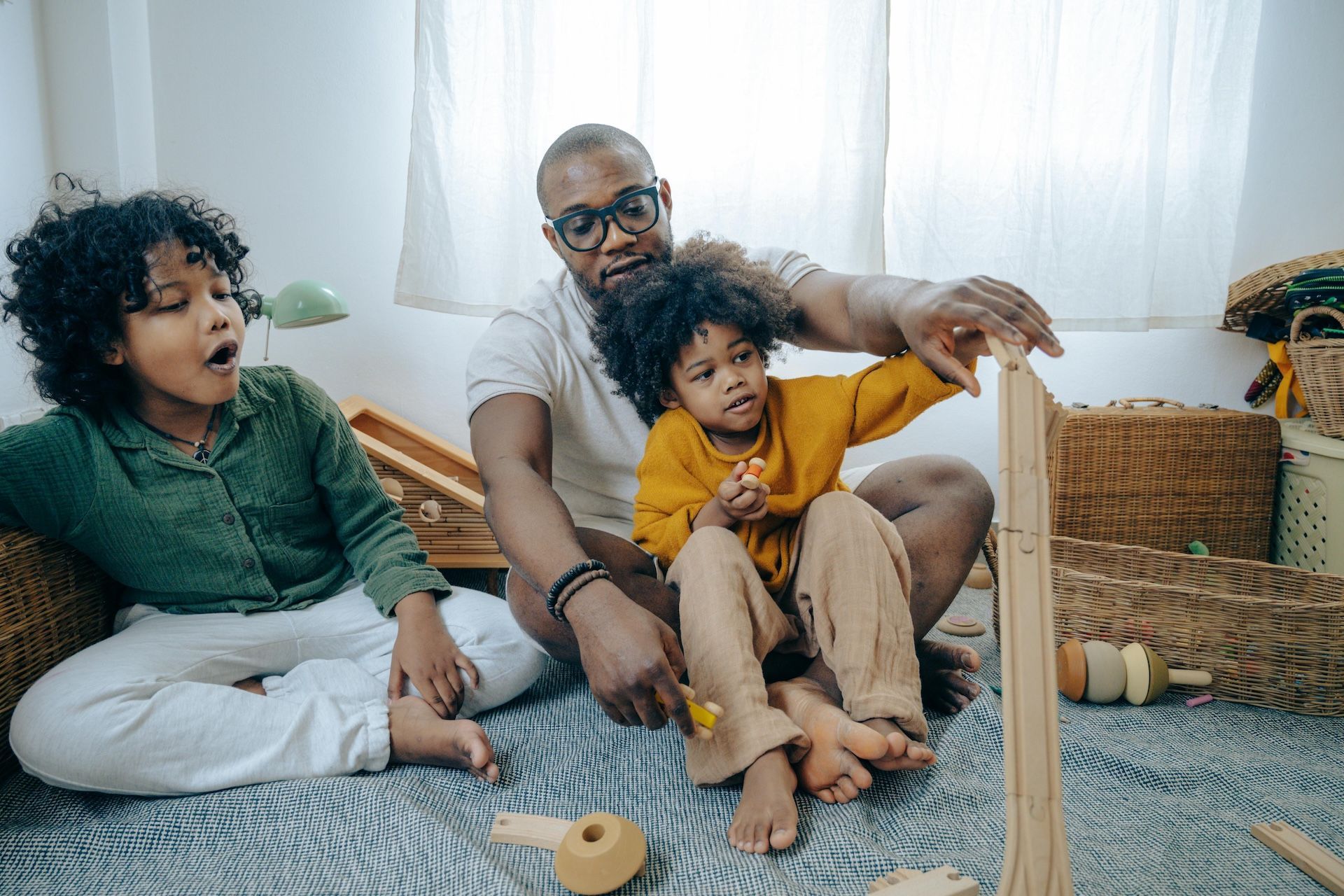
It’s never too early to begin reading to your child. Even infants benefit greatly from hearing the sound of our voices; listening to spoken language is one of the ways most children learn to speak and communicate with others. The tone of your voice also brings comfort, lends familiarity, and reading together daily can become a special part of a child’s routine.
As infants and toddlers begin to grow, board books are perfect because children can learn to turn the pages themselves without fear of accidentally tearing them. When you read to your child at this age, they will delight in the stories and your voice, but they will also begin to learn how to hold and use a book.
As your child gets older, the types of books you read to them will change, but we advocate for sticking with it as long as they are willing. Many families find they still read to their child into their preteen years and beyond. Even when children get to the point of complete reading independence, it’s still a treat to have someone tell us a story.
Be a reader yourself, and let your child see
For so many of us, reading takes on different roles in our lives at different times. You likely had a time in your life when you read for pleasure, though you may or may not do so now. Some parents would like to read more, but feel like they never have enough time.
Consider this a note of encouragement: you deserve the time to read for yourself. Books enrich our lives. They give us a healthy escape when we need one. They teach us and give us new perspectives.
Even if it’s just for ten minutes a day, carve out some time in your routine to read for yourself. Subtly or not, make sure your child knows you’re doing this. While the reading is for you, you may as well reap the benefits of your child seeing you as a reader. Our children look to us as models; we may as well become the people they need us to be by treating ourselves well.
Celebrate the diversity of books
There are heaps of incredible children’s books out there. You may have a few that hold a special place in your heart from your own childhood. You may want to explore current award winners with your child. There are many new titles that cover a vast array of current important topics. Go ahead and explore these all together.
Yet another example of ‘follow the child’, your child will develop literary preferences. We think this is great! Find ways to support their book interests, while also introducing them to new authors, genres, and topics. The more they explore, the better.
Keep in mind this also means your child might be interested in books you would never choose for them! Whether you find yourself dreading yet another sparkle princess fairy book or fart-joke-heavy graphic novel, it’s good to find balance. Some books are like candy: it’s great to enjoy them as long as we fill our diet with other more nutrient-dense choices as well. We also believe that any book that makes a child excited to read is a good thing.
Visit your local library regularly
Some books are nice to have on your shelves at home, especially if you plan on rereading them over and over throughout the years. The truth is, however, children can become fairly voracious readers if we provide them with good materials. Regular trips to the library allow them to explore more books than we could ever keep in our homes.
Libraries also provide so much more than just books to borrow. Many have reading programs to encourage children, programming to get them involved with learning and creativity, and lots of other resources that support literacy and parenting. Every library is different, but they all work hard to serve their unique communities.
If you are able, a weekly visit to the library can become a special ritual you create with your child. Perhaps you go every Tuesday after school, or Saturdays before soccer practice. Whatever you decide, it’s something your child will look forward to, and can add to their list of positive associations with books and reading.
Explore different ways to enjoy literature
Whether your child is a reluctant reader, pre-reader, is differently-abled, or not, audiobooks are a valuable resource. We often speak of the ways technology might level the playing field for everyone, and audiobooks are one option that allow more people to appreciate and engage with literature.
There are many ways to access audiobooks:
- CDs - Often expensive to purchase, these are often available at libraries.
- Stream - Using services like Audible, CloudLibrary, or Hoopla, folks can listen to audiobooks directly from their own devices.
- Playaways - Available at many libraries, these are standalone devices with a single audiobook recorded. All you need to do is plug in your headphones.
We will leave you with one final thought: reading should be fun. If your child is resistant, there’s probably a good reason. Give them some time, explore other strategies, and ask their teacher for more tips.
Wishing you all a lifetime of joyful reading!