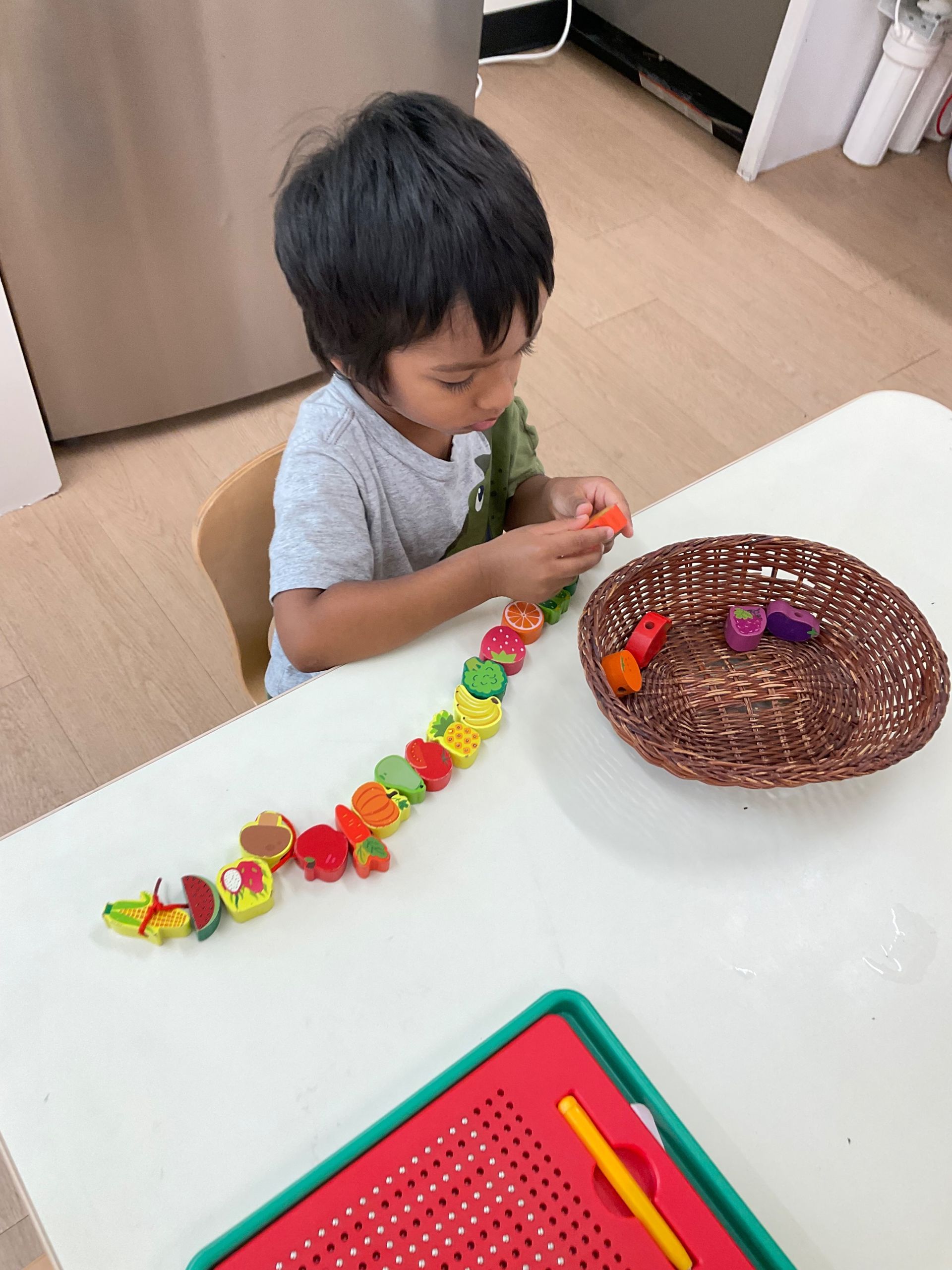
Mutual Respect & Making Deposits

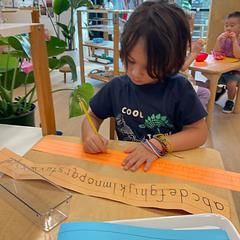
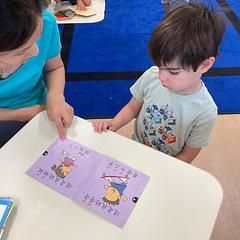
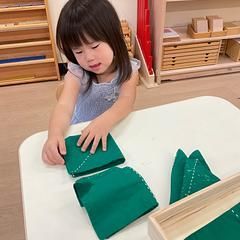
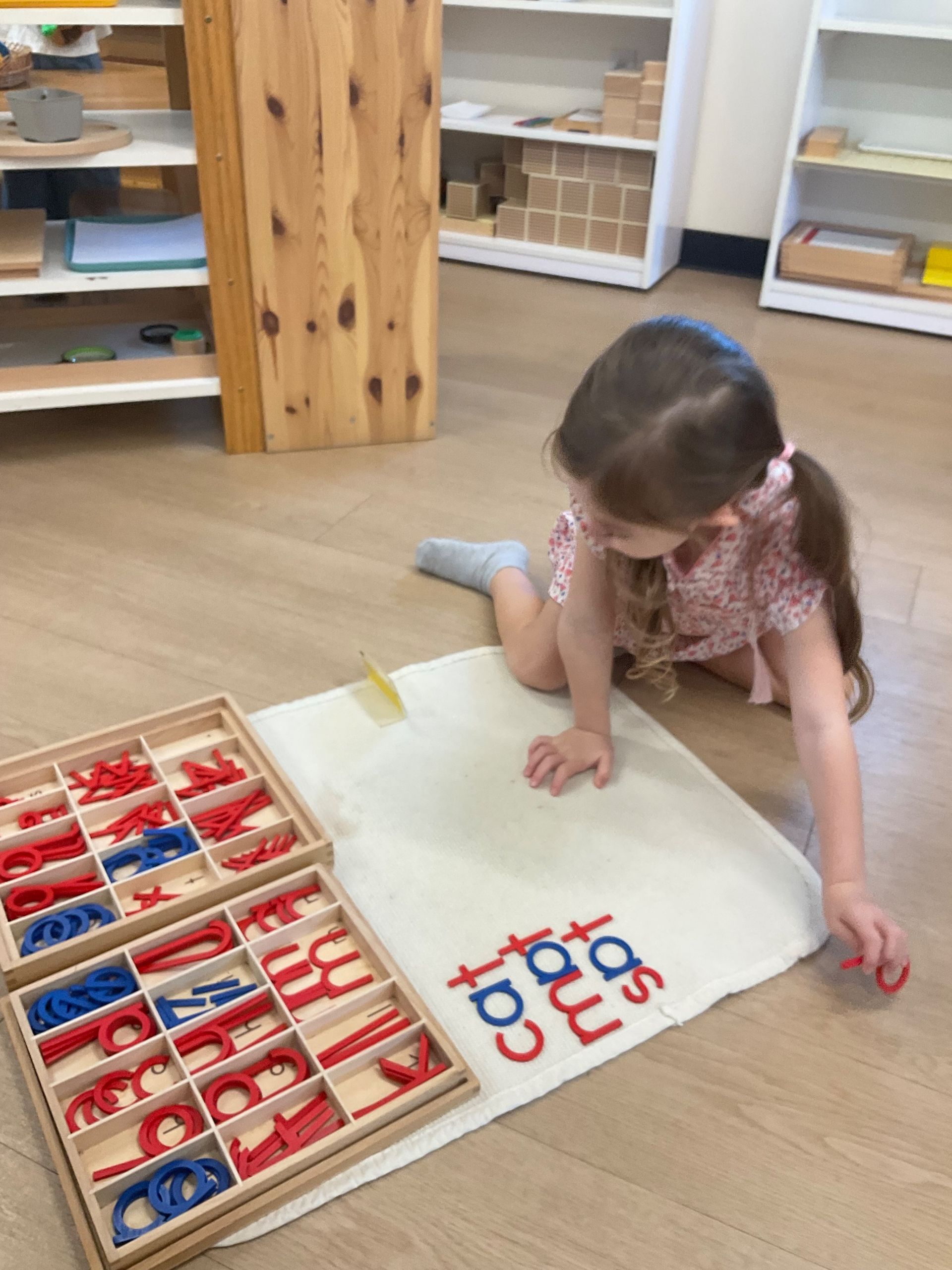
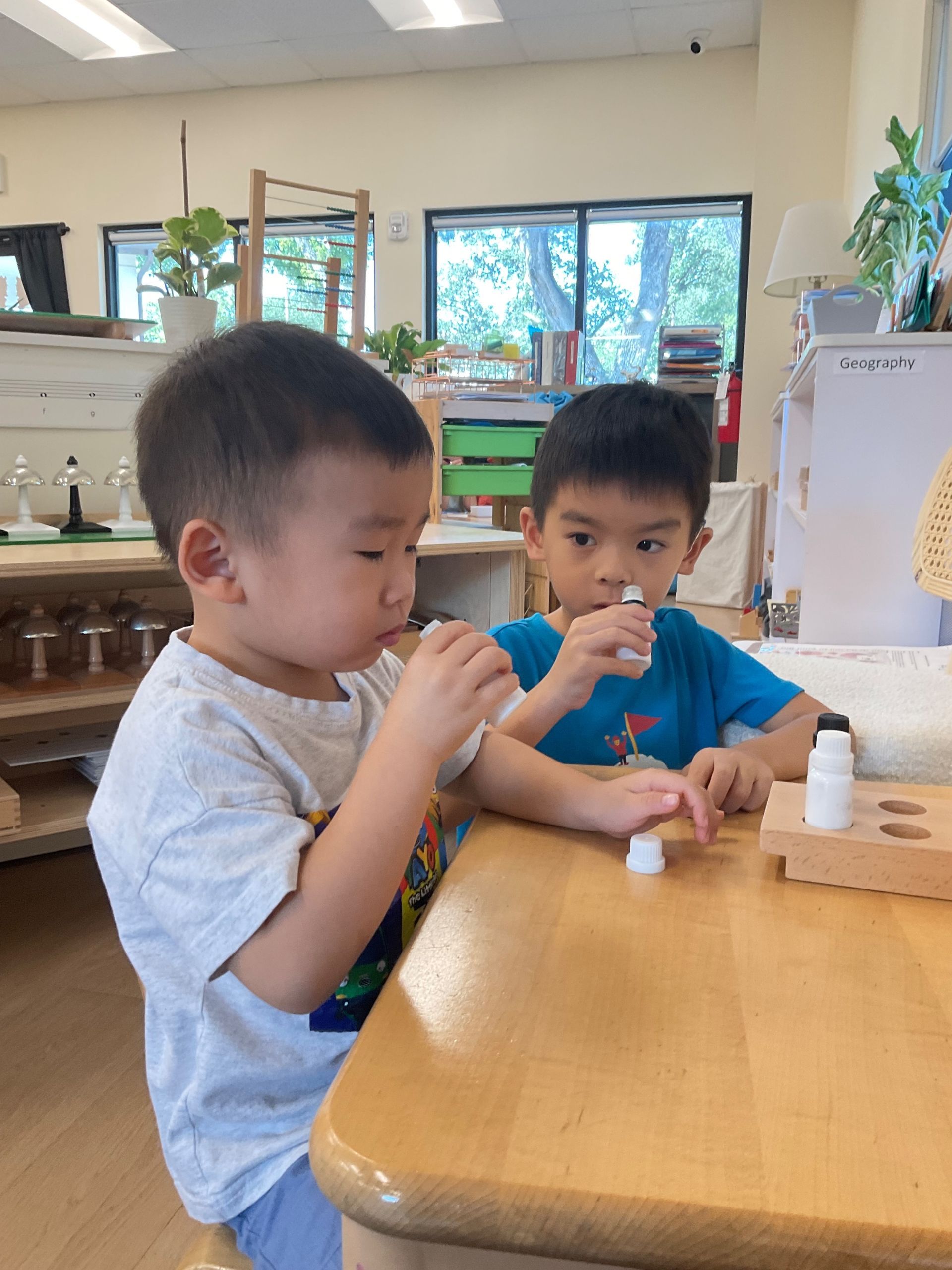
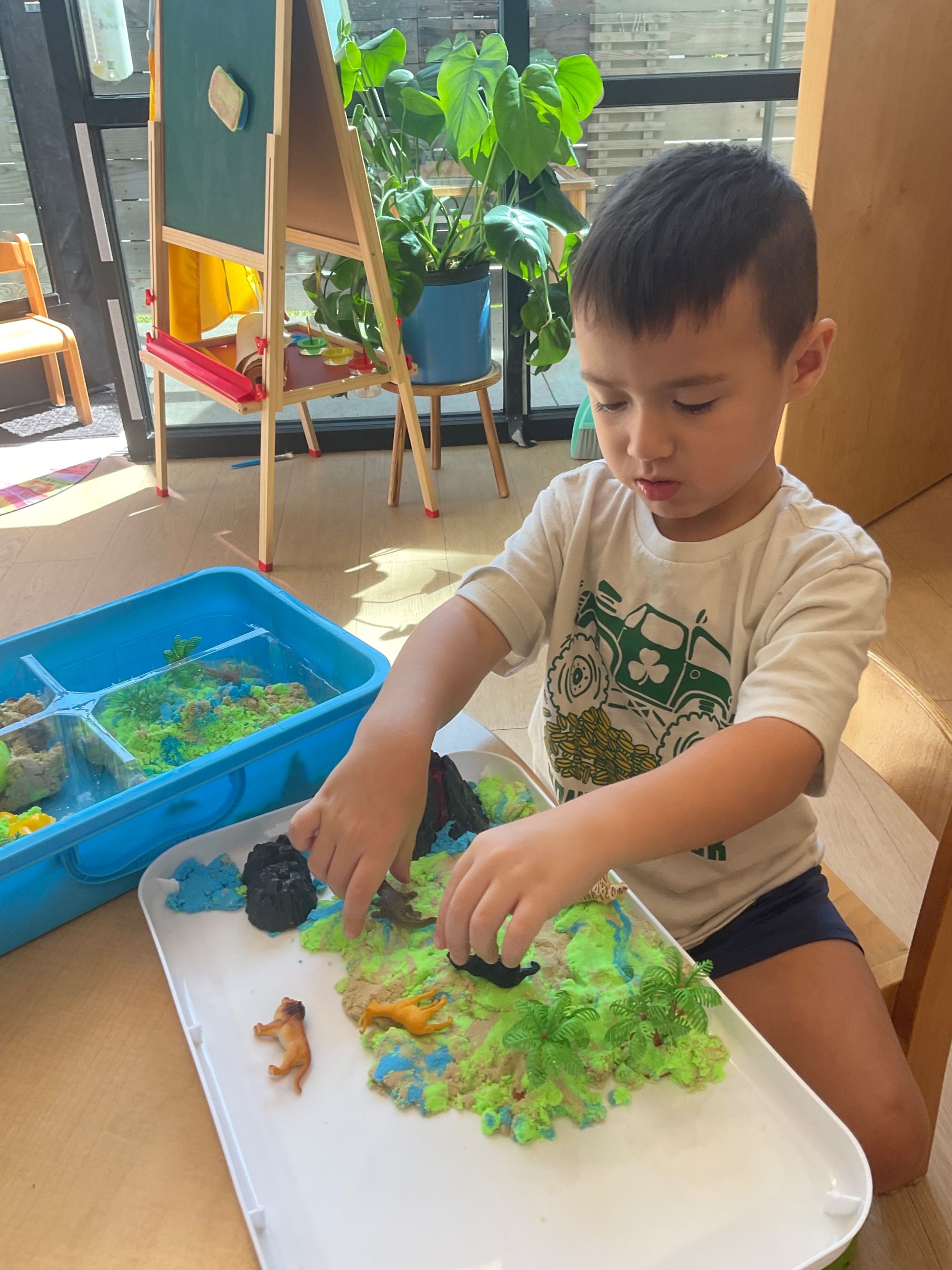
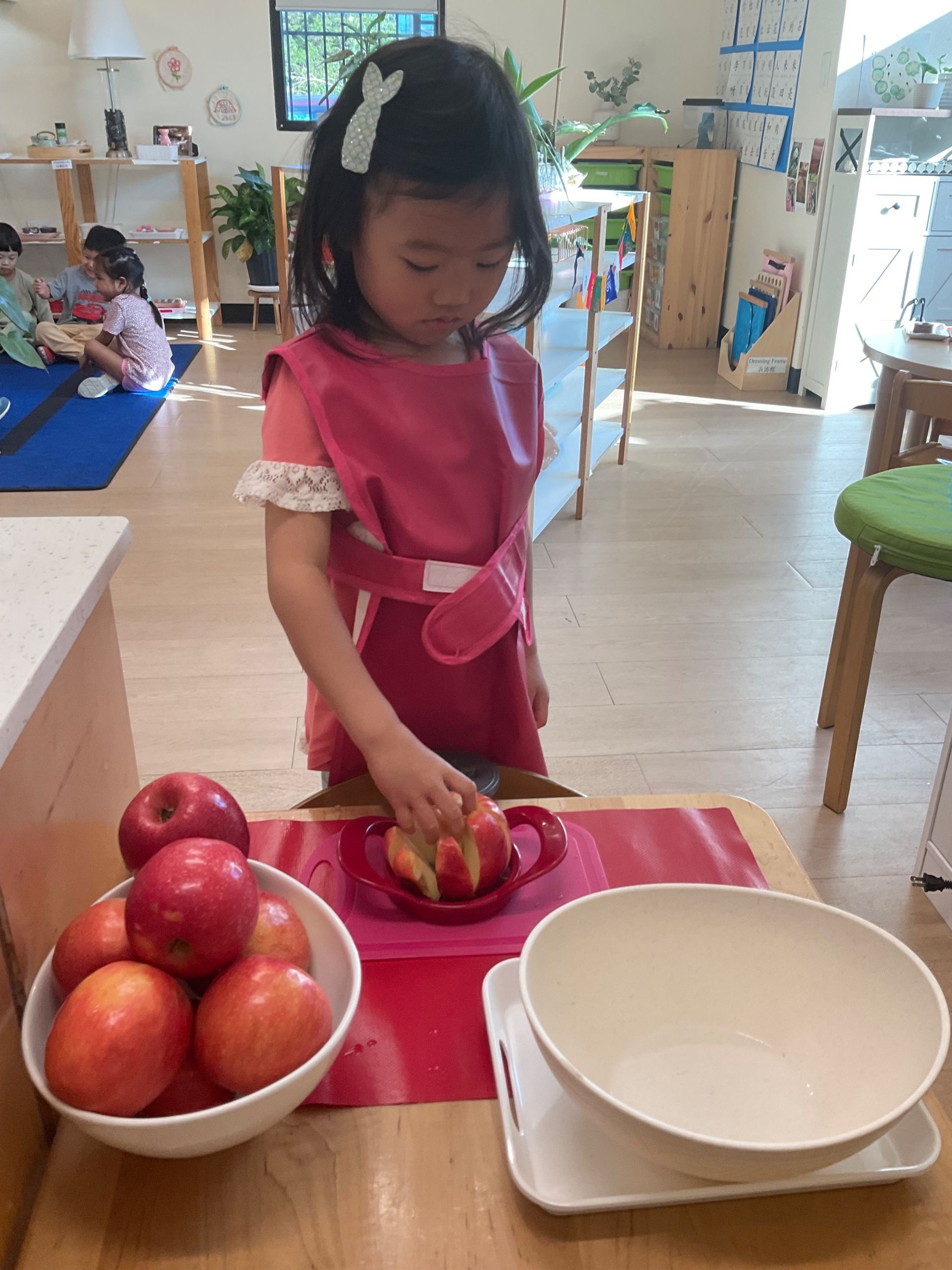
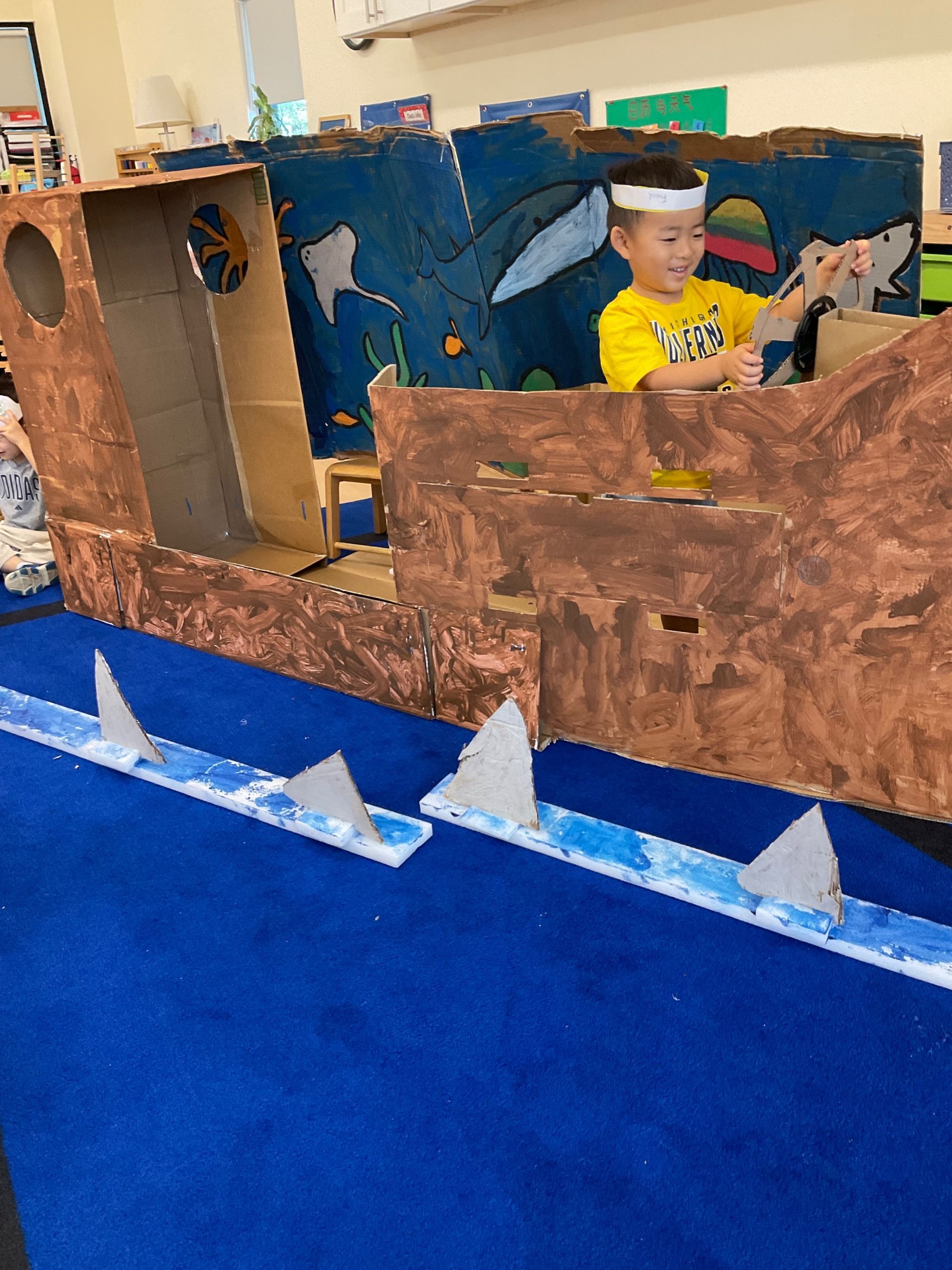
Montessori classrooms depend upon a web of mutual respect. This culture of respect is established from the very beginning: from how the classroom is arranged and sized for the children, to how we greet each other at the start of the day, to how the adults refrain from interrupting children’s concentration. Dr. Maria Montessori emphasized that, as adults, we must have the utmost respect for children, because they are in the process of constructing themselves and are the hope for the future of humankind.
Mutual respect does require maintenance, though. As Montessorians, we are always tending to the emotional environment of the community. One way we do this is by continual practice of different ways we can show grace and courtesy toward each other and our surroundings. We do know, however, that situations arise when tensions start to run high, misunderstandings proliferate, and irritation takes over. We are all human, after all.
Because it’s helpful to have some support when things start to fray, we thought we’d share a strategy that can be helpful when frustrations, fallings-out, or rifts are on the rise.
First, imagine a scenario in which there is a small slight. A look from across the room. A forgotten request. Not listening to what is being said.
Usually, this isn’t such a big deal. However, if we are feeling particularly annoyed or frustrated by something that happened previously, we might mutter about how we can’t believe so and so did that again, how could they look at us like that, how they never pay attention, and on and on.
Our response tells a lot about how we are feeling about the other person involved.
If we find ourselves in a situation where a progression of misunderstandings and misinterpretations is causing a rupture, it can be a good time to pause and consider the concept of an emotional or relationship bank account.
Dr. Stephen R. Covey explores the idea of an emotional bank account in his book, The Seven Habits of Highly Effective Families, and Sean Covey introduces the relationship bank account in his book, The Seven Habits of Highly Effective Teens. The essence of this “bank account” is that we have different connections with the people in our lives, and between each of us we have an unseen measure of how we are connecting. We can visualize that measure as a bank account. Just like with a bank account, we can make deposits or withdrawals.
When we greet a co-worker in the morning with a smile and a compliment, we are making a deposit. Over time, with lots of deposits, a large cushion of goodwill is created in our relationship bank account. When a large cushion is there, our co-worker is likely to be understanding when one morning we scowl and barely mumble, “morning.” They might wonder if we are okay and want to do something to help us feel better.
But let’s imagine that instead of making regular deposits into our relationship bank account, we have either not taken the time for a kind greeting, or perhaps have been complaining about something they’ve done. These little acts end up draining our relationship bank account, like multiple small withdrawals, until there is little to no cushion of goodwill between us. If that’s the case, when we scowl and mumble, “morning,” the other person might react with anger and frustration, fed up with our attitude and ready to retaliate.
In simple terms, our relationship or emotional back account is like a cup that gets filled or emptied.
When exploring this idea with young children, it can be helpful to draw or get a real cup, fill it up while imagining different acts of goodwill, then empty it while exploring little thoughtless or unkind acts. Children love to brainstorm different ways to fill the cup, perhaps even creating a poster or drawing together to have a visual reminder.
Older children are often intrigued by the connection to a financial bank account. Even the logical exploration of deposits and withdraws can help older children shift out of the emotional centers of their brains, which then allows them to approach a potentially tense situation with more calm and clarity.
If your children would benefit from a graphic image of making deposits or filling a cup, or what it looks like when lots of withdraws mean we don’t have a buffer of goodwill, feel free to download this image of a graduated cylinder to use to show filling or emptying our emotional bank account. Sometimes having a visual really helps solidify the concept for children.
Really, though, we can use this strategy in all of our relationships. When we can think about the little acts of kindness, honesty, patience, and unconditional love and acceptance as being ways to build up our relationship bank accounts, we can more easily shift gears in how we relate.
Ultimately, this practice can allow us to become more mindful of the actions between us. We can look across the room with warmth. We can acknowledge a mistake and work to make amends. We can listen with acceptance.
When we make deposits, we connect and cultivate goodwill. These deposits happen on a regular basis in Montessori classrooms. We invite you to come to visit our school to experience this mutual respect for yourself!