Our Montessori Bookshelf: Captivating Chemistry
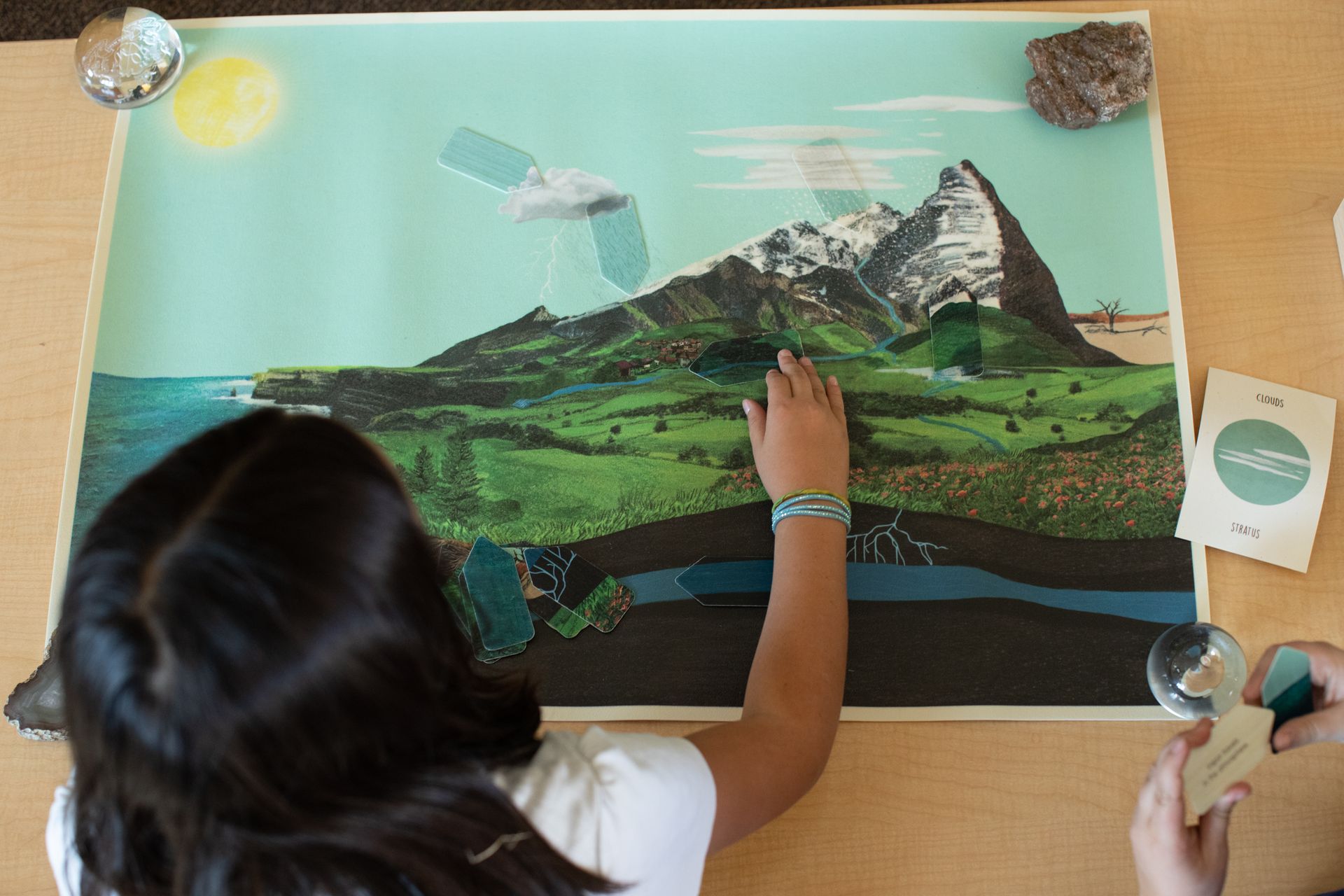
In Montessori classrooms, elementary students are able to study every fascinating thing under the sun (and beyond!). Montessori children are exploring the world, not the inside of a textbook.
That being said, there is structure to the Montessori learning environments as we provide the room for young people to explore threads and interconnections as they consume everything they can about the universe. In this quest to understand the physical world (past and present), children find themselves in the realms of astronomy, physics, meteorology, geology, and chemistry.
We thought we’d share some of our favorite books that support children’s fascination with the chemical world. While most of these books are most appropriate for elementary ages and up, younger children might also enjoy a few of them.
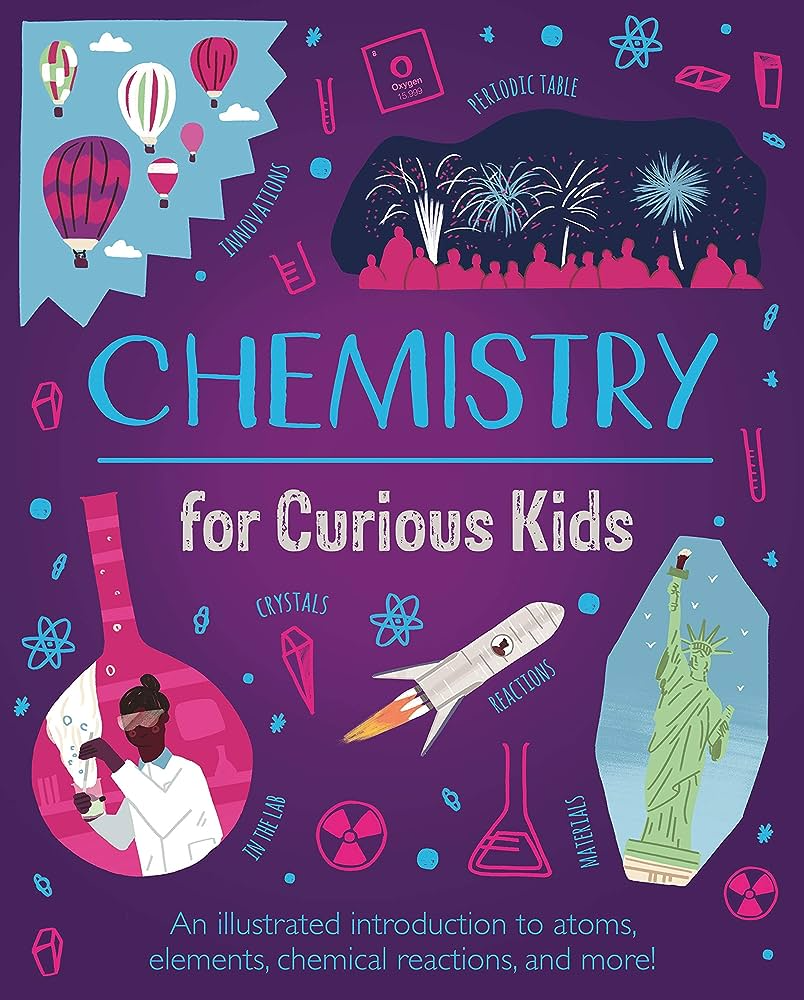
By Lynn Huggins-Cooper, Illustrated by Alex Foster
This is a helpful reference book for children who are just starting their foray into chemistry, as well as those who are further along in their understanding. Although the book is organized into chapters–States of Matter, Chemical Building Blocks, The Chemistry of Life, the Periodic Table, In the Lab, and Chemicals All Around Us–it’s quite easy to flip to different pages and peruse what draws your interest. The pages are chock-full of beautiful, colorful illustrations that draw attention to key concepts and the easy-to-access texts makes even dense information understandable.
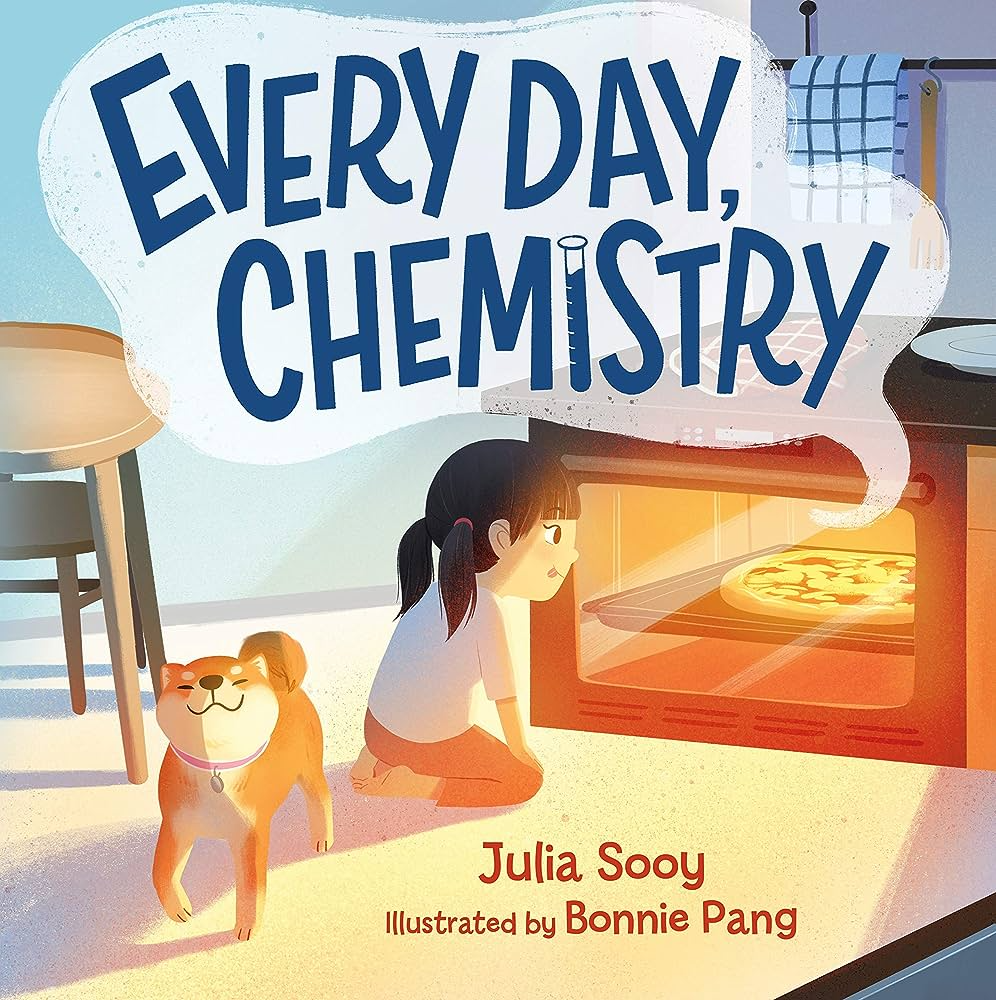
By Julia Sooy, Illustrated by Bonnie Pang
This picture book takes us on a little journey through a child’s day and how chemistry is part of just about everything we do. Younger children will enjoy this book’s engaging illustrations, while also taking in foundational information that will inform their elementary years. Older children can benefit from the big picture context of how chemistry doesn’t just happen in a laboratory, and is rather an essential aspect of life. The last few pages of the book provide some easy to access explanations about the difference between chemical reactions and physical changes.
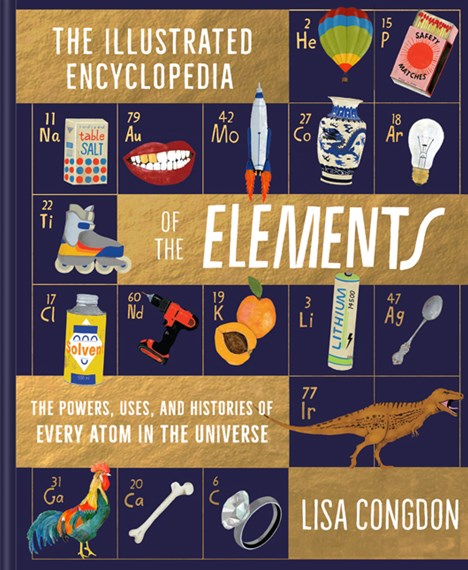
By Lisa Congdon
After some introductory pages, this book dives into a visually appealing investigation into each element on the periodic table. The simple yet powerful illustrations accompany fascinating descriptions for hydrogen through fermium. Accentuated with little standout tidbits–like the element category, year discovered, who discovered by, and fun facts–the information is clear and easy-to-read and includes amazing historical details. Young researchers will love this book!
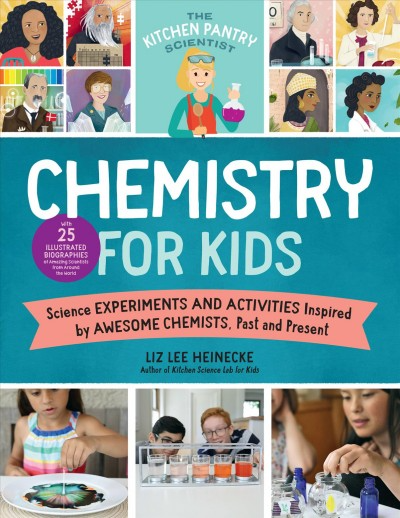
By Liz Lee Heinecke
More than just a random collection of science experiments, this book offers a thoughtful expedition through time, highlighting 25 chemists from ancient history through today. Moving in historical order, each overview of a chemist is accompanied by a lush illustration and fascinating facts, as well as a step-by-step way to have a hands-on experience with the concept or their work. This book is a must have for kids who both love history and science!
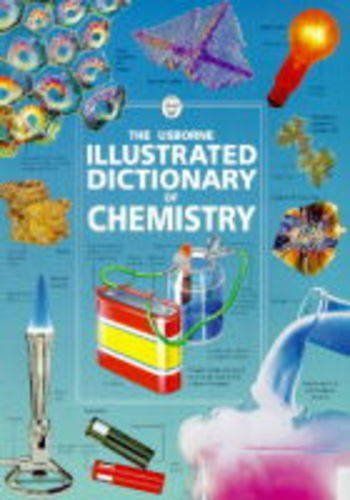
The Usborne Illustrated Dictionary of Chemistry
By Jane Wertheim
This reference book is jam-packed with information and illustrations. For those who want to keep digging into the details, the bottom of each page references which pages to go to for more details about a term or concept. This higher-level reference book will definitely appeal to visual learners and provides excellent review or jumping off points for further research.
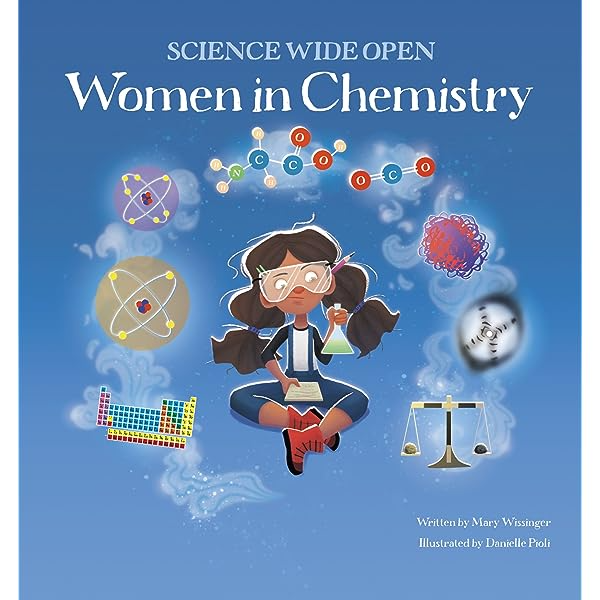
By Mary Wissinger, Illustrated by Danielle Pioli
We want our children to ask questions about this world, and this book encourages just that! A girl’s question, “What is the world made of?” takes us along a path of inquiry that artfully weaves in women’s contributions to chemistry, foundational information about matter to ribosomes, and ultimately the power of curiosity. This book not only serves as an excellent introduction to chemistry, but also way to center female scientists!
You can click here to download a printable booklist. If you explore any of these books with your children, let us know what you think! We also invite you to schedule a tour to see how children at our school learn about advanced concepts in a way that appeals to their interests and curiosity.