The Adult as a Guide: Shifting from Instructor to Facilitator
As adults, we naturally step into defined roles around children. We are parents, relatives, coaches, and mentors. Inherited societal expectations often carry an unspoken rule: the adult is the expert who holds the answers, and the child's job is to sit back and receive instruction.
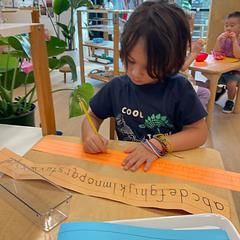
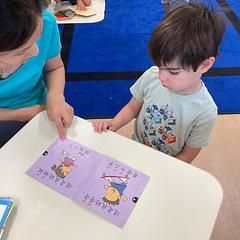
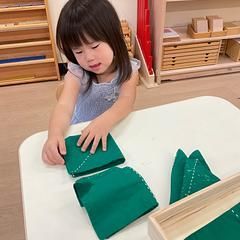
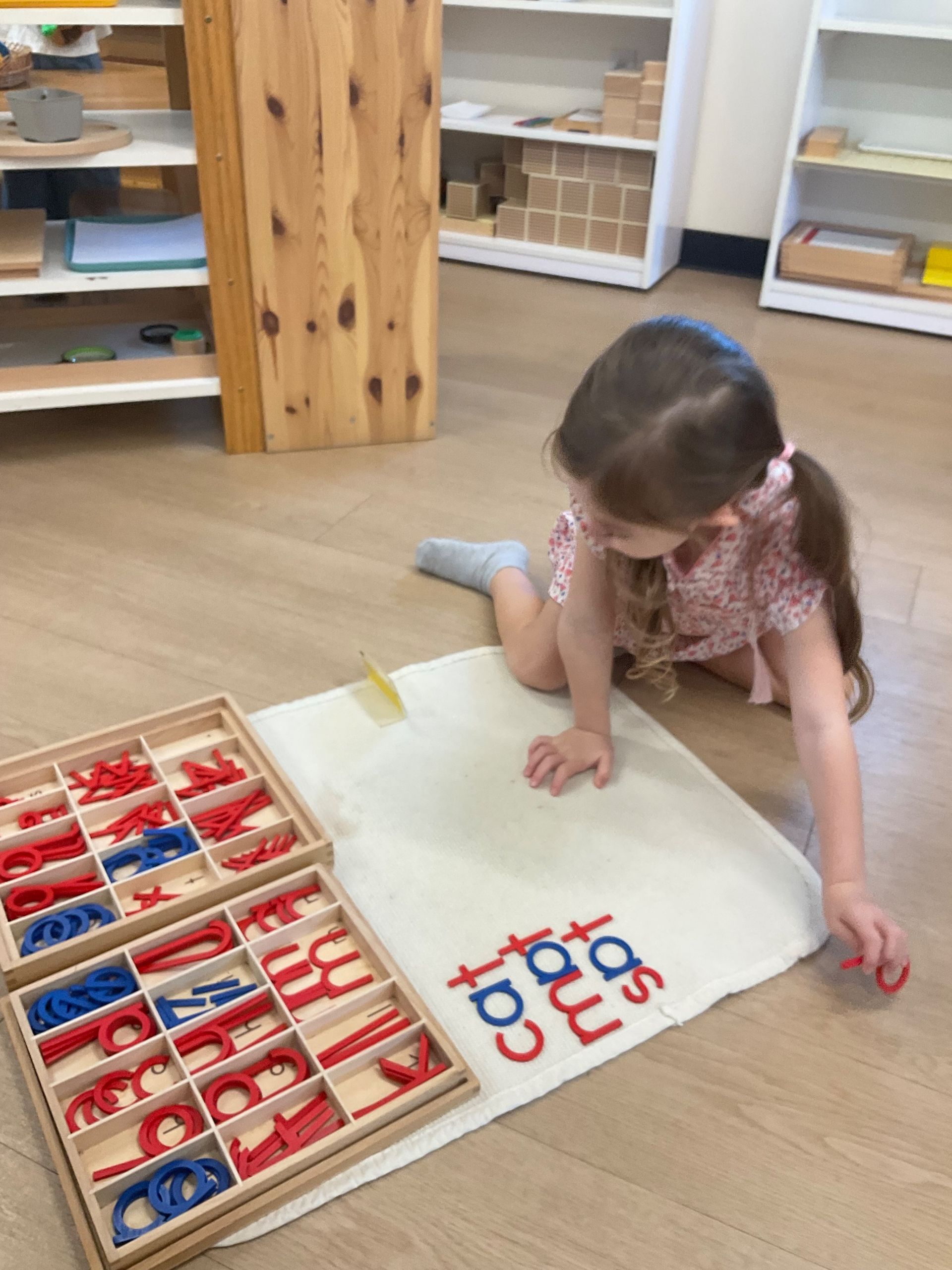
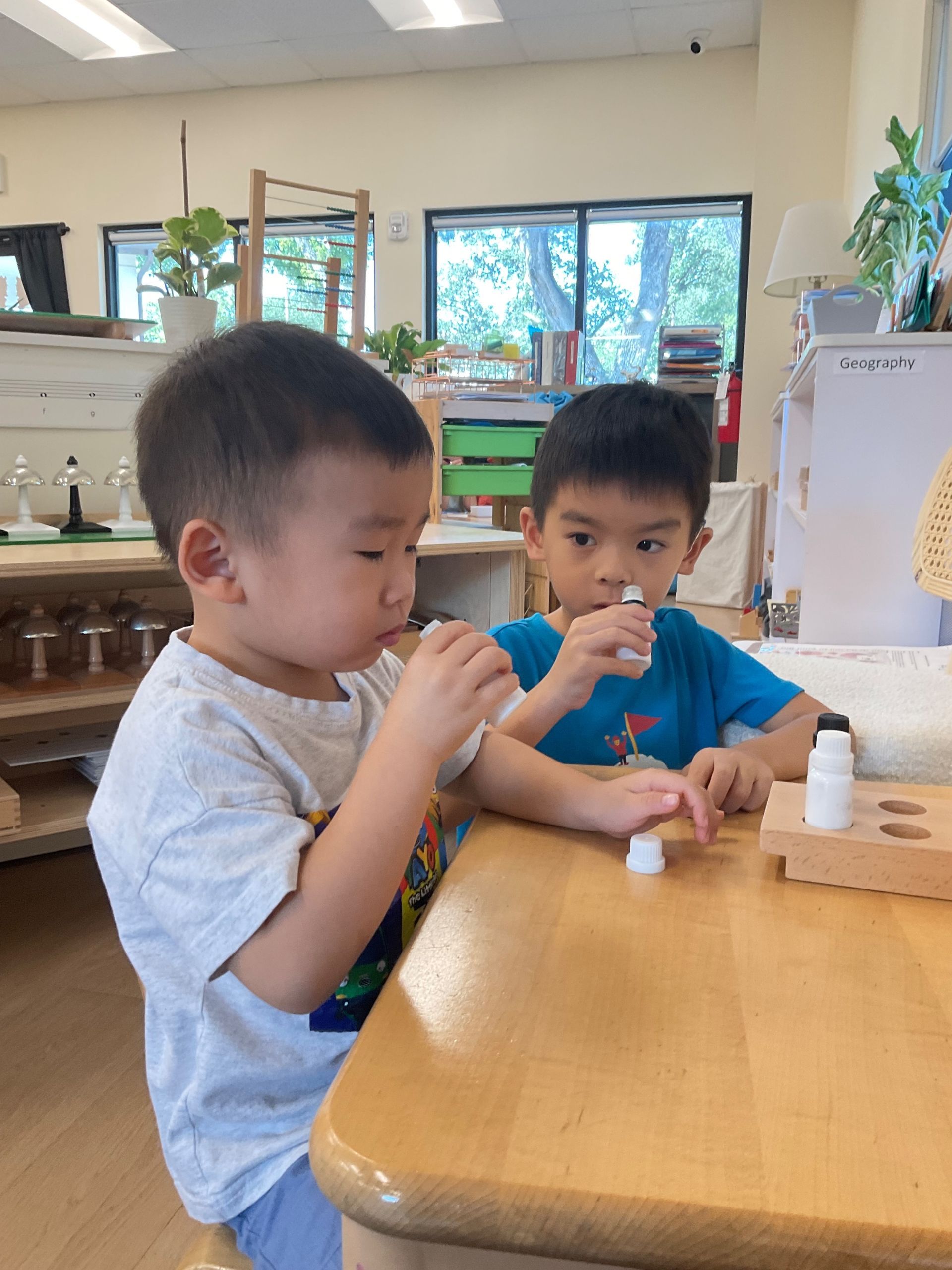
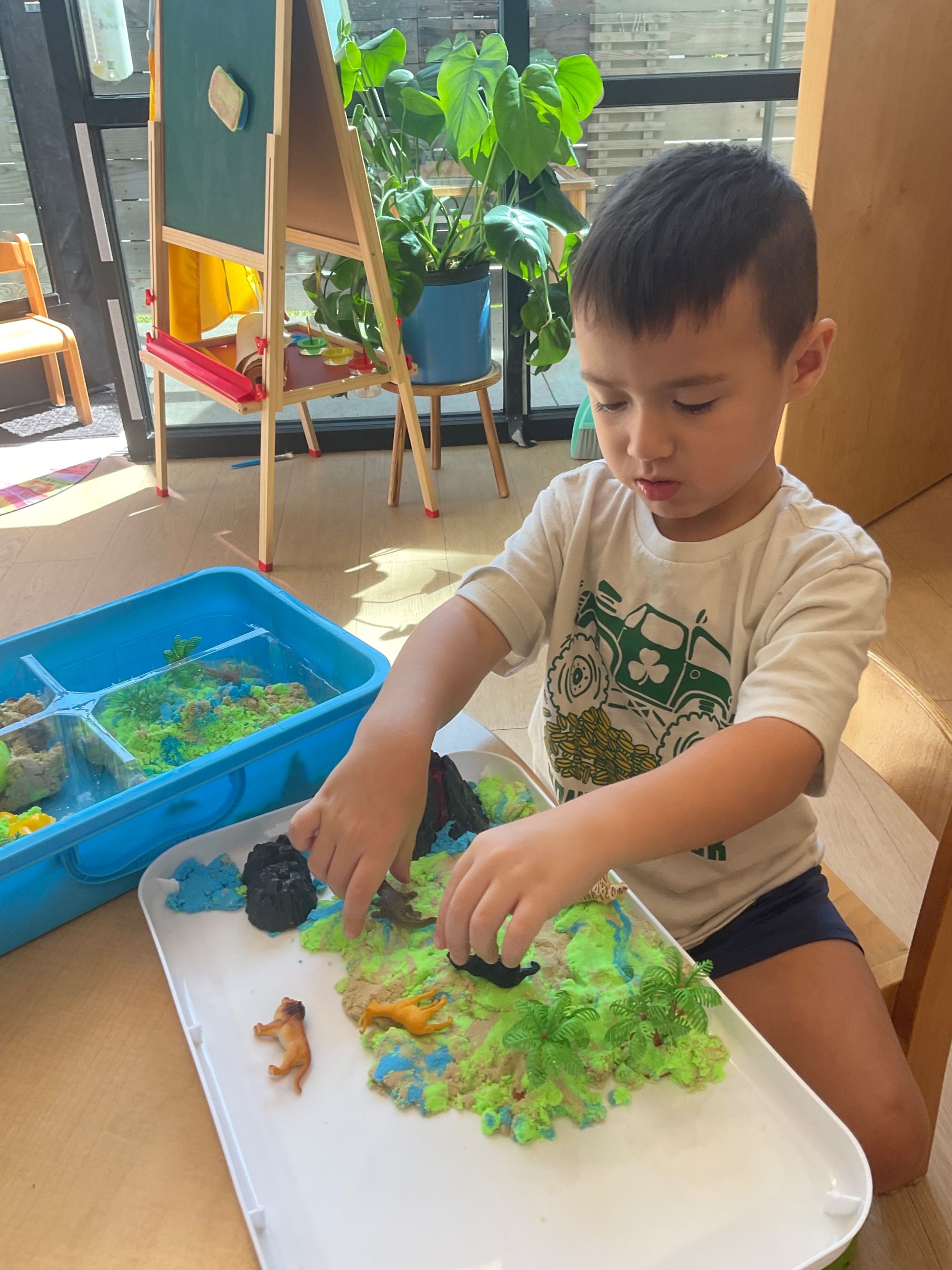
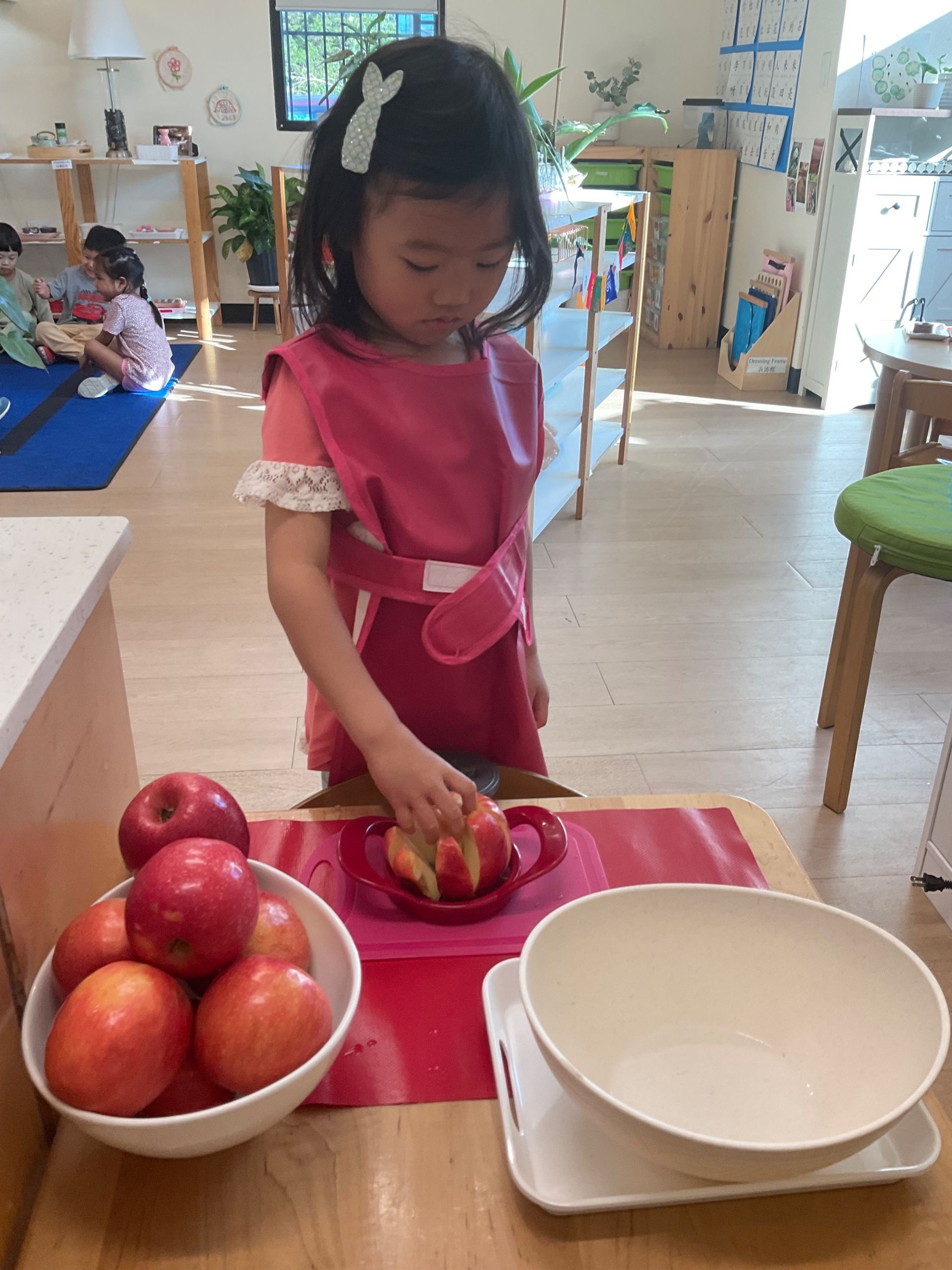
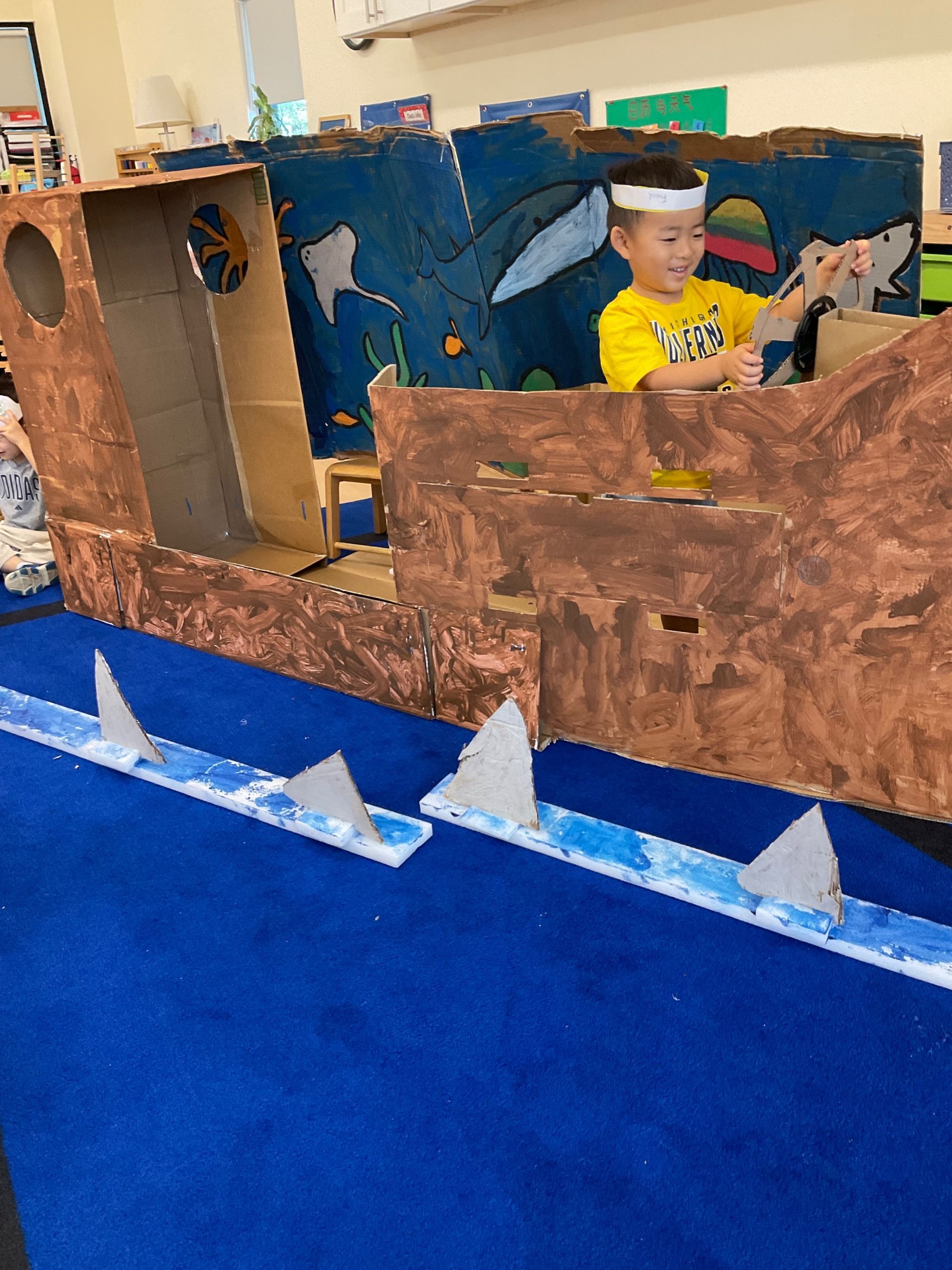
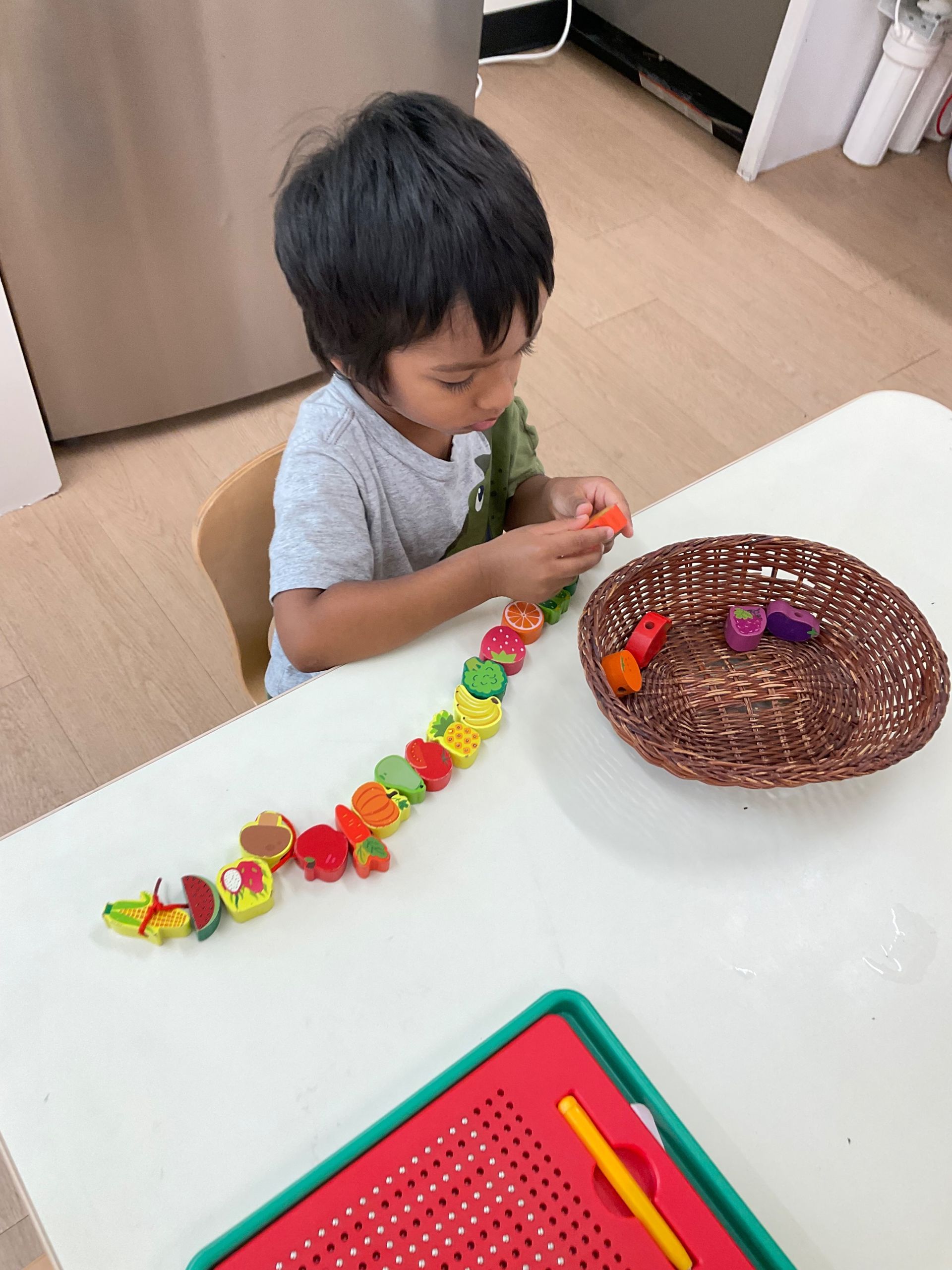
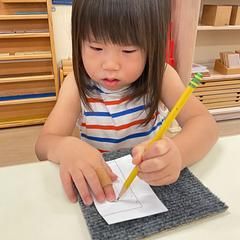
In a Montessori environment, however, the role of the adult is far more nuanced. Rather than acting as the central source of information, we serve as guides. We observe, facilitate, model, and prepare the environment—allowing the world itself to become the teacher while supporting the child's natural journey of self-discovery.
Guide Growth with "Curiosity Questions"
In Positive Discipline—an approach we deeply integrate at LakeCreek Montessori—adults support problem-solving and emotional regulation by asking genuine curiosity questions rather than issuing directives or lecturing.
The key is not to follow a rigid script, but to cultivate genuine interest in the child's internal perspective. Consider asking open-ended prompts such as:
- "How did you feel about what happened?"
- "What were you hoping to accomplish?"
- "What did you notice during that process?"
- "What ideas do you have for solving this next time?"
A Helpful Tip: Try to avoid asking "Why?" directly. "Why did you do that?" often sounds accusatory to a young child, immediately triggering defensiveness or a shut-down response.
When a child is struggling or lashing out, shifting from frustration to curiosity helps us reframe their behavior. Instead of reacting, we can wonder what underlying need is unmet. Approaching a child with simple, wholehearted empathy—such as asking, "What can I do to help you have a better day right now?"—can instantly restore connection.
Shift to Support: Supporting Self-Directed Discovery
When adults step back from being the "expert at the front of the room," children are empowered to make connections on their own—leading to deeper, long-lasting comprehension.
This shift is central to how our guides work with children across our environments every day.
For instance, an Elementary student exploring language and science might suddenly connect two concepts independently:
"Look!" she exclaims, pointing at the periodic table. "Gold has the symbol Au because the Latin name for gold is aurum! Au stands for aurum!"
Because she uncovered this etymological connection through her own investigation, the knowledge is invigorating and memorable in a way that a passive lecture could never replicate.
Honor the Natural Process of Learning
In his classic book How Children Learn, educator John Holt eloquently captures the innate drive every child possesses:
"The child is curious. He wants to make sense of things, find out how things work, gain competence and control over himself and his environment... He does not merely observe the world around him... To find out how reality works, he works on it. He is bold. He is not afraid of making mistakes. And he is patient. He can tolerate an extraordinary amount of uncertainty, confusion, ignorance, and suspense."
Children naturally want to understand themselves and their world. As adults, our highest calling is to serve as thoughtful guides on that journey—enticing curiosity, sparking inspiration, and revealing possible paths forward without taking over the driver's seat.
In our Montessori classrooms at LakeCreek, we honor the process of experimenting, observing, making mistakes, and self-correcting. When adults act as guides rather than gatekeepers of knowledge, children develop authentic confidence, deep independence, and an unshakeable love for learning.
Curious to see how the role of the adult shifts inside a Montessori classroom?
Schedule a tour at LakeCreek Montessori School to observe our prepared environments and guides in action.